The Kabul Tribune (KT) — Afghans living in the United Kingdom without permanent residency are facing increasing insecurity and hardship as the government tightens immigration policies, according to a report by the Afghanistan Analysts Network.
The report says Afghans granted refugee status in recent years may now wait significantly longer to obtain permanent residency under reforms proposed in November 2025, aimed at deterring asylum seekers. Previously, refugees could apply for settled status after five years, but new measures could extend this period to up to 20 years.
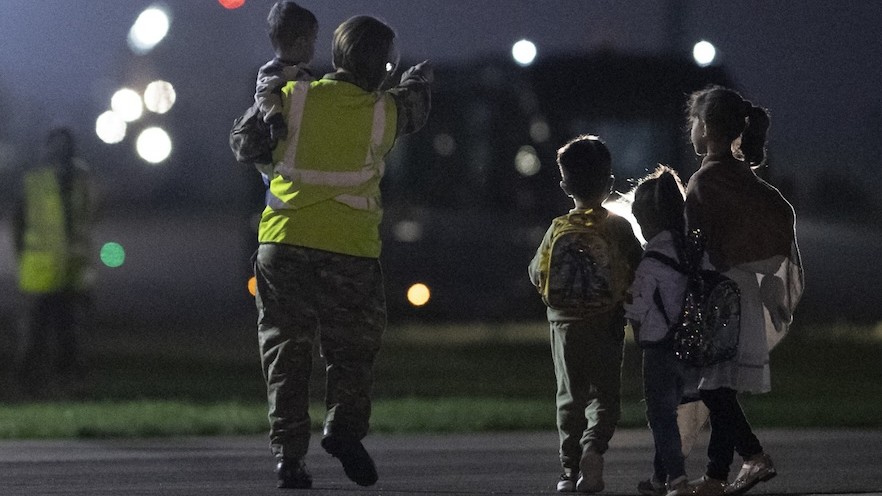
Between 2021 and 2025, nearly 38,000 Afghans were resettled in the UK through special humanitarian programs following the collapse of the former Afghan government. These programs, including relocation schemes for those who worked with British forces and vulnerable groups, were closed in 2025, leaving asylum as the primary route for entry.
The report highlights a sharp decline in asylum approval rates for Afghans, falling from about 98% in 2022 to 34% by 2025, as authorities introduced stricter eligibility criteria and shifted to case-by-case assessments. Many rejected applicants are not deported but remain in legal limbo, without the right to work.
Afghans seeking asylum often undertake dangerous journeys to reach the UK, frequently traveling through multiple countries and crossing the English Channel in small boats. These risks have resulted in fatalities, while survivors face long waiting periods in temporary accommodations, including hotels, where they are typically not allowed to work during the first year.
The report also notes new restrictions introduced in 2026, including the suspension of student and skilled worker visas for Afghans, further limiting legal pathways to enter or remain in the UK.
In addition, proposed changes could restrict family reunification and impose stricter income and language requirements, making it more difficult for refugees to bring relatives to the country.
Interviews conducted for the report reveal widespread frustration among Afghans over limited access to employment, education, and legal support, as well as concerns about rising anti-immigrant sentiment.
While some Afghans have successfully integrated, many continue to face significant challenges, with uncertainty over their legal status, prolonged separation from family members, and concerns about their future in the UK.