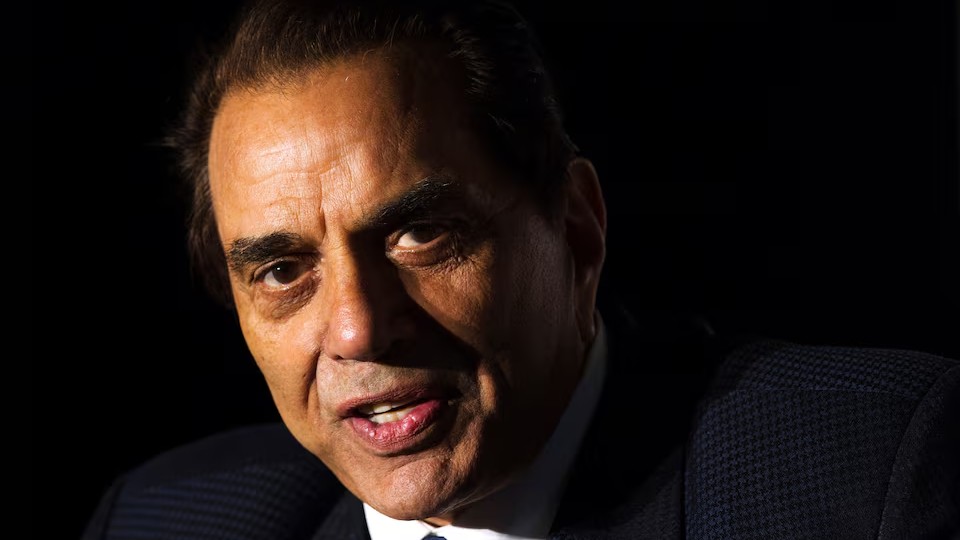
The Kabul Tribune (KT) — Georgette Gagnon told the UN Security Council that Afghanistan is at risk of a “lost generation of talent and potential” as humanitarian, economic and social challenges deepen.
Gagnon, who is currently leading the United Nations
Assistance Mission in Afghanistan, said during recent visits across the
country, communities consistently reported worsening hardship.
She noted that Taliban authorities have consolidated
territorial and administrative control and face “no meaningful armed or
political challenge,” but warned that this apparent stability conceals deeper
risks.
“What exists is increasing control by the de facto
authorities without a clear end-state,” she said.
Gagnon highlighted mounting demographic and economic
pressures, noting that nearly 5.9 million Afghans have returned since 2023,
with up to 2.8 million more expected this year despite limited opportunities
and strained communities.
She added that Afghanistan remains one of the world’s
largest humanitarian crises, with 21.9 million people requiring assistance in
2026.
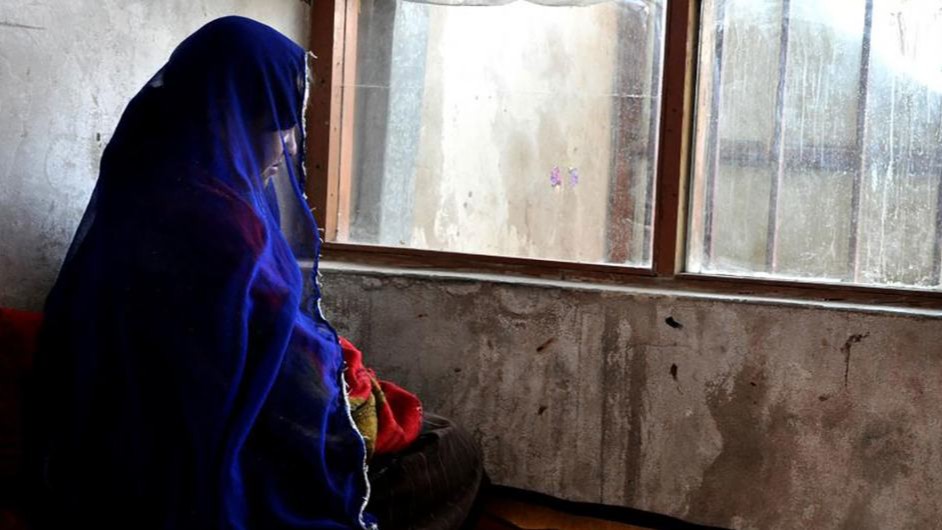
Gagnon warned of “severe and growing restrictions” on women
and girls, saying an estimated 3.8 million girls aged seven to 18 are out of
school.
“Each year, approximately 250,000 more girls are permanently
excluded from secondary education pathways, creating a lost generation of
talent and potential,” she said.
She noted that restrictions have damaged Afghanistan’s
economy and weakened key sectors such as health and education, and reiterated
calls for authorities to reverse measures affecting women, including barring
Afghan female UN staff from workplaces.
Edem Wosornu of the UN Office for the Coordination of
Humanitarian Affairs said humanitarian conditions continue to deteriorate due
to conflict, hunger, climate shocks and underfunding.
“Nearly half the country needs help,” she said, describing
Afghanistan as one of the world’s most complex humanitarian crises.
Wosornu reported that renewed fighting along the
Afghanistan–Pakistan border earlier this year displaced more than 100,000
people, cutting vulnerable communities off from aid for weeks.
She added that hunger is worsening, with 4.7 million people
facing severe food insecurity — a 50% increase compared to last year — while
3.7 million children suffer from acute malnutrition.
Metra Mehran, a civil society representative, described what
she called a system of institutionalized gender oppression in Afghanistan.
She said that since August 2021, the Taliban have issued
more than 230 decrees restricting women’s rights, including access to
education, employment, movement and public participation.
“The Taliban have even criminalized women’s voices and
faces,” she said.
Mehran warned that new legal frameworks further entrench
discrimination and expose women to violence, adding that those who resist
restrictions face arrest and intimidation.
She urged the international community to act, saying the
situation is a test of global commitment to human rights and multilateralism.
Gagnon emphasized that continued engagement with Afghanistan
remains necessary despite limited progress.
“Ongoing and constant dialogue is essential, together with
principled and pragmatic engagement,” she said, noting that progress may be
gradual.