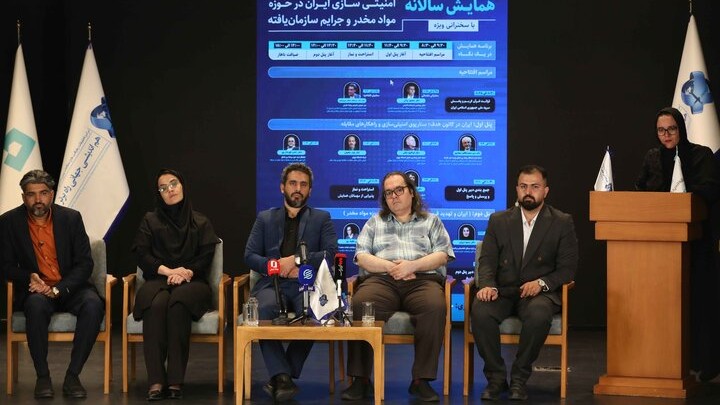
The Kabul Tribune (KT) — Iranian state-affiliated Mehr News reported that participants at the Second Annual Conference on Securitization of Iran in the Field of Narcotics and Organized Crime, held in Tehran in July 2026, argued that efforts to improve Afghanistan’s international image have coincided with what they described as increasing international pressure on Iran over drug trafficking and organized crime.
According to the report, senior Iranian analysts and
strategic experts claimed that the sharp decline in opium poppy cultivation in
Afghanistan following the Taliban’s return to power has shifted international
attention toward Iran. They argued that this has resulted in new allegations
linking Iran and the so-called “Axis of Resistance” to narcotics-related
activities.
Mehr News said speakers at the conference alleged that
international organizations, particularly the United Nations Office on Drugs
and Crime (UNODC), have changed their assessment of Iran’s role in combating
drug trafficking. The participants claimed that reports increasingly portray
Iran as failing to adequately address organized crime and methamphetamine
trafficking, replacing what they described as earlier recognition of Iran’s
anti-narcotics efforts.
The conference also examined Afghanistan’s changing role in
the regional drug trade. According to the report, experts acknowledged that
opium poppy cultivation and opioid production in Afghanistan have declined
significantly since the Taliban banned poppy cultivation. However, they argued
that the reduction was aimed at improving the Taliban’s international standing
and advancing efforts toward greater international legitimacy and recognition.
Mehr News reported that conference participants also claimed
methamphetamine production in Afghanistan has increased despite the decline in
opium cultivation. They argued that the Taliban had either failed to
effectively combat the production of synthetic drugs or had not prioritized
doing so because of the economic value of the trade.
The report further said Iranian analysts alleged that
international narratives are increasingly shifting responsibility for regional
drug-related threats from Afghanistan to Iran. According to the conference
participants, accusations that methamphetamine production facilities are being
relocated from Afghanistan to areas near the Iranian border are part of what
they described as a broader political and media campaign against Tehran.
The conference concluded that developments in Afghanistan’s
narcotics sector have become part of a wider geopolitical and security issue
rather than solely a law enforcement matter. Participants called for stronger
diplomatic engagement, expanded international media outreach, and what they
described as evidence-based narratives to counter allegations against Iran.