The Kabul Tribune (KT) — Since the Taliban returned to power in Afghanistan in August 2021, women’s lives have come under unprecedented restrictions, affecting nearly every aspect of daily life, from education and employment to travel and health care.
What began with bans on girls’ education quickly expanded to restrictions on women’s work, movement, political participation, recreation, cultural activities and, increasingly, access to medical treatment. The Taliban justify these measures under what they describe as the implementation of “Islamic sharia.”
In southern provinces including Kandahar, Uruzgan, Zabul and Helmand, many women say they are no longer allowed to visit hospitals unless accompanied by a male guardian, or mahram, even in cases of serious illness.
Several families in these provinces told The Kabul Tribune that both public and private health facilities refuse to admit women without a male guardian under any circumstances.
In Kandahar, several women who attempted to visit government hospitals without a mahram shared their experiences with The Kabul Tribune. Lailuma, a 40-year-old woman, said she recently took her pregnant daughter-in-law to a health center in Kandahar city to check on her condition but was stopped at the hospital gate.
She said hospital guards told them no female patient would be allowed to enter without a male guardian.
“Because we did not have a mahram, we were forced to return home with my pregnant daughter-in-law,” she said.
Lailuma added that she pleaded with the guards, explaining that her son had gone out for daily labor and was unavailable. “They told us they had orders from the Taliban that no woman without a legal male guardian should be allowed inside,” she said. “They said the rules apply equally to everyone. We went back home, and only two days later, when my son stopped working, could we take her to the hospital.”
Health workers and officials at medical centers in Kandahar confirmed these accounts, saying the Taliban’s Ministry for the Propagation of Virtue and the Prevention of Vice has formally instructed all health facilities to deny entry to female patients who are not accompanied by a male guardian.
According to these sources, the directive is being strictly enforced across the province, and medical staff who fail to comply face punishment.
Similar complaints have emerged from neighboring Uruzgan province. Residents there say women’s rights to health care are being widely violated. Officials from the Afghan Health and Development Services (AHDS), an organization that supports most public hospitals in Uruzgan, said Taliban officials repeatedly remind medical teams each month not to admit women without a male guardian.
“Almost every day, hundreds of female patients are turned away from hospitals because they do not have a mahram,” one AHDS official said. “Across the province, we are instructed that women must not enter any hospital without a male guardian. Every day, dozens of patients are sent back despite coming for treatment.”
In Helmand province, women report similar restrictions. Zulaikha, a female patient, said she was denied treatment twice because she was unaccompanied.
“If a woman does not have a mahram, not only is she denied entry, but even emergency cases are rejected,” she said. “This is a humanitarian disaster. I was told I needed a brother or another male relative with me.”
A civil society activist in Zabul province, who asked not to be named for security reasons, urged the international community to pressure the Taliban to lift restrictions on women.
“Women have the right to medical treatment,” he said. “If a life can be saved, this right must be granted even without a male guardian.”
The Taliban have not commented on these specific allegations. However, they have repeatedly said they aim to enforce Islamic law in Afghanistan and that all their decisions are in line with their interpretation of sharia.
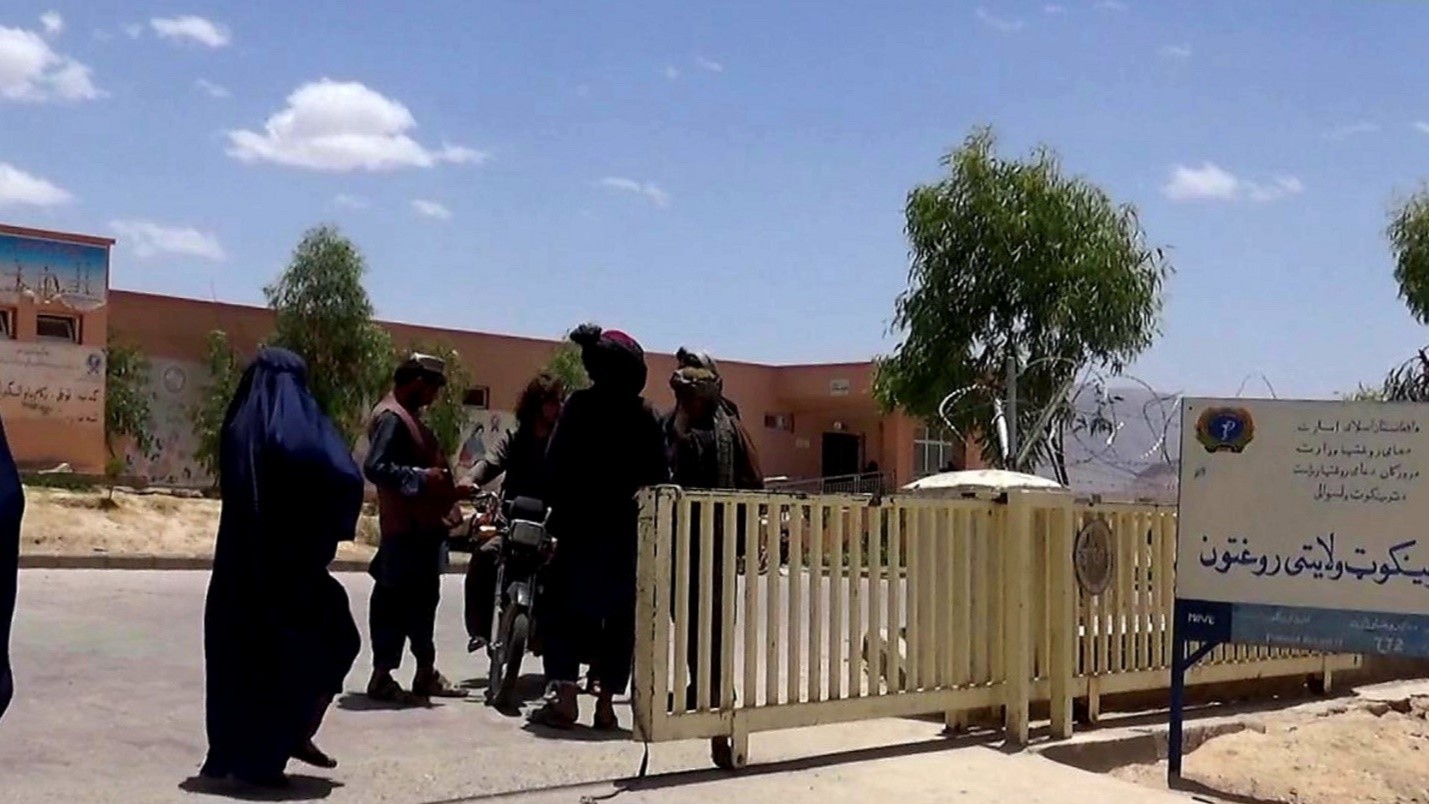
Women's Department of the Government Provincial Hospital in Uruzgan, Tarinkot
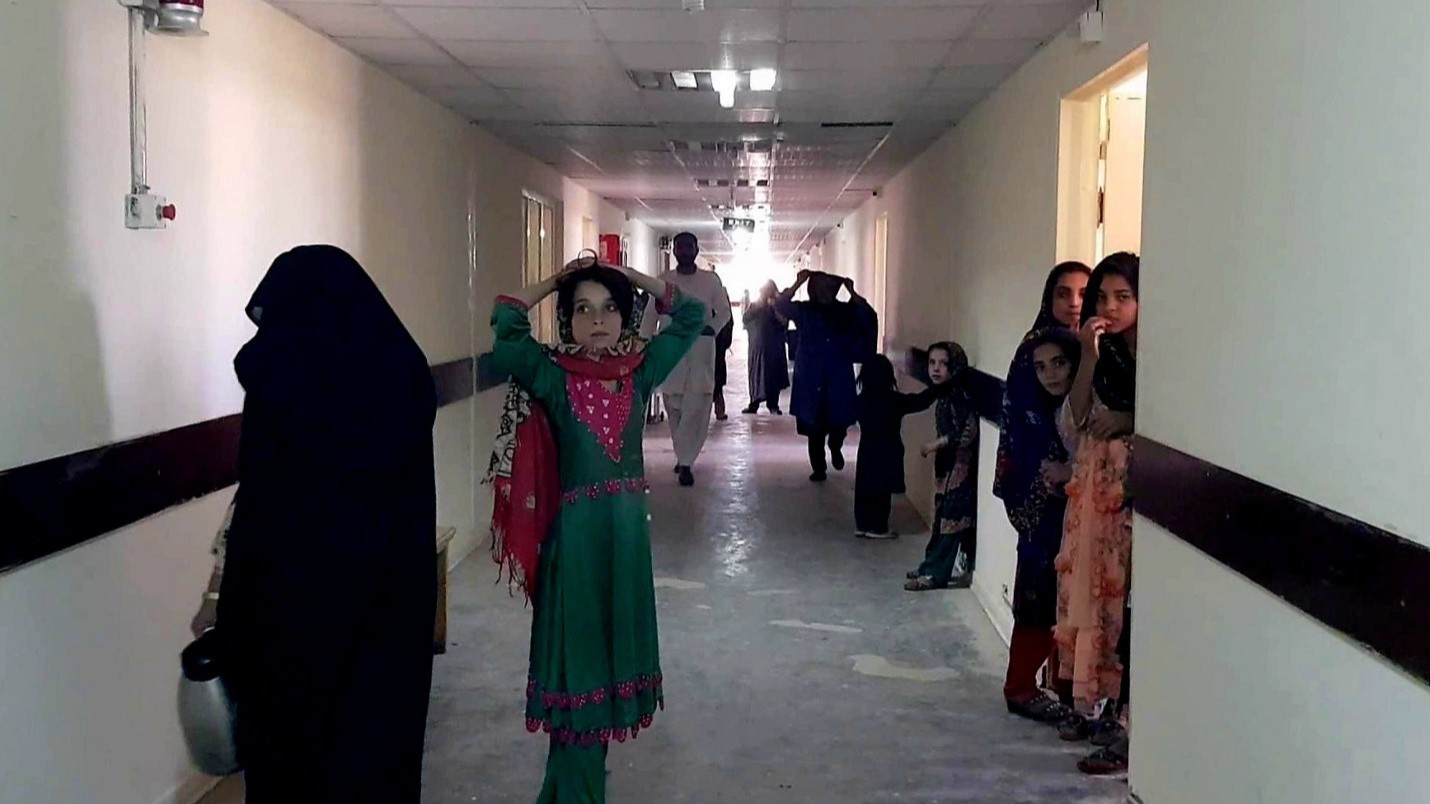
Women's Department of the Government Provincial Hospital in Uruzgan, Tarinkot
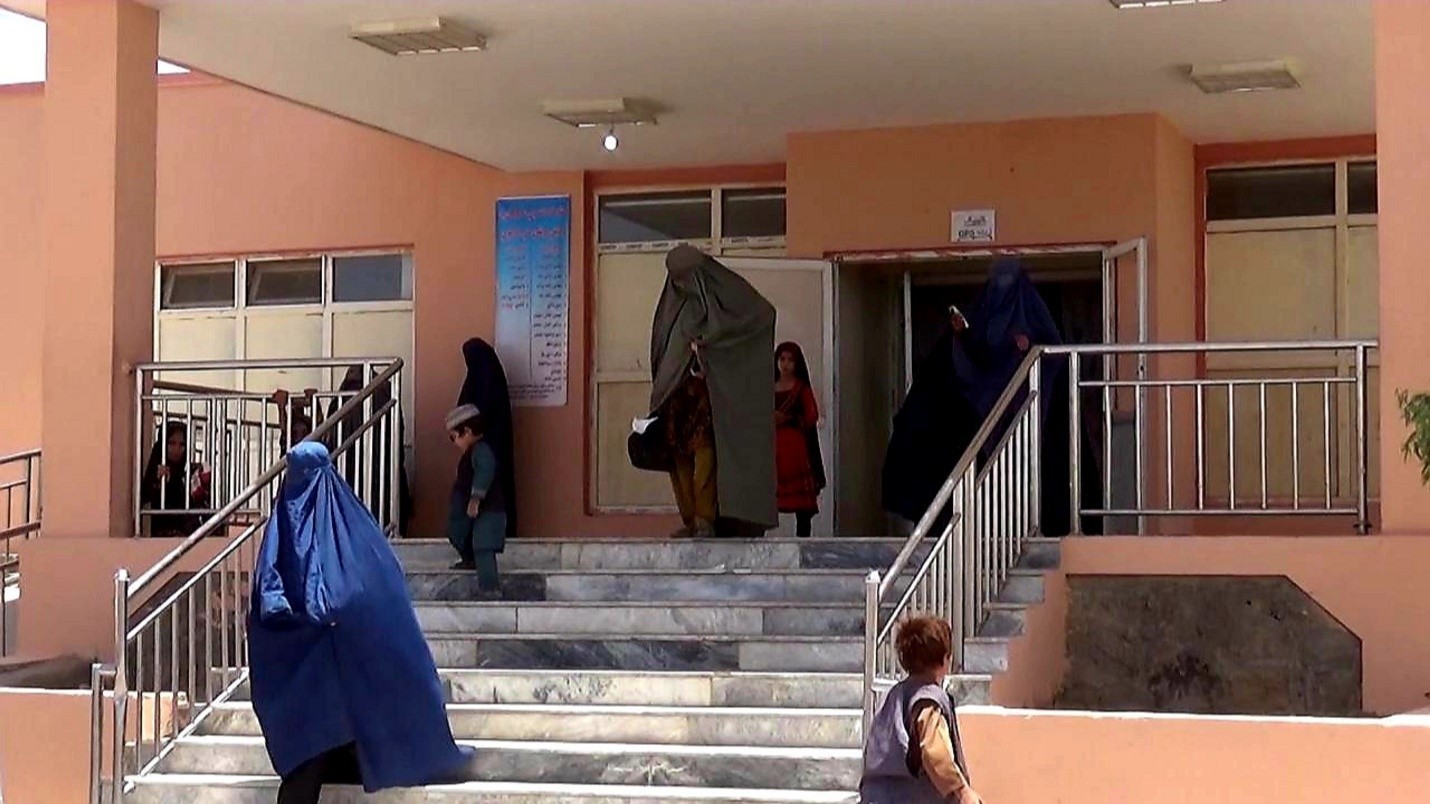
The gate of a government health center in Helmand from which women emerge.
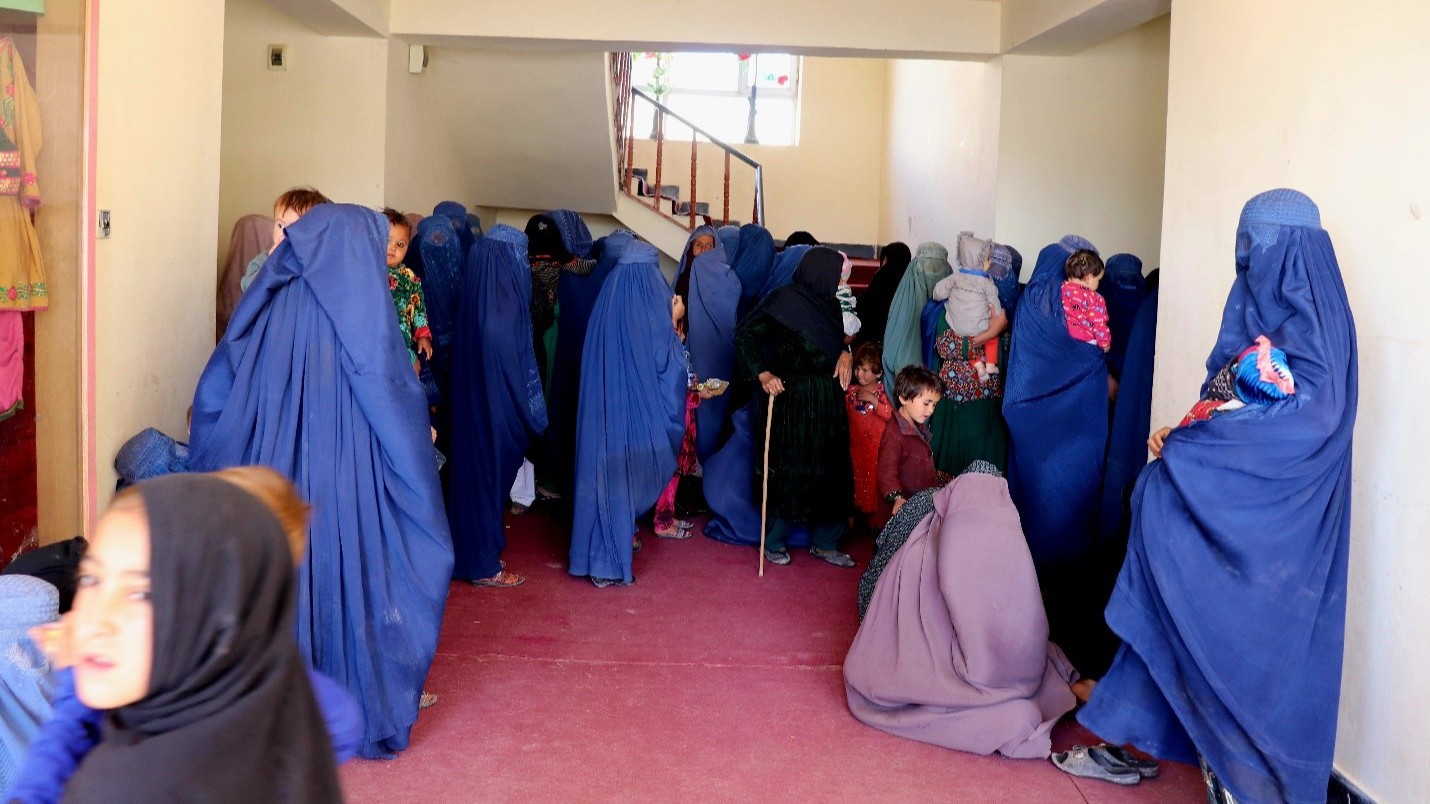
The photo was taken in a hospital in Kandahar where women wait for their turn.







