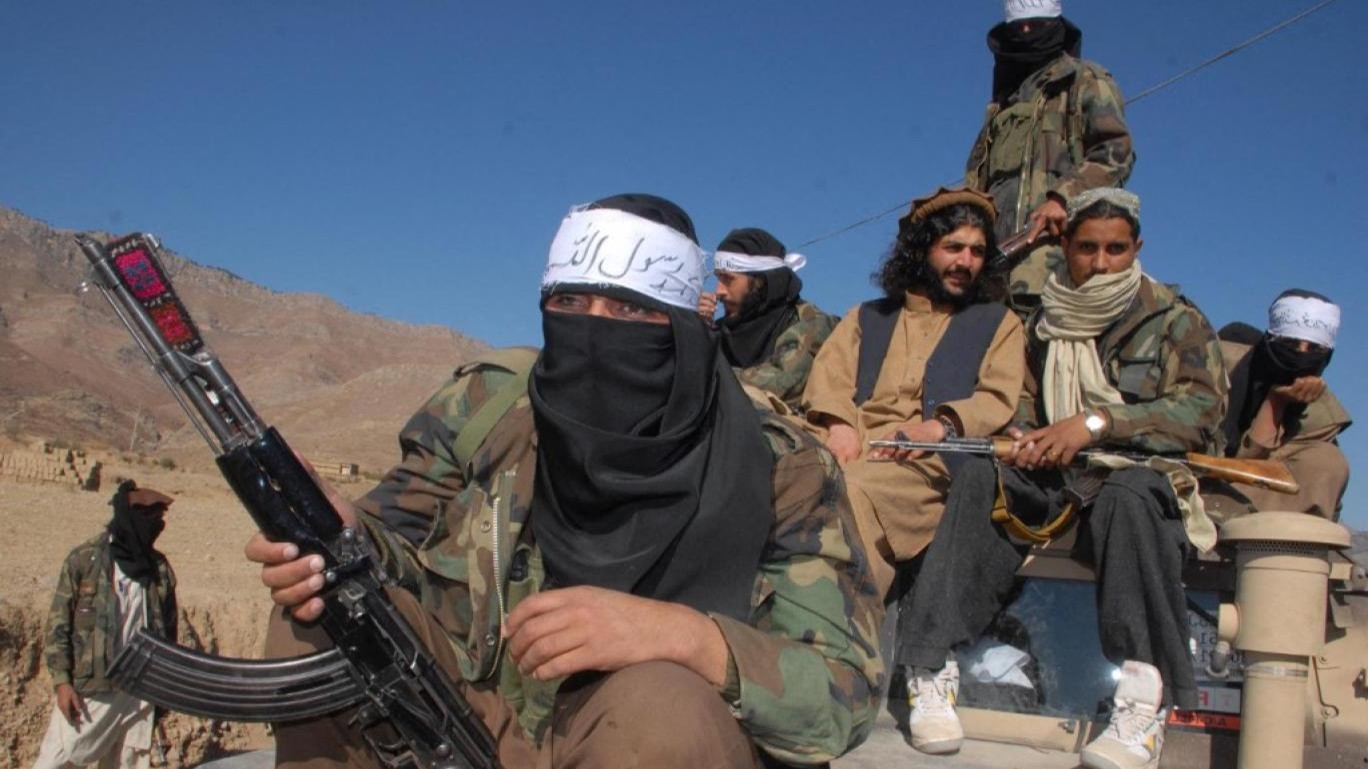
The Kabul Tribune (KT) — International media report a sharp increase in drone and quadcopter attacks across Pakistan alongside the announcement by Tehreek-e-Taliban Pakistan (TTP) that it has established a new unit referred to as an “Air Force,” a development that has heightened concerns over security implications along the Afghanistan–Pakistan border.
According to the reports, the TTP says the new Air Force
unit has been created to expand its operations in the new year. The group has
appointed Maulvi Saleem Haqqani as head of the unit, while Qari Hamza has been
assigned responsibility for electronic affairs and technical workshops.
The announcement comes amid an unprecedented rise in drone
attacks in several parts of Pakistan, particularly in North Waziristan and
Bannu districts. Data released by Khyber Pakhtunkhwa police show that at least
54 drone attacks were recorded in 2025 alone, with most incidents targeting
security checkpoints.
International and Pakistani media outlets note that videos
circulating on social media appear to show militants using quadcopters to drop
explosive devices on security positions. Internal TTP documents obtained by
some media organizations indicate that the formation of the Air Force unit is
aimed at formalizing, coordinating, and expanding attacks carried out through
unmanned aerial vehicles.
Security analysts say the move reflects the growing use of
aerial tactics by militant groups and signals an attempt by the TTP to alter
the nature of its insurgency. Several international analytical reports warn
that this development poses new challenges to Pakistan’s internal security and
could have destabilizing effects on the wider region.
Reports also point to rising concern over the inclusion of a
designated Kashmir-related area within the TTP’s new organizational structure,
with analysts suggesting this could further strain regional political
relations.
Earlier this year, sources told Afghanistan International –
Pashto that Pakistani Taliban militants had gained access to drones and were
already using them in their operations. Separate reports indicate that
anti-drone weapons have also fallen into the hands of militants linked to the
Hafiz Gul Bahadur faction of the Pakistani Taliban.
This comes as the chief minister of Khyber Pakhtunkhwa
previously announced that anti-drone equipment had been provided to police
forces in Bannu. Analysts, however, caution that given the rapid spread and
adaptation of drone technology, defensive measures alone may not be sufficient.
From Afghanistan’s perspective, security researchers warn
that the expansion of militant aerial capabilities in Pakistan could increase
the risk of security deterioration on both sides of the border, underscoring
the growing need for stronger regional coordination and information-sharing.