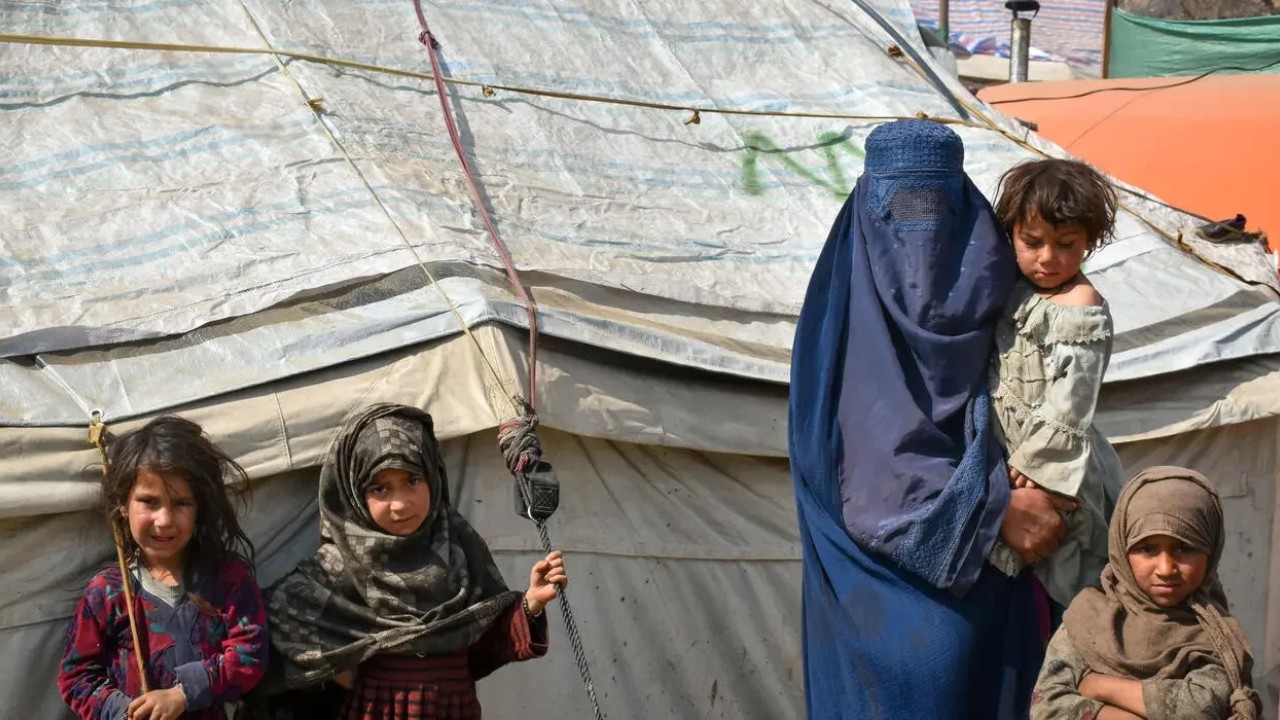
The Kabul Tribune (KT) — An estimated 426 million women and girls are living in extreme poverty worldwide in 2026, UN Women said, calling for greater investment in social protection, health care and education to address persistent gender inequalities.
In a post on X marking the International Day for the Eradication of Poverty on Oct. 17, the U.N. agency said women and girls remain disproportionately affected by poverty while being underrepresented in positions where policies to address it are shaped.
“Women face a double bind: overrepresented in poverty, underrepresented in positions to end it,” the agency said.
According to UN Women, global extreme poverty declined between 2014 and 2024, particularly among children and adolescents. Poverty rates fell by 5 to 8 percentage points among children aged 14 and younger, compared with a decline of 4 to 6 percentage points among adults.
Despite that progress, women continued to face a higher risk of extreme poverty than men. In 2024, an estimated 9.9% of women and 9.5% of men worldwide lived in extreme poverty, according to figures cited by the agency.
The disparity was particularly pronounced among young adults aged 15 to 34, with women’s poverty rates exceeding men’s by nearly 2 percentage points. In sub-Saharan Africa, 295 million women and girls were being left further behind despite broader progress in reducing poverty.
UN Women cautioned that poverty statistics may underestimate women’s deprivation because they often assume household resources are shared equally among family members. In reality, unequal decision-making power and social norms that favor male control can leave women with fewer resources.
The agency also highlighted women’s limited representation in government positions responsible for economic and social policies. Globally, women account for just 19% of ministers overseeing economic portfolios and 40% of ministers responsible for social protection and social security.
Evidence cited by the agency suggests that women’s participation in political and fiscal leadership is associated with higher public spending on health and education and lower child mortality. Women’s greater control over household spending is also linked to increased investment in food, children’s education and health.
UN Women said expanded public investment in social protection, health care and education could play a crucial role in reducing poverty among women and girls and preventing deprivation from continuing across generations.
The agency warned that, if current trends continue, the world is unlikely to eradicate extreme poverty by 2030. At a higher poverty threshold of $8.30 per person per day, more than 40% of the global population could remain in poverty.