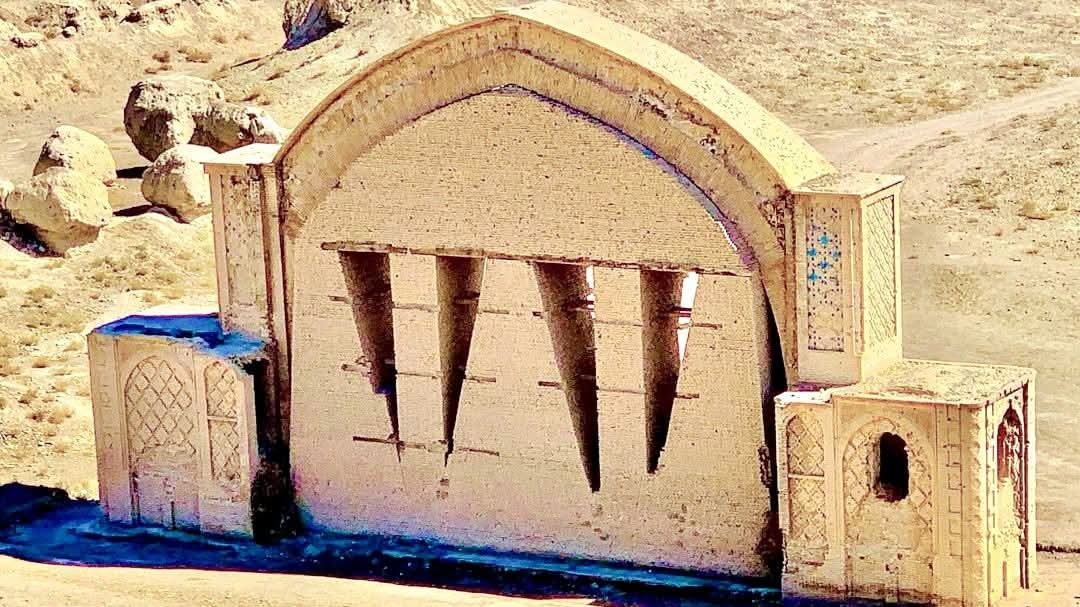
The Kabul Tribune (KT) — Dozens of historic and archaeological sites across southern Afghanistan are facing an escalating risk of destruction due to decades of war, natural disasters, illegal excavations, urban expansion and long-term neglect, historians and residents warn.
Afghanistan is home to nearly 5,000 years of recorded
history, preserved in thousands of ancient sites, including ruins of cities,
forts, temples, cemeteries and other cultural landmarks. These sites are
considered central to the country’s civilizational identity and hold
significant value for regional and global historical research.
However, years of conflict and weak protection mechanisms
have left many of these sites either destroyed or on the brink of collapse.
Kandahar: 26 Historic Sites at Risk
Southern Afghanistan — including Kandahar, Helmand, Uruzgan
and Zabul provinces — is regarded as one of the country’s richest regions in
terms of historical heritage. According to historical sources, these provinces
served as major political, economic and cultural centers across different eras.
The Kandahar Directorate of Information and Culture says 26
historic sites have been officially registered in the province, many of them
dating back thousands of years. Several are now in urgent need of restoration.
Among them are Old Kandahar City, Naranj Palace, Speroan
Hill, the Ashoka Inscription, Arg Bazaar, Sulaiman Tower, Mirwais Nika Mosque,
Minar Tower, Ahmad Shahi buildings, Ahmad Shahi Fort and the Maiwand Fortress.
Cultural activists say some sites were damaged during years
of fighting, while others deteriorated due to neglect by successive
governments, with parts of the land even seized illegally.
Historian Mohammad Wali Sulaiman warned that the historic
fortress dating back to the era of Shah Hussain Hotak is also threatened by
land grabbing and collapse.
“Many historical sites have been seized, and those that
remain are gradually disappearing,” he said. “Serious steps must be taken to
restore them and prevent further encroachment.”
Helmand: 113 Registered Sites
In Helmand province, officials say 113 historic sites have
been registered, including Bost Castle, palaces of Sultan Masoud Ghaznavi, the
Old City, Bolan Fort, Mokhtar Fort, Sarwan Fort, Zamindawar Fort, and the Bibi
Jana fortresses in Khanashin district.
Local residents complain that these sites are largely
ignored and have urged the Taliban to take concrete action to protect and
restore them.
“These are historical treasures wherever they are,” said Obaidullah,
a Helmand resident, speaking to The Kabul Tribune. “Both the authorities and
the public are responsible for protecting them.”
Uruzgan: Heritage Under Encroachment
In Uruzgan province, 143 historic sites and artifacts have
been registered, some dating back thousands of years. Notable sites include Kafir
Fort, Bozicha, Takht-e-Sulaiman, the hot water spring, the Grand Mosque and
Marcha Fort.
Historian Hikmatullah Hakimi said historical heritage is a
national asset and its protection is the responsibility of whoever holds power.
“It is deeply concerning that our historical monuments are
facing destruction,” he said.
A local resident, Habib Rahman, said some artifacts are kept
privately in homes, while other sites have been illegally seized.
Zabul: Smuggling Threatens Ancient Artifacts
Zabul province is home to 28 registered historic sites,
including the shrines of Sheikh Mati Baba and Mohammad Hotak, the house of Nazo
Ana, Qalat Bala Hissar, and the Arrow Minaret.
Resident Aminullah Amin said land grabbing, unauthorized
construction and smuggling pose serious threats.
“Some people build houses on these sites, and if someone
finds an artifact, they keep it or smuggle it elsewhere,” he said, adding that
a local private museum exists where artifacts should be handed over.
Taliban Efforts and Ongoing Concerns
Despite the challenges, the Taliban’s Ministry of
Information and Culture says it has begun restoration efforts in some areas. In
Kandahar, the house of Ahmad Shah Durrani and the Ahmad Shahi reservoir have
been restored, while in Helmand, work has started on building a road leading to
Bost Castle.
Cultural figures warn, however, that without urgent and
comprehensive protection measures across Kandahar, Helmand, Uruzgan and Zabul,
dozens of historic sites could be permanently lost to looting, smuggling and
decay.
They say failure to act would deprive future generations of
Afghanistan’s historical legacy and erase irreplaceable chapters of the
country’s past.
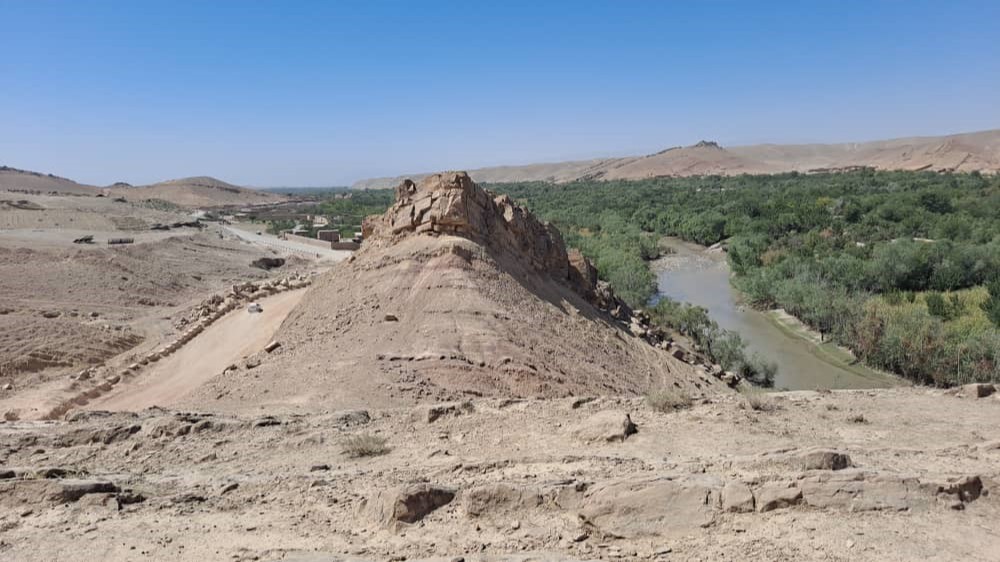
The Kafir Fortress of Uruzgan
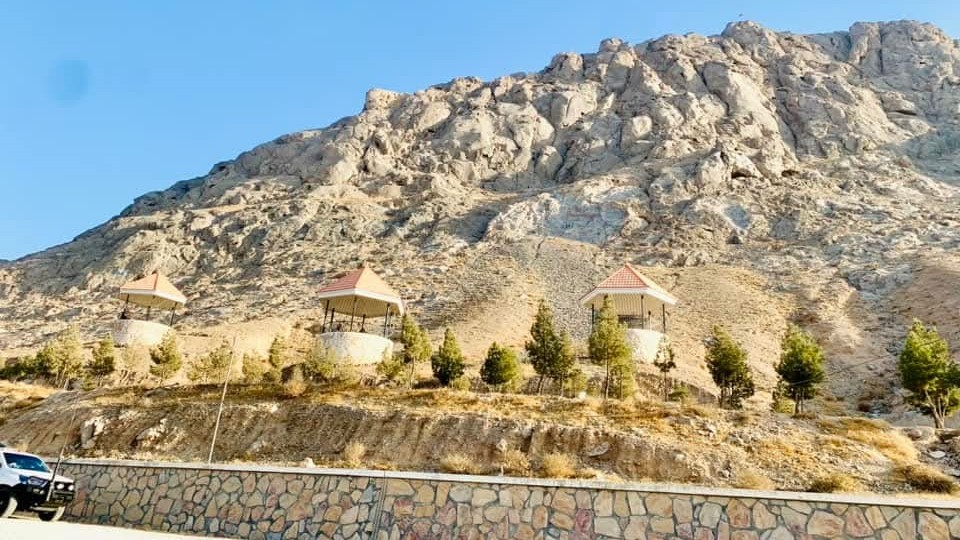
Chel Zini of Kandahar
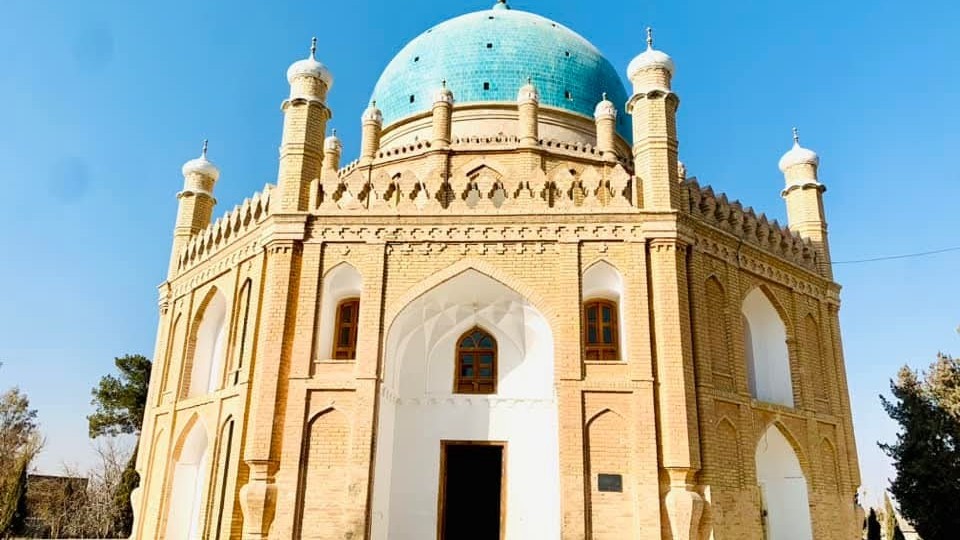
The shrine of Mirwais Nika of Kandahar
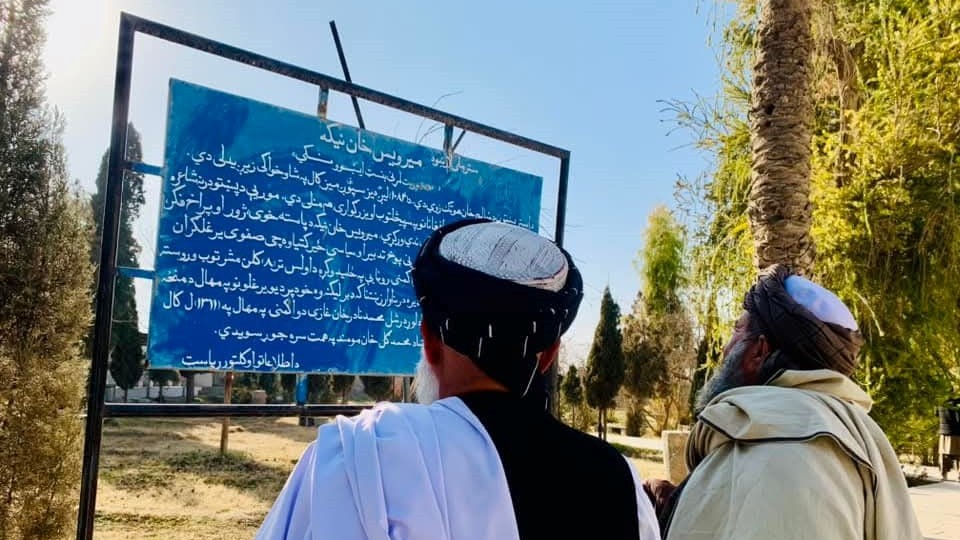
The shrine of Mirwais Nika of Kandahar
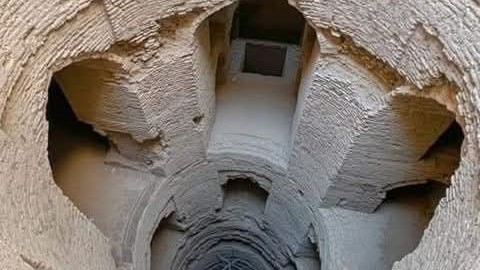
Helmand Bost Historical Fort
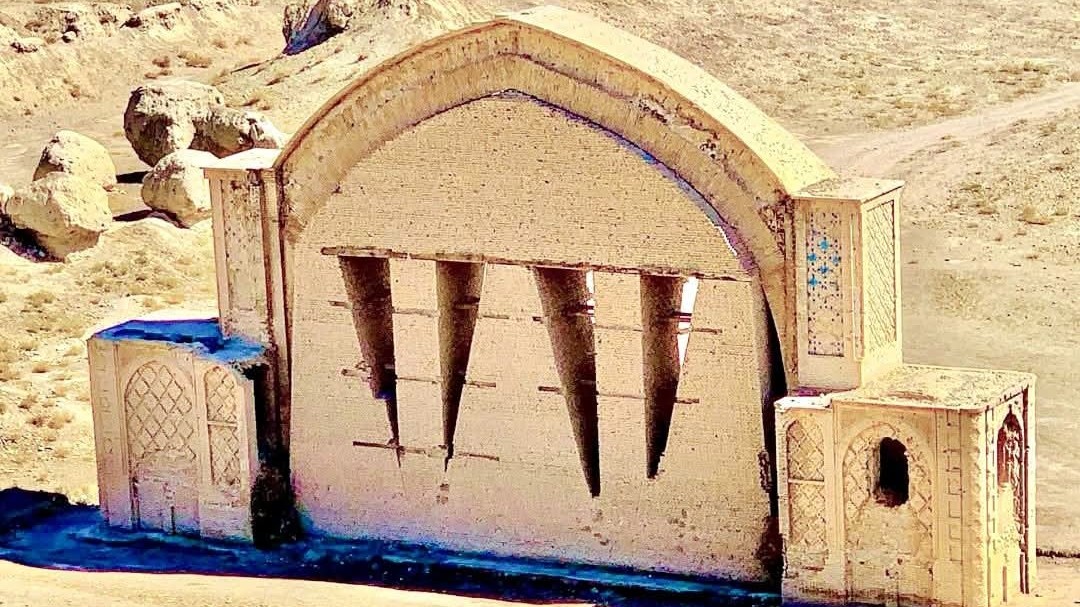
Helmand Bost Historical Fort
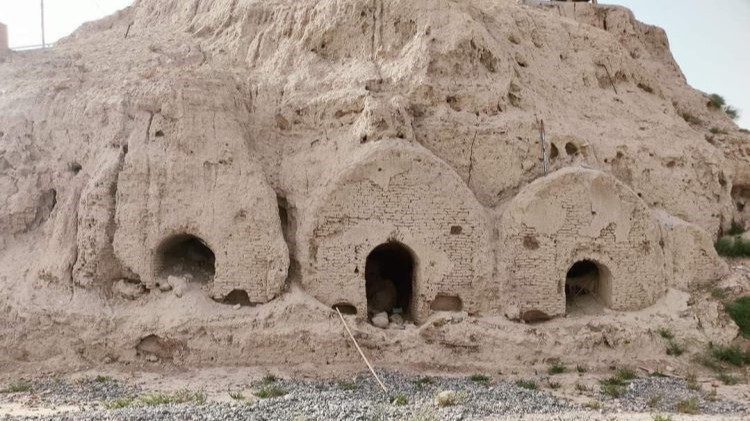
Zabul historical castle







