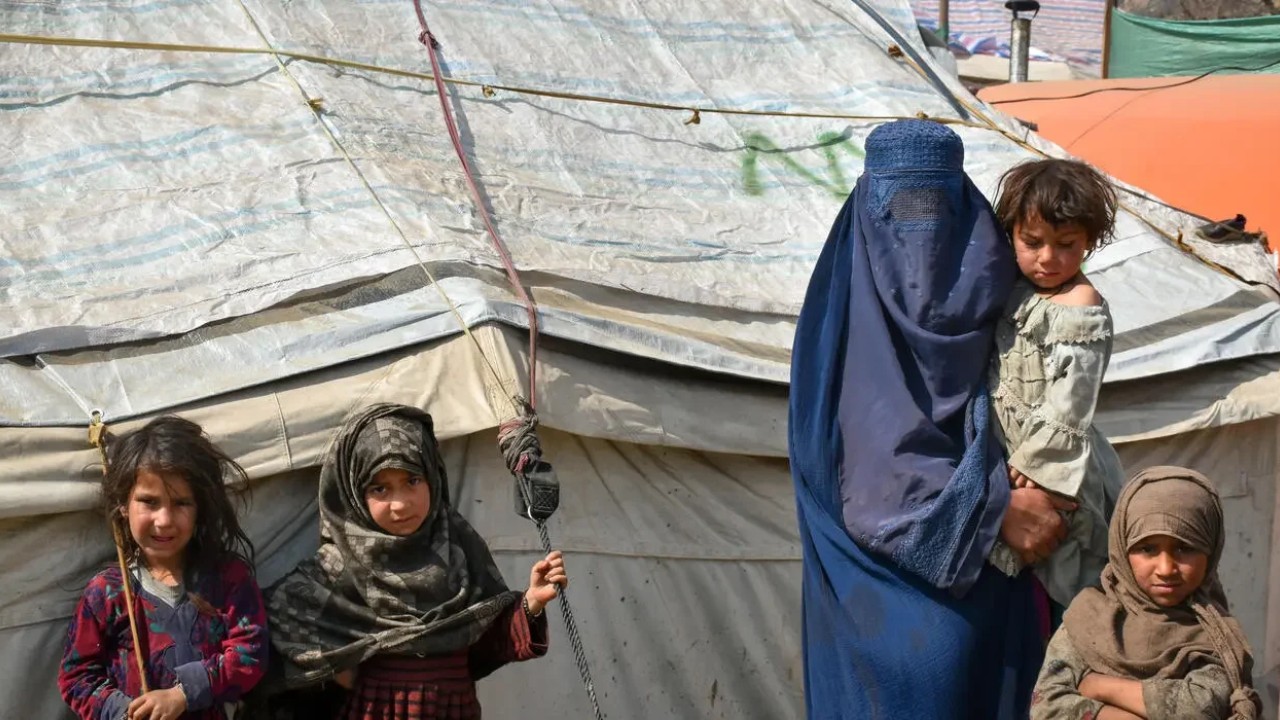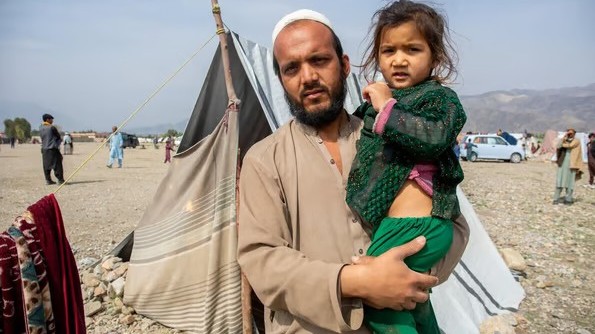
The Kabul Tribune (KT) — Escalating clashes along the Afghanistan–Pakistan border have displaced at least 115,000 people in eastern Afghanistan since Feb. 26, the Norwegian Refugee Council said in a press release on Friday, warning that civilians are paying the highest price for the intensifying conflict.
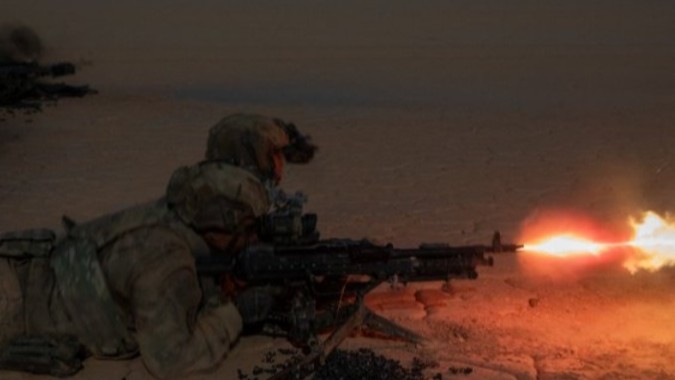
According to the aid group, at least 56 civilians were killed and 129 others injured during the first eight days of the fighting, which involved airstrikes and cross-border clashes.
“Afghanistan is facing crisis on top of crisis, and it is civilians who are paying the highest price,” said Jacopo Caridi. He called on all parties to respect international humanitarian law and ensure the protection of civilians and civilian infrastructure.
The conflict has damaged or destroyed at least 826 homes and forced thousands of families to flee their communities in eastern provinces including Kunar Province and Nangarhar Province. Many displaced people have sought refuge in temporary camps or with host families, while others have been forced to rent inadequate housing they can barely afford.
Aid workers reported that many families have lost access to clean water, healthcare and schooling. The Norwegian Refugee Council said it had suspended education classes in Khost Province due to the insecurity, leaving at least 626 children without access to education.
Health services at more than 20 facilities have also been suspended, including five that were damaged during airstrikes and shelling. The World Food Programme temporarily halted food distributions because of the deteriorating security situation.
Humanitarian groups say Afghanistan’s already fragile aid response has been further strained by funding cuts. According to the United Nations Office for the Coordination of Humanitarian Affairs, about 21.9 million people across Afghanistan currently require humanitarian assistance, while 17.4 million face food insecurity.
The conflict has also complicated the situation for Afghan refugees abroad. Iran currently hosts more than 4.4 million Afghans, including around 1.4 million undocumented migrants who remain at risk of forced return, according to the United Nations High Commissioner for Refugees.
Despite the worsening conditions, aid organizations warn that funding for humanitarian operations in Afghanistan remains critically low, with only about 10% of the required $1.71 billion delivered as of mid-March.
“With a world in turmoil, Afghans must not be forgotten,” Caridi said, warning that rising food prices, closed borders and ongoing violence are making survival even harder for already vulnerable families.