The Kabul Tribune (KT) — UNICEF has warned of a rapidly worsening humanitarian situation in Afghanistan, driven by cross-border tensions, rising returns from neighboring countries, and ongoing internal displacement.
In a humanitarian update released on March 26, the agency said the Torkham Border Crossing with Pakistan has reportedly reopened for the return of Afghan nationals. Humanitarian organizations, including UNICEF and its partners under the Afghanistan Border Consortium, are preparing to assist children and families at reception points.
UNICEF stressed that all returns must be safe, voluntary, and carried out with the protection and well-being of children as a priority.
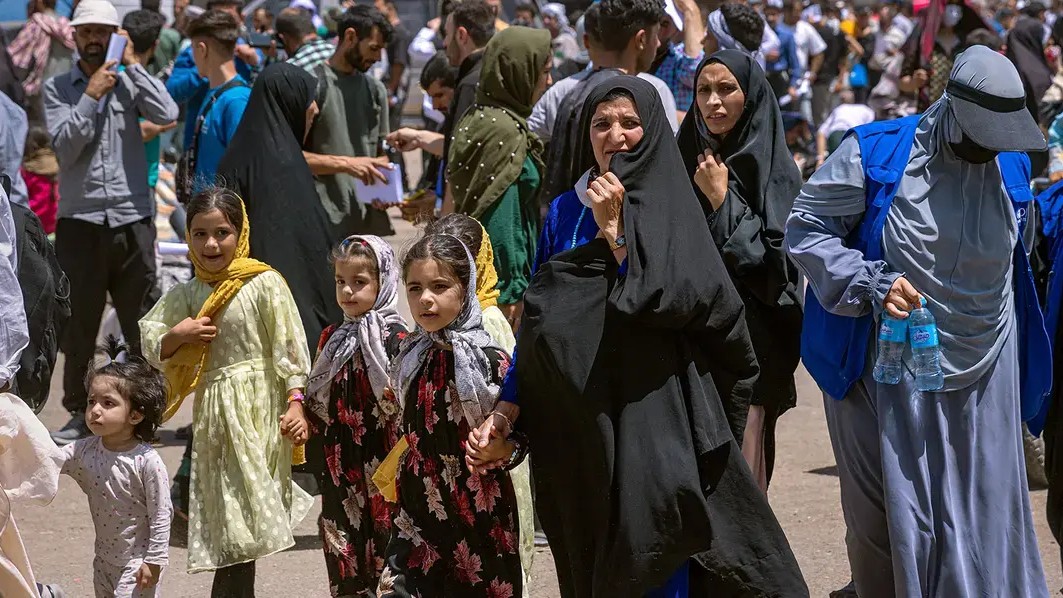
According to the United Nations Office for the Coordination of Humanitarian Affairs, more than 160,000 Afghans have returned from Pakistan so far in 2026, while Pakistan is estimated to host around 1.92 million Afghans, including both documented and undocumented individuals.
The agency described Afghanistan as facing a fast-evolving, multi-layered crisis, fueled by conflict-related displacement linked to tensions with Pakistan, increasing returns from Pakistan, and the risk of a large-scale influx from Iran of up to 2 million people.
These challenges come on top of one of the world’s largest humanitarian crises, with 21.9 million people—including 11.6 million children—requiring assistance this year.
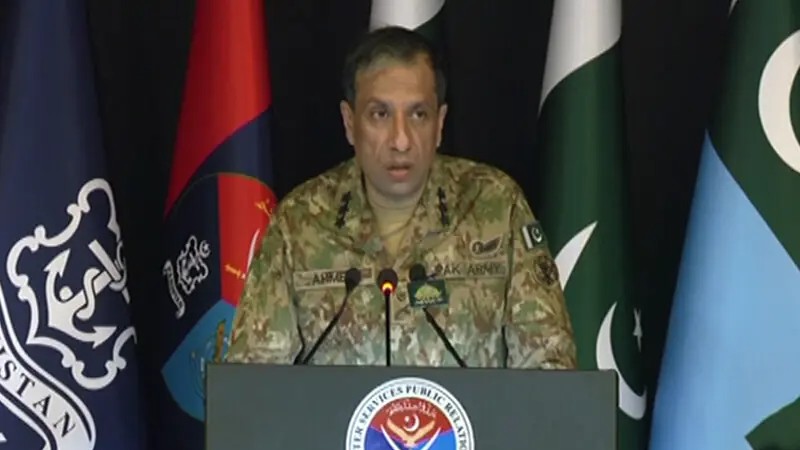
UNICEF reported that recent clashes with Pakistan have already resulted in civilian casualties, displacement, and destruction. Between late February and mid-March, 289 civilian casualties were recorded, including 76 deaths and 213 injuries, with women and children accounting for more than half. Initial reports indicate that around 115,000 people have been newly displaced, though verification is ongoing.
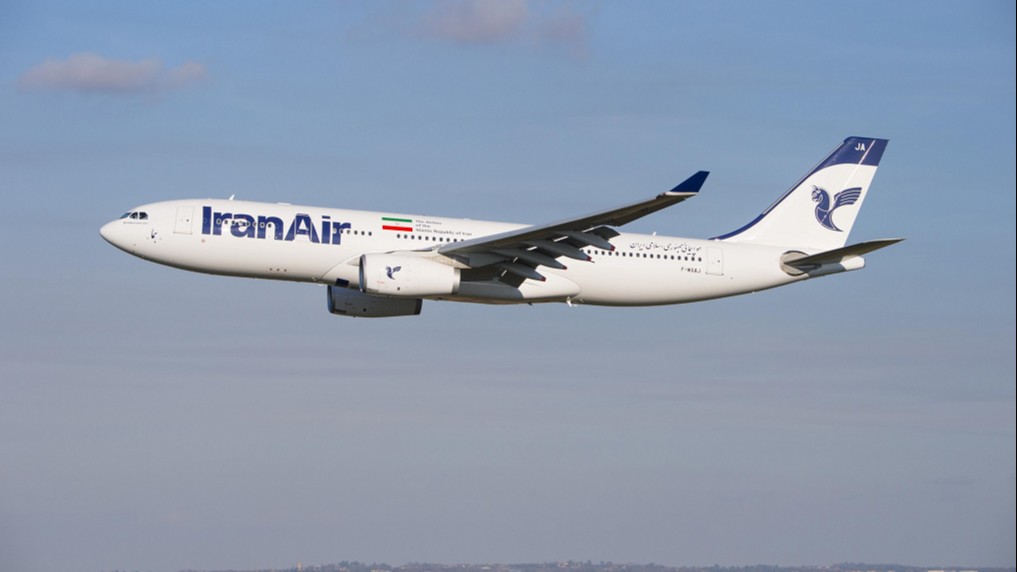
The agency also warned of the continued risk of mass returns from Iran, noting that contingency plans are in place based on infrastructure and services expanded during 2025, when more than 2 million Afghans returned from Iran.
UNICEF said it is responding across multiple fronts, supporting conflict-affected populations, assisting returnees from Pakistan, and preparing for potential large-scale returns from Iran in coordination with partners.
For 2026, UNICEF has appealed for $949.1 million to provide life-saving assistance and basic services to 12 million people in Afghanistan, including 6.5 million children. The agency emphasized the need for sustained and flexible support, including $9 million to assist Afghan returnees from Iran between March and December.
Due to supply chain constraints and limited local availability, UNICEF called on partners to support the airlifting of essential nutrition and medical supplies that cannot be sourced within the country.