The Kabul Tribune (KT) — Reuters reported that growing tensions between the United States and Iran have cast doubt on the survival of a fragile ceasefire after Washington seized an Iranian cargo ship and Tehran vowed retaliation.
Concerns intensified on Monday as Iran signaled it would not
participate in a second round of peace talks that the U.S. had hoped to launch
before the ceasefire expires on Tuesday.
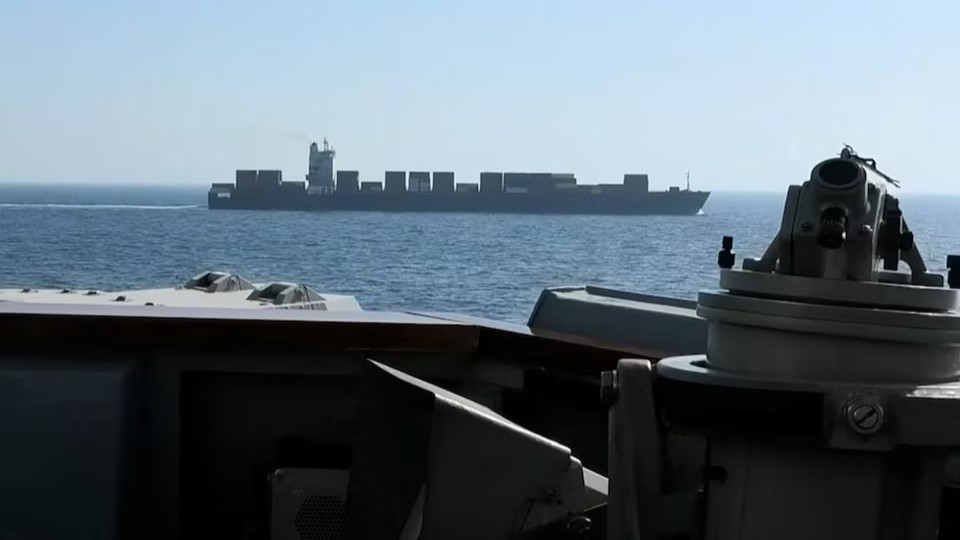
The U.S. military said it fired on an Iranian-flagged cargo
vessel in the Gulf of Oman as it sailed toward Bandar Abbas port, later taking
control of the ship. Donald Trump said the vessel had attempted to breach a
U.S.-imposed blockade.
Iranian officials said the ship had been traveling from
China and warned of an imminent response, describing the incident as “armed
piracy” by U.S. forces.
The confrontation has further strained efforts toward a
broader peace agreement. Iranian state media said Tehran rejected new
negotiations, citing what it described as Washington’s “excessive demands,”
shifting positions, continued blockade, and threatening rhetoric.
Iran’s First Vice President Mohammadreza Aref said
restricting Iran’s oil exports while expecting security for others was unacceptable,
warning of wider consequences if tensions escalate.
The standoff has disrupted global markets, with oil prices
rising and stock markets showing volatility due to fears of prolonged
disruption in the Strait of Hormuz, a key route for global energy supplies.
Meanwhile, uncertainty surrounds planned talks in Islamabad,
where the U.S. had intended to send a delegation led by Vice President JD Vance
alongside envoys Steve Witkoff and Jared Kushner. However, conflicting
statements from Trump have cast doubt on whether the delegation will proceed as
planned.
Pakistan has nonetheless intensified security preparations,
with reports of military aircraft delivering equipment and authorities imposing
restrictions in Islamabad ahead of the potential talks.
The conflict, now in its eighth week, has severely disrupted
global energy flows and raised fears of a wider regional war, with casualties
mounting and infrastructure damage reported across multiple areas.