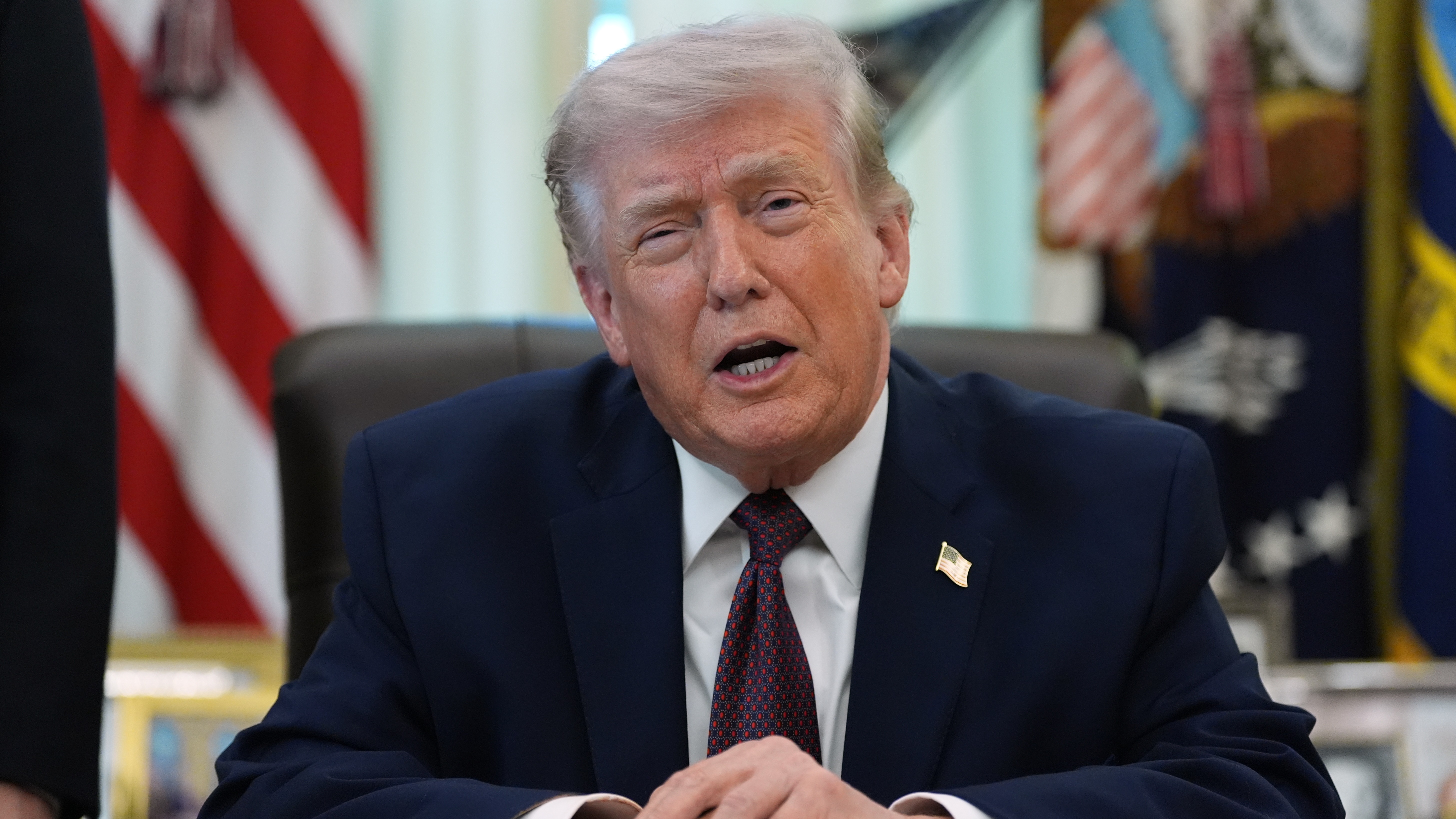
The Kabul Tribune (KT) — Reuters reported that Donald Trump has instructed U.S. negotiators not to rush into a deal with Iran, signaling that a breakthrough in ongoing talks is not imminent.
In a post on Truth Social, Trump said the U.S. naval
blockade on Iranian vessels in the Strait of Hormuz would remain “in full force
and effect” until a formal agreement is reached, verified, and signed.
“Both sides must take their time and get it right,” Trump
said.
There was no immediate response from Iranian authorities.
However, Tasnim News Agency reported that the United States continues to
obstruct parts of a potential agreement, including Tehran’s demand for the
release of frozen funds.
A day earlier, Trump said Washington and Tehran had largely
negotiated a memorandum of understanding aimed at reopening the Strait of
Hormuz, a key global shipping route that previously carried about one-fifth of
the world’s oil and liquefied natural gas.
Despite progress, major differences remain, including Iran’s
nuclear program, regional conflicts involving Israel and the Iran-backed
Hezbollah, and Tehran’s demands for sanctions relief and access to billions of
dollars in frozen oil revenues.
A senior U.S. official, speaking on condition of anonymity,
said Iran had agreed “in principle” to reopen the waterway in exchange for
lifting the blockade and addressing its stockpile of highly enriched uranium.
The official added that Iran’s Supreme Leader, Mojtaba
Khamenei, had endorsed the general framework of the deal, though no formal
confirmation was provided by Tehran.
Another U.S. official said negotiators could have up to 60
days to finalize an agreement, with initial steps focusing on reopening the
strait and easing naval restrictions, while more complex nuclear issues would
take longer to resolve.
Critics in Washington, including Mike Pompeo and Democratic
lawmakers such as Chris Van Hollen, argued that the emerging framework closely
resembles the 2015 nuclear deal and may offer limited new concessions.
Meanwhile, Iran has maintained that its nuclear program is
for peaceful purposes and has denied seeking nuclear weapons.
The proposed agreement comes amid a fragile ceasefire
following months of conflict that disrupted global energy markets and reduced
traffic through the Strait of Hormuz.