The Kabul Tribune (KT) — Afghanistan remains among the world’s most climate-vulnerable countries, with rising temperatures, frequent natural disasters and decades of underinvestment worsening living conditions, according to UNDP.
Since 1950, temperatures in Afghanistan have increased by about 1.8 degrees Celsius, contributing to more frequent floods, droughts and extreme weather events that affect more than 200,000 people each year. Despite contributing minimally to global emissions, the country continues to bear severe climate-related consequences.
From February to July 2025, heavy rainfall and flash floods caused dozens of deaths and injuries across the country, displacing thousands and destroying homes, farmland and infrastructure.
Flooding has also become a long-term driver of poverty, as damage to irrigation systems and farmland reduces crop yields, undermines food security and forces families into debt.
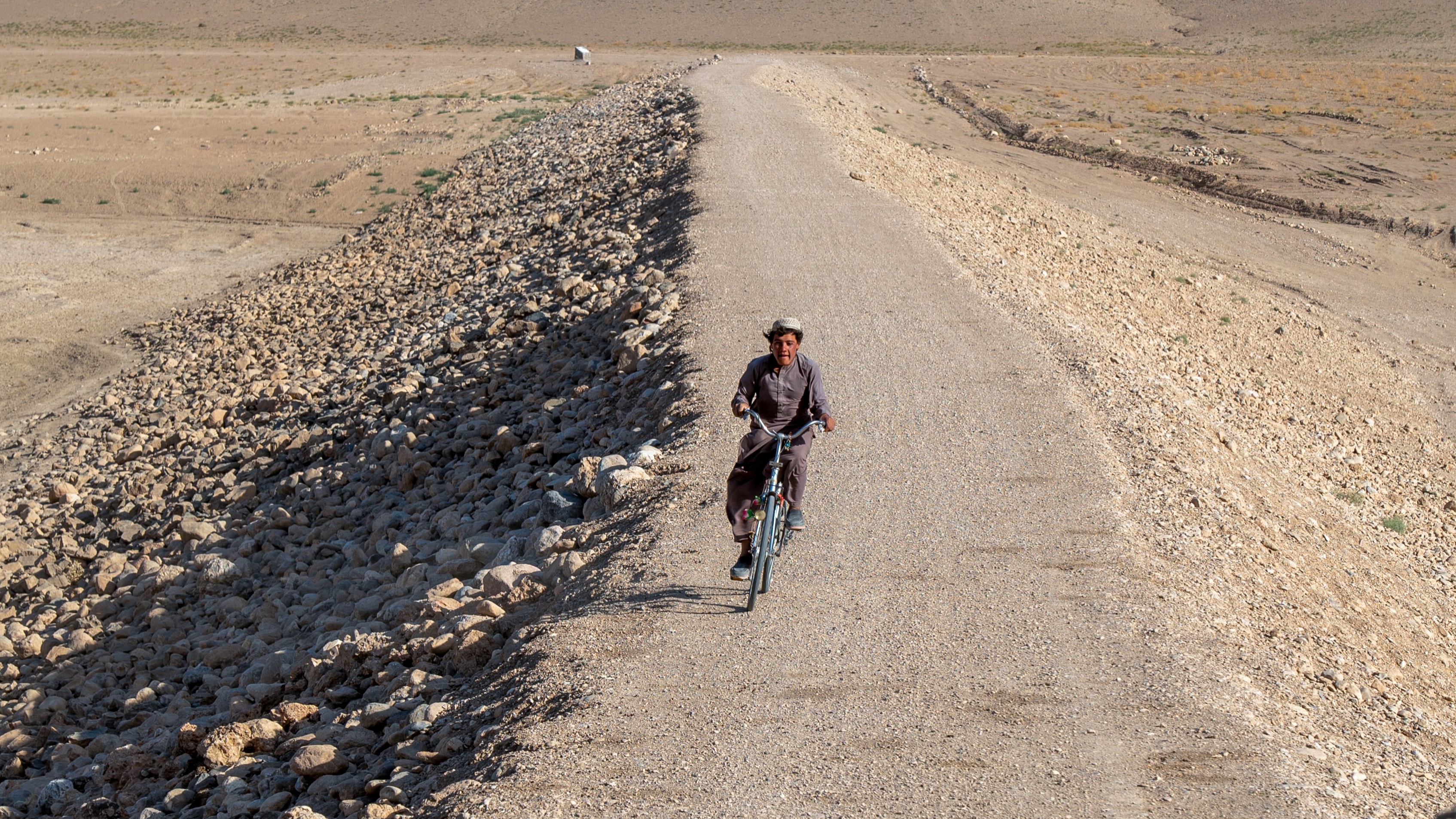
UNDP says it is working with communities to strengthen disaster risk management by providing early-warning systems and supporting infrastructure projects. In Nejrab district of Kapisa province, irrigation canals and protective walls have been constructed, benefiting around 80,000 people across 25 villages.
In eastern Nangarhar province, UNDP has introduced nature-based solutions, including planting jujube trees to reduce flood risks and improve soil stability. The initiative also provides an additional source of income through fruit production.
The organization is also promoting climate-resilient agriculture. In Kandahar province, farmers have received modern tools, training and agricultural inputs, reducing post-harvest losses and improving productivity.
Drought remains another major challenge. In districts near Kabul and in Baghlan province, irrigation projects have restored water access to thousands of hectares of farmland, benefiting several thousand households and increasing agricultural yields.
UNDP has also expanded renewable energy projects across Afghanistan. Since 2021, solar systems have been installed in more than 6,000 facilities, including health centers, schools and businesses, improving access to electricity and reducing reliance on diesel fuel.
In Paktika province, solar power systems have transformed healthcare services by ensuring uninterrupted electricity at hospitals, enabling safer medical procedures and improved patient care.
The agency says its climate and energy initiatives have benefited millions of Afghans, particularly women, by improving livelihoods, strengthening resilience and expanding access to essential services.
As global efforts to address climate change continue, UNDP says its work in Afghanistan focuses on ensuring that vulnerable communities are not left behind.