The Kabul Tribune (KT) — The United Nations Development Programme has warned that the COVID-19 pandemic could push Afghanistan’s poverty rate to nearly 70%, urging all sides in the conflict to reduce violence and redirect resources toward public welfare.
In a new assessment released on July 28, UNDP said the
pandemic poses a severe threat to Afghanistan’s fragile economy and health
system, projecting a 6.25% contraction in GDP in 2020, compared with earlier
growth estimates of 3%.
The report estimates that poverty could rise from 55% to
68%, placing additional strain on already limited health services and requiring
interventions beyond the government’s financial capacity.
UNDP called on warring parties, including the Taliban, to
take “whatever it takes” to reduce conflict and reallocate resources toward
healthcare and social support systems.
“Reducing conflict intensity is essential to create fiscal
space and save lives,” the report said, emphasizing the need for transparent
and equitable distribution of resources to build public trust.
Abdallah Al Dardari, UNDP Resident Representative in
Afghanistan, said the crisis also presents an opportunity to reform and
strengthen the country’s economy through targeted socio-economic protection
programs.
According to the report, more than 75% of children in
Afghanistan are exposed to drought, while millions face food insecurity and
malnutrition. The country already suffers from weak healthcare infrastructure,
with limited hospital capacity and low public spending on health.
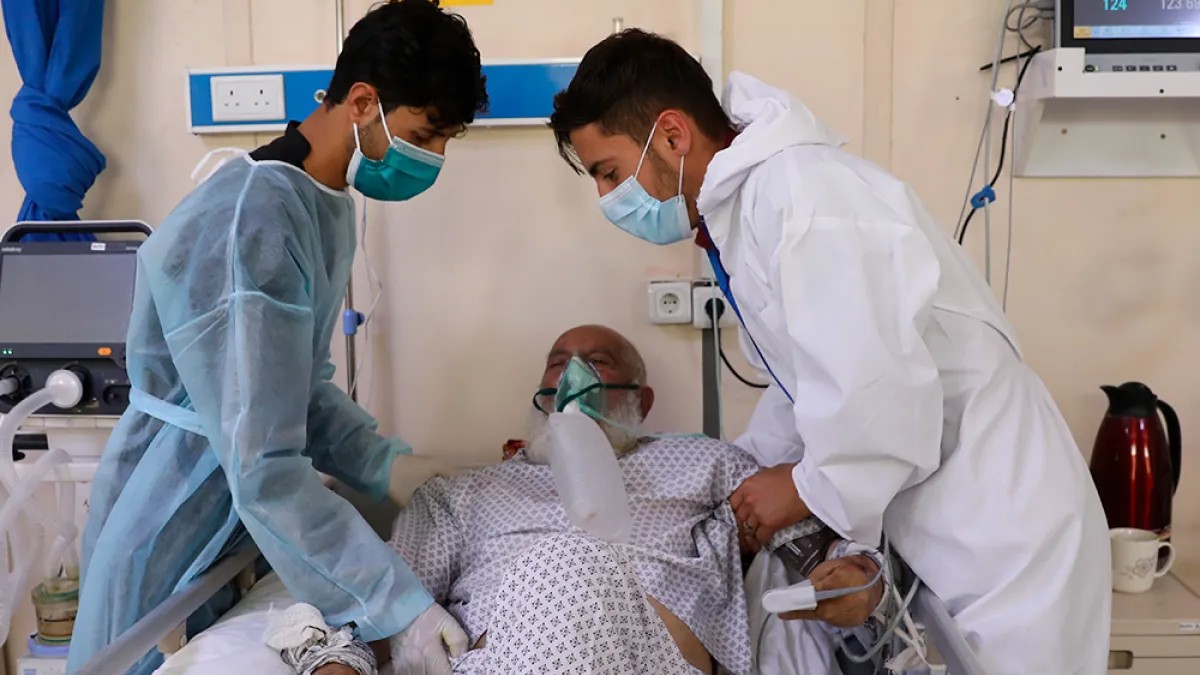
UNDP estimates that responding to the pandemic would require
at least $250 million for healthcare measures alone, including additional beds,
equipment, and personnel.
The report also highlighted that nearly 90% of the
population may require food assistance and medical support, while millions
remain vulnerable due to unemployment, displacement, and lack of access to
essential services.
UNDP urged increased international support ahead of the
Afghanistan donor conference in Geneva, noting that strong policy decisions
could encourage higher levels of foreign aid.
The agency also recommended improved coordination between
authorities and the Taliban, increased protection for healthcare workers,
expanded public works programs, and greater transparency in government spending.
UNDP said it is already supporting Afghanistan’s response by
providing medical supplies, strengthening laboratory capacity, and establishing
health centers and mobile teams across several provinces.