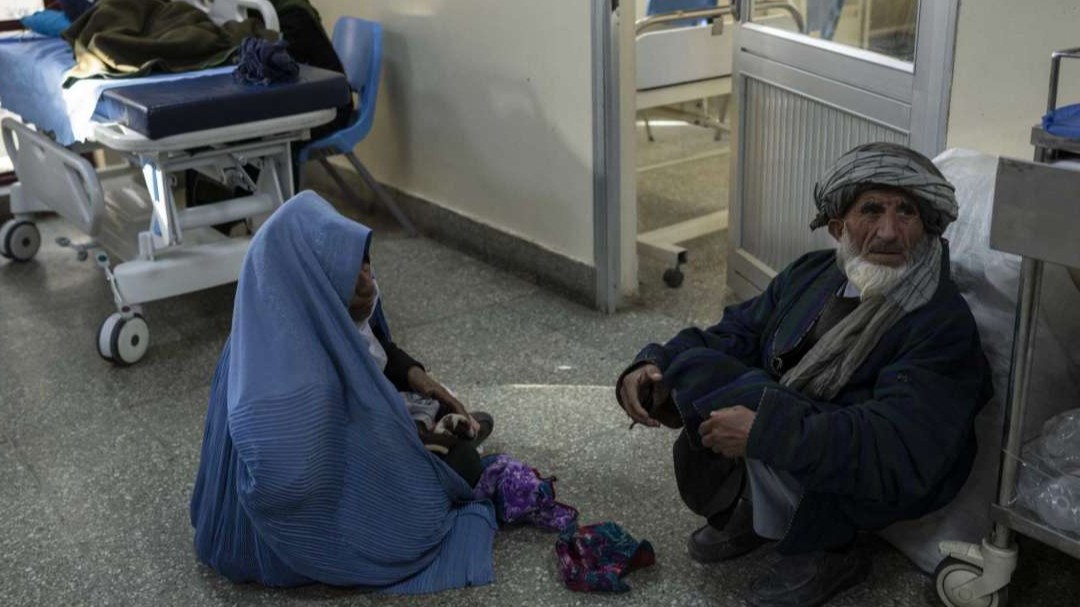
The Kabul Tribune (KT) — Humanitarian organizations in Afghanistan are warning that severe funding shortfalls are undermining efforts to respond to widespread and growing needs across the country, according to new figures from the humanitarian response system.
The 2026 Humanitarian Needs and Response Plan has received just $269 million out of a required $1.71 billion, leaving a $1.44 billion gap. The funding level is also $110 million lower than the same period in 2025, despite continued high levels of humanitarian need.
Aid agencies report that millions of Afghans are affected by overlapping crises, including food insecurity, economic hardship, displacement, climate-related disasters, and protection risks. Between January and March 2026, humanitarian partners reached 4.7 million people with at least one form of assistance, while more than 435,000 received multi-sector support.
Food assistance accounted for nearly two-thirds of total aid delivery, reaching around three million people in the first quarter of the year. Humanitarian cash programs also distributed $20.3 million to 2.3 million people across 33 provinces, helping families cover essential needs such as food, rent, and healthcare.
The UN Office for the Coordination of Humanitarian Affairs (OCHA) said the funding gap is already forcing agencies to scale back programs and reduce services, limiting access for some of the country’s most vulnerable populations.
In eastern Afghanistan, humanitarian officials report that multiple crises are converging, including conflict-related displacement, flooding, and the long-term impact of last year’s earthquake. Hospitals and public services in provinces such as Nangarhar and Kunar are operating under severe strain, with damaged infrastructure and shortages of medical supplies.
OCHA officials who recently visited the region warned that repeated shocks are eroding community resilience, leaving many families trapped in cycles of displacement and recovery without long-term solutions.
The crisis is particularly acute for women and children, who continue to face restrictions on education, employment, and public life, further increasing reliance on humanitarian assistance.
Aid agencies also highlighted individual cases illustrating the impact of assistance programs. In western Afghanistan’s Herat Province, one disabled man described how food aid from the Afghanistan Humanitarian Fund helped sustain his family for several weeks, underscoring the importance of continued donor support.
Humanitarian organizations say they remain committed to delivering life-saving assistance, but warn that without urgent and predictable funding, millions more Afghans risk falling deeper into crisis and essential services will continue to shrink.