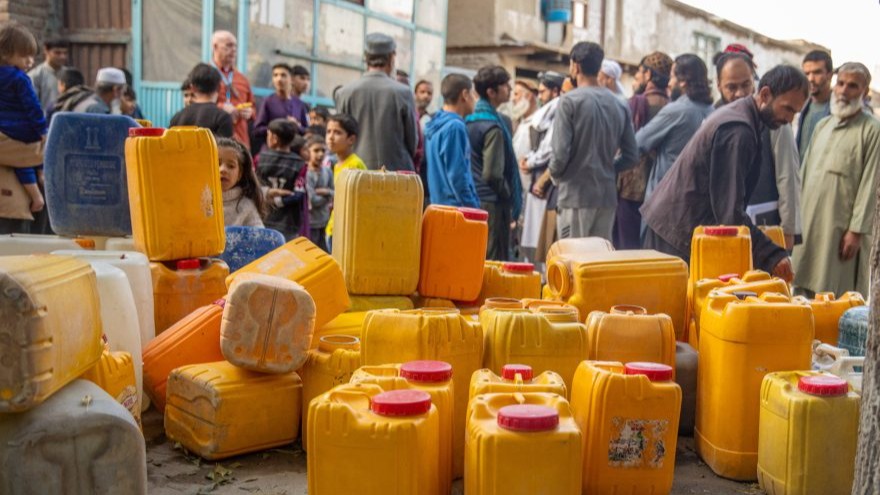
The Kabul Tribune (KT) — An estimated 16 million people in Afghanistan will require access to clean water and sanitation services in 2026, the United Nations Office for the Coordination of Humanitarian Affairs said, warning of worsening conditions for vulnerable communities.
In a statement released Monday, OCHA said water scarcity is
increasing health risks, particularly for children, and disrupting daily life
across the country as communities adopt coping strategies to deal with
shortages.
The agency described access to safe drinking water and
sanitation as a critical humanitarian challenge, citing the combined effects of
recurring droughts, weak water management infrastructure and widespread
poverty.
Afghanistan continues to face climate-related shocks that
are placing additional strain on already fragile communities, according to U.N.
agencies, which have repeatedly warned of intensifying pressure on limited
resources.
The warning comes amid a broader humanitarian crisis marked
by economic hardship, food insecurity and declining international aid. Aid
organizations say reduced funding has constrained efforts to expand water,
sanitation and hygiene services in many parts of the country.
U.N. officials said water shortages have become more severe
in several provinces, contributing to health concerns, displacement and reduced
agricultural productivity. Experts also warned that ongoing drought conditions
and population growth could further strain Afghanistan’s water resources in the
coming years.
Humanitarian organizations have called for increased
international support to strengthen water infrastructure, improve sanitation
systems and help communities adapt to the long-term effects of climate change
and recurring drought.