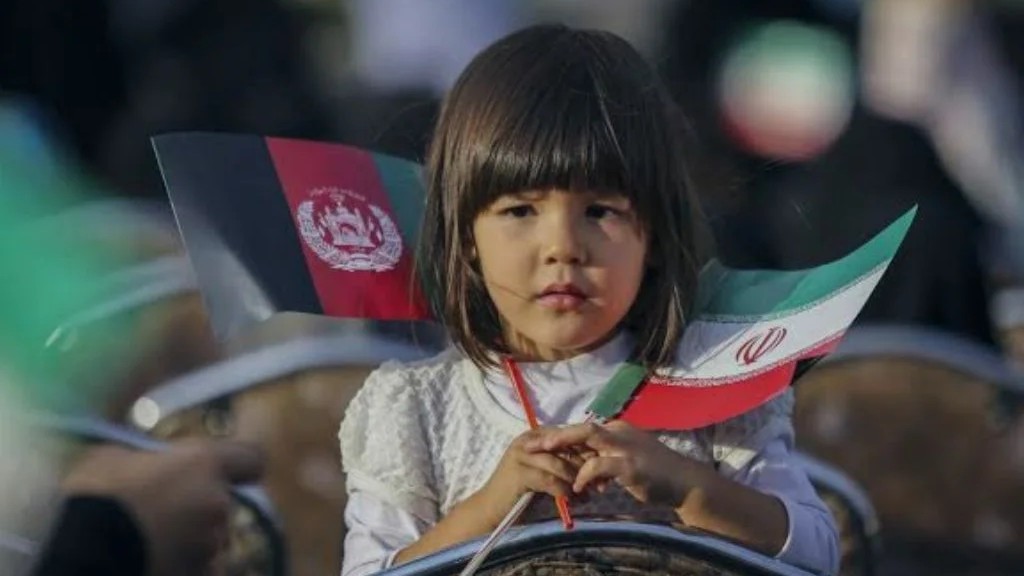
The Kabul Tribune (KT) — HANA Human Rights Organization has expressed grave concern over what it described as a growing pattern of legal exclusion affecting Afghan migrants in Iran, warning that many, particularly women and children, face significant obstacles in registering personal-status documents and obtaining judicial protection.
In a statement, HANA said Afghan migrants frequently
encounter difficulties registering marriages, divorces, births, child custody
arrangements, inheritance claims and other civil-status matters. The
organization said the lack of accessible and transparent registration
procedures leaves many migrants "legally invisible," limiting their
ability to establish family relationships, exercise civil rights, access public
services and seek legal remedies.
HANA said the situation has worsened following the recent
armed conflict between Iran and Israel, citing heightened security measures,
internet shutdowns, disruptions to public services and increased administrative
and law-enforcement pressure on Afghan nationals.
According to the organization, Afghan women have been
disproportionately affected, with many facing barriers to obtaining legal
protection in cases involving domestic violence, unregistered marriages,
informal divorces, abandonment, denial of child custody and unpaid financial
support.
The report also warned that Afghan children remain among the
most vulnerable groups, saying failures to register births and issue identity
documents could deprive them of education, healthcare, social protection and
legal identity while increasing their risk of statelessness, child labor,
trafficking and early marriage.
HANA argued that these practices may conflict with
provisions of Iran's Civil Code and Constitution, which guarantee access to
justice and equal protection under the law. It also said Iran's obligations
under international human rights treaties require authorities to ensure access
to legal recognition, birth registration, education, healthcare and judicial
protection without discrimination based on nationality or migration status.
The organization called on Iranian authorities to establish
accessible procedures for registering personal-status documents, ensure
migrants can access courts regardless of their residency status, strengthen
legal protections for migrant women and children, maintain access to justice
during security emergencies, refrain from measures that discourage migrants
from seeking legal protection, and review laws and administrative practices
affecting foreign nationals.
Iran hosts one of the world's largest Afghan migrant
populations, many of whom have fled decades of conflict, economic hardship and
political instability in Afghanistan. In recent years, Iranian authorities have
intensified immigration enforcement and deportation efforts, while human rights
organizations have repeatedly raised concerns about Afghan migrants' access to
legal protection, public services and fundamental rights.