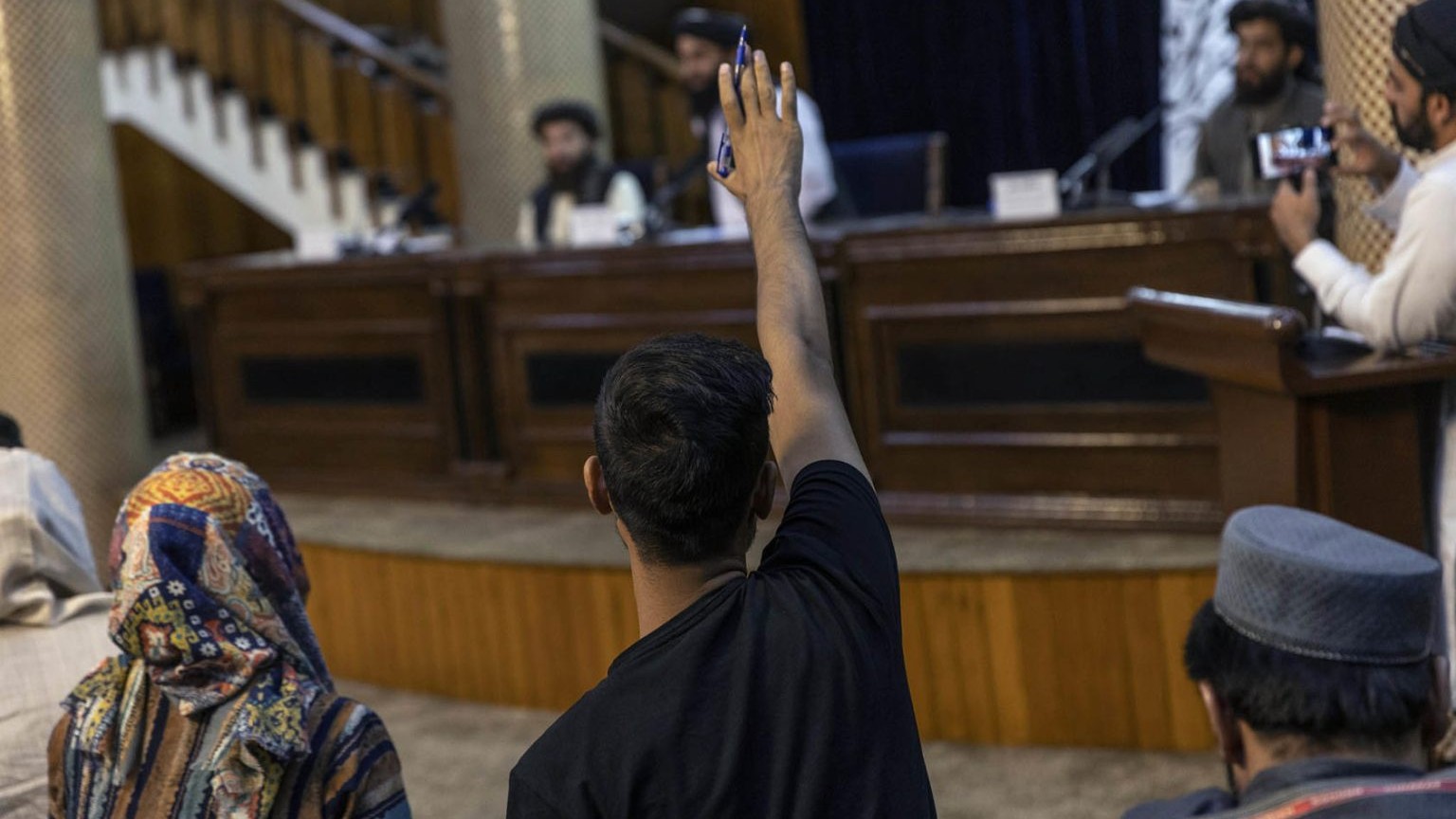
The Kabul Tribune (KT) — The Afghanistan Media Support Organization said Afghanistan's media sector is facing a "systematic, widespread, and multi-layered" crisis under Taliban rule, citing an increase in the detention of journalists, physical violence, censorship, and restrictions on access to information.
In an analytical report titled "Under the Shadow of Fear and Censorship," released on July 12, AMSO said its findings are based on information collected from across Afghanistan between June 10 and July 10, 2026.
The organization assessed the country's media environment across four areas: security and physical safety, administrative and professional conditions, technology, and ideological restrictions.
According to the report, journalists faced arbitrary arrests, physical abuse, intimidation, and security threats during the reporting period.
AMSO said some journalists were detained by Taliban intelligence agencies after covering official events, while others were reportedly arrested and beaten following everyday disputes, including disagreements over transportation fares.
The organization said journalists who were later released were pressured to remain silent about their detention and discouraged from filing complaints or publicly discussing their treatment. According to the report, such practices have contributed to an atmosphere of fear and growing self-censorship among media workers.
AMSO also criticized the way Taliban spokespersons disseminate official information, saying many increasingly publish announcements late at night or through personal social media accounts instead of official channels during regular working hours.
The organization said this practice has made access to information more difficult for news organizations and, in some cases, has contributed to workplace disputes and salary deductions for journalists.
According to the report, the Taliban's Ministry for the Promotion of Virtue and Prevention of Vice has expanded its involvement in media affairs. Several radio stations reportedly received warnings over telephone calls and the broadcasting of female voices, while ministry officials have continued inspections of media offices.
AMSO also said journalists continue to face pressure to grow beards and alter their appearance in accordance with Taliban directives.
The report further alleged that Taliban authorities warned journalists against publishing reports related to Afghanistan's economic difficulties, rising fuel prices, disagreements among Taliban officials, or details of security incidents in either traditional media or on their personal social media accounts.
According to AMSO, some journalists have been threatened with detention or prosecution for publishing such information.
The organization also described restrictions on the use of smartphones in some government offices as a significant obstacle to media work, saying the measures have disrupted journalists' access to information, communication with official spokespersons, and the production of video interviews.
In its conclusions, AMSO said Afghanistan's media sector is facing a "deep, widespread, and multidimensional" crisis, warning that shrinking press freedom, systematic restrictions on access to information, growing security, economic and psychological pressures on journalists, and increasing censorship pose a serious threat to the future of independent journalism and risk the gradual loss of experienced media professionals.