The Kabul Tribune (KT) — Uzbekistan and Pakistan have reached a provisional agreement to expand bilateral trade through China, bypassing Afghanistan, Eurasianet reported, a move that underscores Tashkent's efforts to diversify regional trade routes despite continuing support for connectivity projects through Afghanistan.
According to the report, Uzbekistan has significantly
expanded its engagement with Afghanistan over the past year and aims to nearly
triple bilateral trade in the coming years. Uzbek President Shavkat Mirziyoyev
has also said his government is working with the Taliban to develop the
proposed Trans-Afghan railway, which is intended to provide Uzbekistan with
faster access to Pakistani seaports.
However, Pakistani media reported that Tashkent and
Islamabad are preparing to sign a protocol to formalize the expansion of trade
via China, offering an alternative transit route that avoids Afghanistan. The
agreement is intended to broaden transit options and ensure the uninterrupted
movement of goods amid evolving regional security challenges.
From Afghanistan's perspective, the development could reduce
the country's importance as a regional transit corridor if trade increasingly
shifts to alternative routes. A functioning Trans-Afghan corridor has long been
viewed as the shortest and most cost-effective link between Central Asia and
Pakistan. However, strained relations between Afghanistan and Pakistan have
repeatedly disrupted cross-border trade, with Islamabad periodically closing
key border crossings and suspending commercial truck traffic.
The report noted that Uzbekistan, Kyrgyzstan and China are
currently constructing a railway that will connect Central Asia to China's rail
network, eventually providing access to Pakistani ports. While the railway
remains years from completion, any near-term agreement between Uzbekistan and
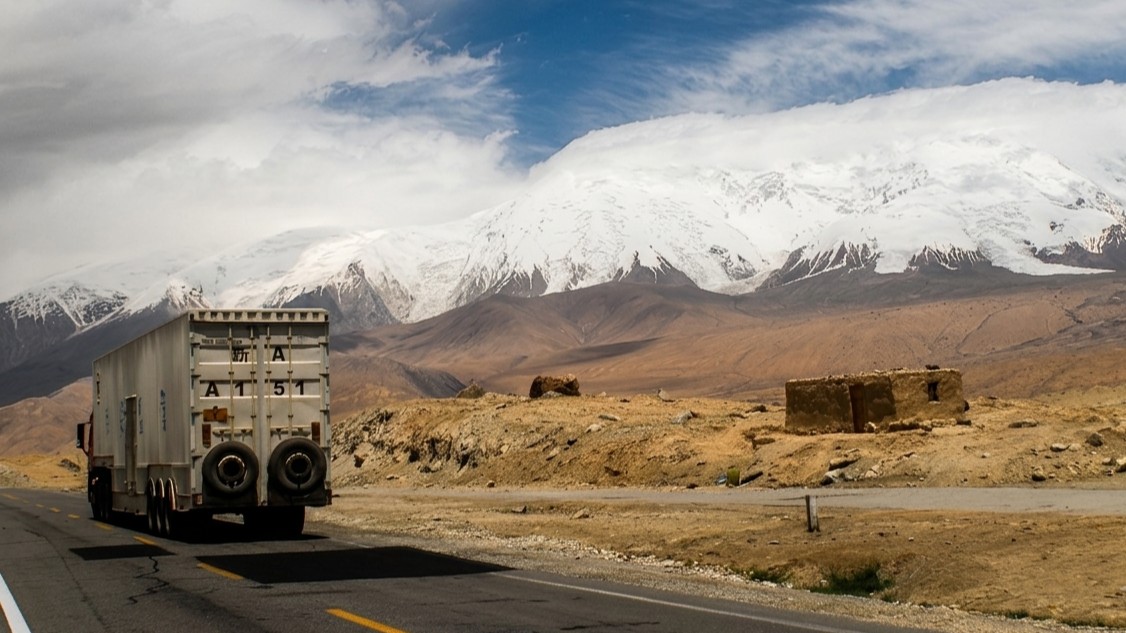
Pakistan is expected to focus on truck-based cargo transport through China.
Uzbekistan is not alone in pursuing the China route. Earlier
this year, Kyrgyzstan successfully tested an overland trade corridor to
Pakistan via China, and in early July, Bishkek and Islamabad announced plans to
strengthen their strategic partnership, signaling growing regional interest in
alternative trade networks beyond Afghanistan.