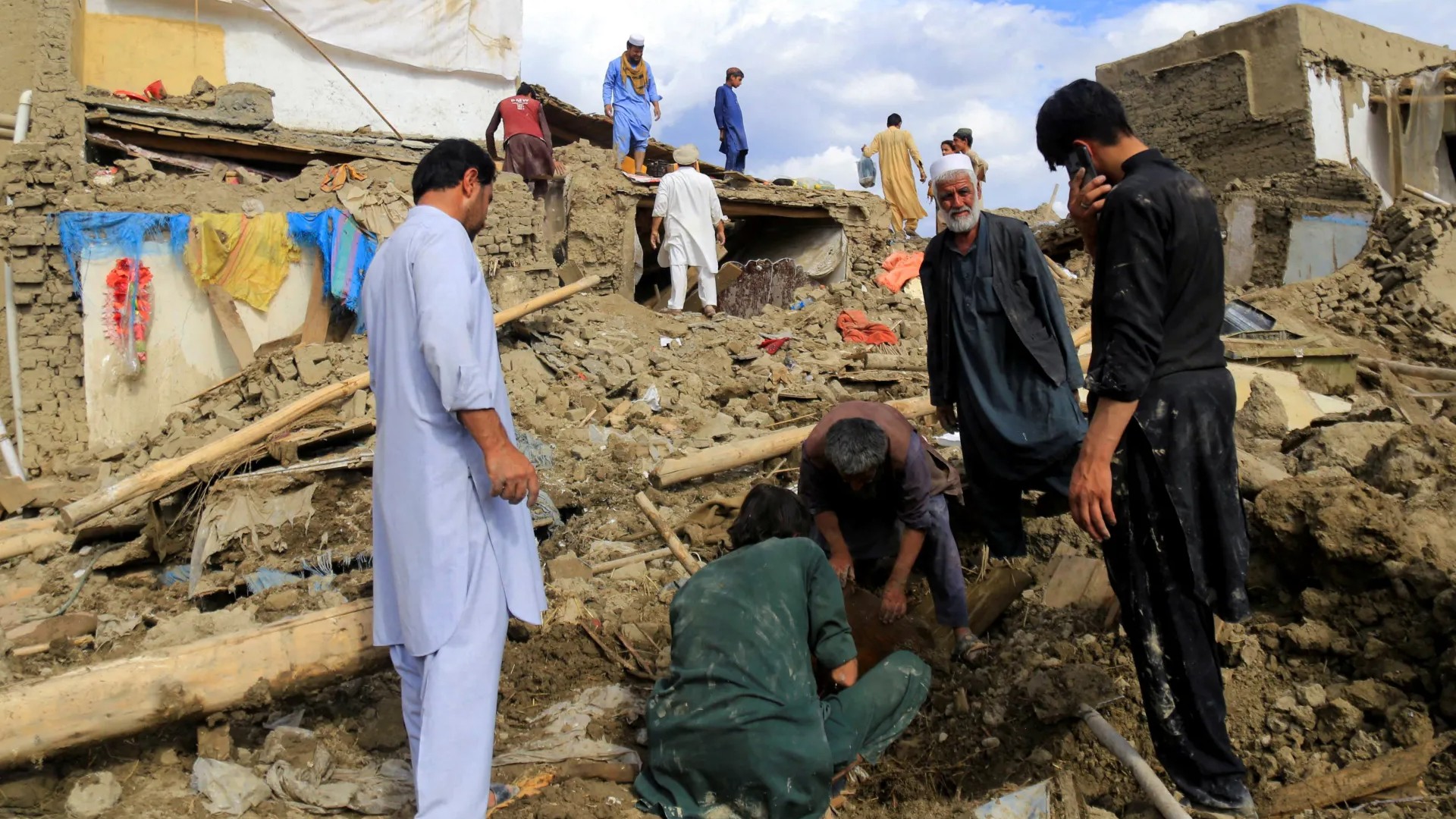
The Kabul Tribune (KT) — The World Health Organization (WHO) has released its second situation report on devastating flash floods that affected several regions of Afghanistan between July 20 and July 25, 2026, reporting loss of life, injuries, displacement and widespread damage to homes, public facilities and infrastructure.
According to the WHO report, heavy rainfall and flash floods
impacted eastern, southeastern and central parts of Afghanistan, affecting
provinces including Nuristan, Nangarhar, Laghman, Paktika, Paktia, Khost,
Ghazni, Kabul, Kapisa, Panjshir, Parwan, Logar and Maidan Wardak.
The most severe impacts in the eastern region were reported
in Parun City, the capital of Nuristan province, where local authorities
reported 23 deaths, five missing people and 125 injuries.
WHO said floods in eastern Afghanistan caused extensive
damage to homes, livelihoods and public infrastructure, leaving affected
communities in urgent need of humanitarian assistance and recovery support.
In the central region, floods on July 23 affected hundreds
of families across Kabul, Kapisa, Panjshir, Parwan, Logar and Maidan Wardak
provinces. Significant housing damage was reported in Mohammad Agha district of
Logar, Ghorband district of Parwan, and Musahi and Chahar Asyab districts of
Kabul, displacing families and limiting access to essential services.
In southeastern Afghanistan, floods between July 22 and July
25 caused deaths and widespread destruction in Paktika, Paktia, Khost and
Ghazni provinces. WHO reported that at least 26 houses were destroyed in
Sharana and Barmal districts of Paktika, where two people were killed. In
Paktia, floods affected Ahmad Aba, Sayed Karam and Zurmat districts, where two
children died in Zurmat district.
WHO said floods in Khost caused casualties and extensive
damage to homes, farmland, roads and water systems in Spera district, while
Ghazni suffered major agricultural and property losses despite no reported deaths.
The organization warned that the disaster has increased
public health risks, including the potential spread of waterborne diseases due
to damaged water infrastructure and reduced access to clean drinking water.
WHO said it has activated emergency response mechanisms,
coordinated with health authorities and humanitarian partners, and deployed
emergency medical supplies, including trauma kits and emergency health kits, to
affected areas.
The agency also deployed a surge team to Parun City to
assess health needs, evaluate medical facilities and support ongoing response
efforts. WHO said it will participate in a joint field mission with OCHA and
other United Nations agencies to Nuristan from July 27 to July 29.
As the Health Cluster lead agency, WHO said it has supported
the deployment of three mobile health teams to flood-affected areas to provide
essential health services, including primary health care, maternal and child
health services and psychosocial support.
WHO identified several challenges, including limited health
service capacity in affected areas, damaged roads and difficult geographic
access, shortages of medical supplies, power outages and risks to disease
prevention systems.
The organization said priority needs include emergency
health teams, mental health and psychosocial support, safe drinking water,
shelter assistance, restoration of damaged infrastructure, disease surveillance
and community health awareness programs.