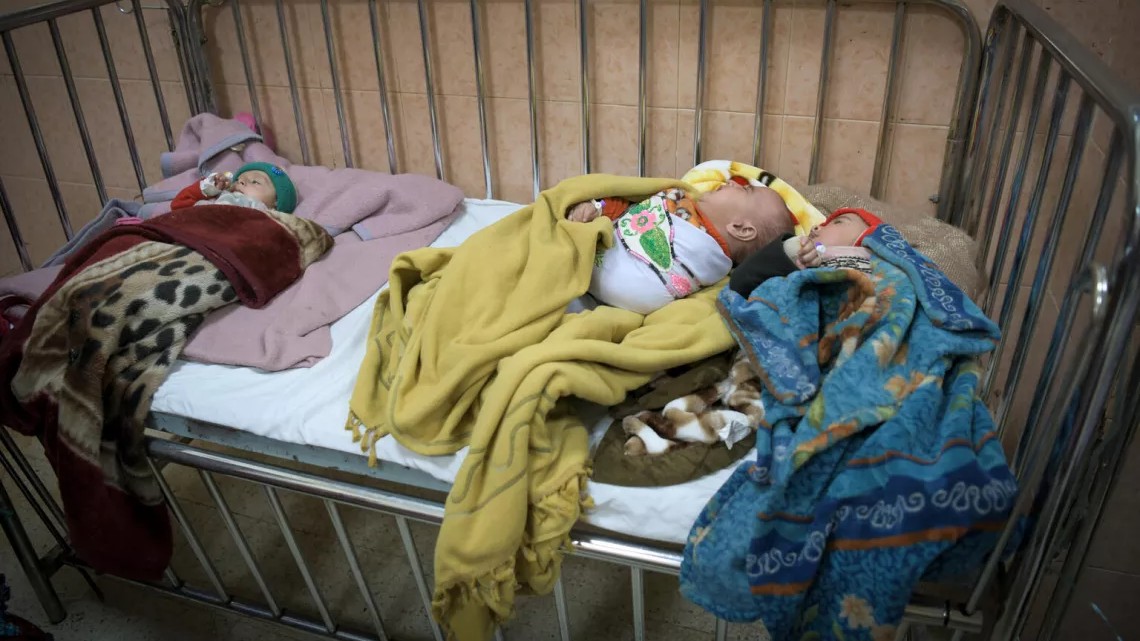
The Kabul Tribune (KT) — Nearly 1 in 10 children under age 5 in Afghanistan is suffering from acute malnutrition as deep cuts in humanitarian funding force hundreds of health facilities to close or suspend services, Save the Children said.
The aid organization said about 3.7 million children under 5
are affected by acute malnutrition in 2026, a 14% increase over the past four
years. The deterioration comes as Afghanistan enters the peak season for
malnutrition and infectious diseases contribute to rising cases.
Levels of wasting, a form of acute malnutrition in which
children are too thin for their height, worsened in two-thirds of Afghanistan’s
provinces during the second quarter of 2026 compared with the same period a
year earlier, according to U.N. data cited by Save the Children.
At the same time, nearly 600 health facilities have closed
or suspended operations because of funding cuts, affecting about 4 million
people, roughly half of them children, the organization said.
The figures highlight the growing strain on Afghanistan’s
humanitarian system five years after the Taliban returned to power. Declining
foreign assistance has collided with widespread poverty, prolonged drought and
the return of millions of Afghans from neighboring Iran and Pakistan.
Humanitarian funding for Afghanistan fell by nearly 70%,
from $3.27 billion in 2022 to about $1 billion in 2025, according to figures
cited by Save the Children. More than halfway through 2026, only $438 million
had been secured, leaving a 74% funding gap, the organization said.
“The world cannot look away,” said Ashish Damle, Save the
Children’s country director in Afghanistan. He said severe hunger, mass
returns, displacement, conflict and four years of drought were pushing already
limited humanitarian resources to their limits.
Clinics close as needs rise
Save the Children said it had temporarily kept 14 clinics
operating with short-term funding after aid cuts threatened their closure. But
the organization warned that the future of those facilities remains uncertain.
In one remote mountainous area of northern Afghanistan, Save
the Children operates the only health facility serving about 10,000 people,
according to the organization.
The clinic receives more than 100 patients a day, some of
whom walk two or three hours to reach doctors, midwives and nutrition nurses.
Traveling to a hospital in the city can cost about $60, an amount beyond the
reach of many families in the area, Save the Children said.
Without the clinic, some residents would have to walk as
long as seven hours to receive medical treatment.
One mother, identified by the organization by the pseudonym
Sama, said she depended on the free clinic for her seven children. Her husband
earns about $3 a day, according to Save the Children.
When her 9-month-old son became weak, she took him to the
clinic, where he was diagnosed with malnutrition and received treatment. His
condition has since stabilized, the organization said.
“Before this clinic was established, people had to travel to
the district clinic, which could take several hours by donkey or motorbike,”
said Marva, a nutrition nurse whose name was also changed by the organization.
Winter snow and rain can make those journeys even more
difficult, she said.
The funding cuts have already affected Save the Children’s
broader operations. About 700,000 people, including 140,000 children under 5,
have lost access to primary health services because of closures or reductions
in the organization’s health facilities and mobile health teams since early 2025,
it said.
Millions return as aid declines
Save the Children said pressure on Afghanistan’s health and
humanitarian systems has intensified as millions of Afghans return from
neighboring countries.
More than 6 million people have returned from Iran and Pakistan
as both countries have tightened requirements for Afghans to remain and carried
out deportations, the organization said.
Afghanistan’s population has grown by as much as 12% since
September 2023, adding to demand for already strained health care, food and
other essential services, Save the Children said.
Damle said the country’s crises were increasingly
reinforcing one another.
“Poverty affects nutrition. Water scarcity contributes to
illness. Illness interrupts education. Reduced household income increases child
labour,” he said.
Drought, displacement and shrinking economic opportunities
are making it increasingly difficult for families to escape that cycle, the
organization said.
Afghanistan has about 22 million children, according to Save
the Children, which warned that essential humanitarian programs are threatened
by both declining emergency assistance and a lack of longer-term development
funding.
Save the Children currently operates programs in nine Afghan
provinces and works through partners in 11 others. Last year, the organization
said, its programs reached more than 2 million people, nearly half of them
children.
Its clinics treated nearly 5,000 children for severe acute
malnutrition and provided about 1.4 million outpatient consultations, according
to the organization.
“The international community now faces a choice,” Damle
said. “Continue responding only after families reach breaking point, or act
early enough to protect children’s lives, rights and futures.”







