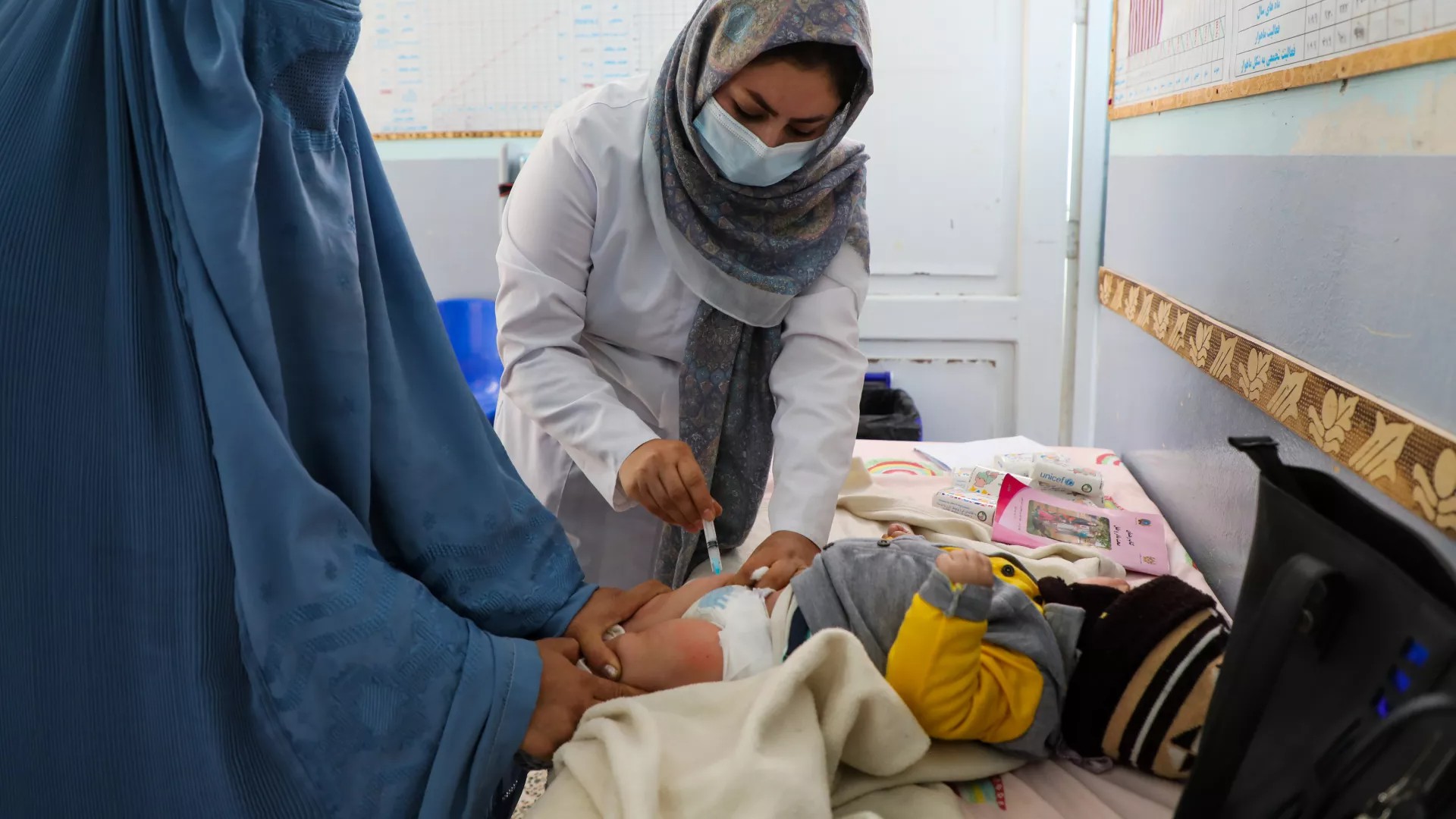
The Kabul Tribune (KT)-- Funding cuts to humanitarian operations in Afghanistan have forced the closure of more than 100 health centers, reducing access to lifesaving nutrition and medical services for millions of children, a senior United Nations official said.
Melissa Fleming, the U.N. undersecretary-general for global
communications, said in a post on X on Saturday that the closures come as
Afghanistan faces a worsening child malnutrition crisis.
Fleming said about 3.7 million children across Afghanistan
are suffering from acute malnutrition, including around 1 million children with
severe forms of the condition that can be life-threatening.
The closure of health facilities has made it harder for
children with acute malnutrition to receive treatment, therapeutic food and
other essential nutrition services, she said.
The reductions come after months of warnings from U.N.
agencies and humanitarian organizations that funding for Afghanistan has
declined sharply. Aid groups have been forced to scale back health, nutrition
and emergency assistance programs as they struggle to meet growing needs with
fewer resources.
Millions of Afghans remain dependent on humanitarian
assistance for basic health care and food, particularly children, pregnant
women and displaced families. The country continues to face the effects of
decades of conflict, economic hardship and recurring natural disasters.
U.N. agencies have warned that further funding shortages
could lead to additional closures or suspension of health and nutrition
programs, increasing the risks of disease, hunger and preventable deaths among
vulnerable communities.
Humanitarian organizations have urged international donors
to increase funding for Afghanistan, saying the country remains one of the
world's largest humanitarian crises despite a decline in global financial
support.
The funding shortfall comes as aid agencies face difficult
choices over which programs can continue operating, with health and nutrition
services among those under increasing pressure.







