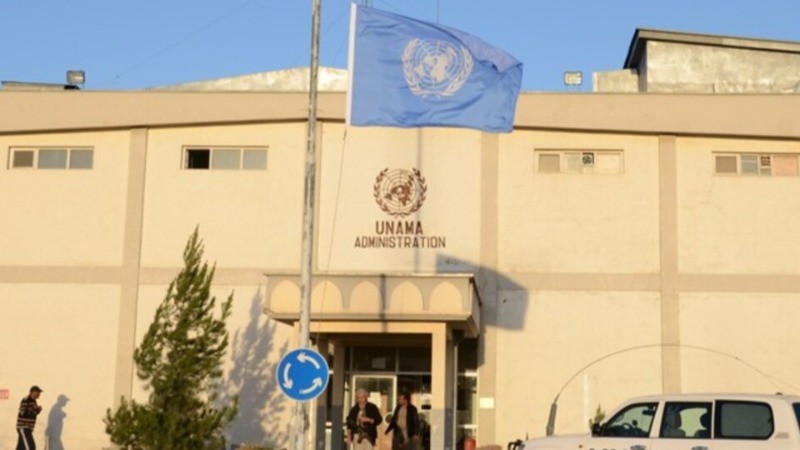
The Kabul Tribune (KT) — Victims of Afghanistan's decades of armed conflict have been left without access to justice, adequate assistance or proper acknowledgement of the harm they suffered, the United Nations said in a new report.
The report by the U.N. Assistance Mission in Afghanistan, or UNAMA, focuses primarily on the period from the U.S.-led military intervention in 2001 until the Taliban returned to power on Aug. 15, 2021.
Based on interviews with 195 victims of armed conflict and their relatives, the report says the effects of the conflict continue to affect survivors and their families.
Nearly all those interviewed, or 95%, reported emotional or psychological harm, including depression, anxiety, flashbacks and other trauma-related symptoms, UNAMA said. Fifty-eight percent said they suffered physical harm as a result of the conflict, with many reporting chronic pain or disabilities caused by their injuries.
“The interviews we conducted highlight the depth and breadth of collective trauma that continues within Afghan society,” said Georgette Gagnon, the deputy special representative of the U.N. secretary-general for Afghanistan and UNAMA's officer-in-charge.
“It is evident that what happened in the past continues to affect many victims and their families today,” she said.
According to the report, victims described being unable to afford medical treatment, repair damaged homes or support their families after suffering the consequences of armed conflict.
UNAMA said women widowed by the conflict often face additional economic insecurity, particularly because restrictions imposed by Afghanistan's de facto Taliban authorities limit their access to employment.
The report also pointed to significant barriers to justice and assistance. Fifty-five percent of those interviewed said they had never sought justice, compensation or another form of redress, often because they believed their concerns would not be taken seriously or because they feared retaliation.
Of those who did seek assistance or accountability, 64% said their efforts were unsuccessful, according to the report. Interviewees cited bureaucratic obstacles, a lack of response, perceived discrimination and limited transparency in dealing with authorities or institutions.
When asked about their needs, 81% of those interviewed identified financial compensation as a priority. Forty-eight percent cited access to justice, while 47% called for measures to prevent violations from happening again.
UNAMA called for a comprehensive, victim-centered approach to addressing the legacy of Afghanistan's decades of armed conflict. The mission urged parties with responsibilities arising from the conflict to support accountability efforts and contribute to measures addressing the rights and needs of victims.
The report also recommended that Afghanistan's de facto authorities establish comprehensive programs for redress and other assistance to ensure the rights of victims and people affected by armed conflict are addressed.
UNAMA further called on U.N. member states to provide humanitarian assistance to Afghanistan that takes into account the needs and priorities of victims of the country's armed conflicts.







