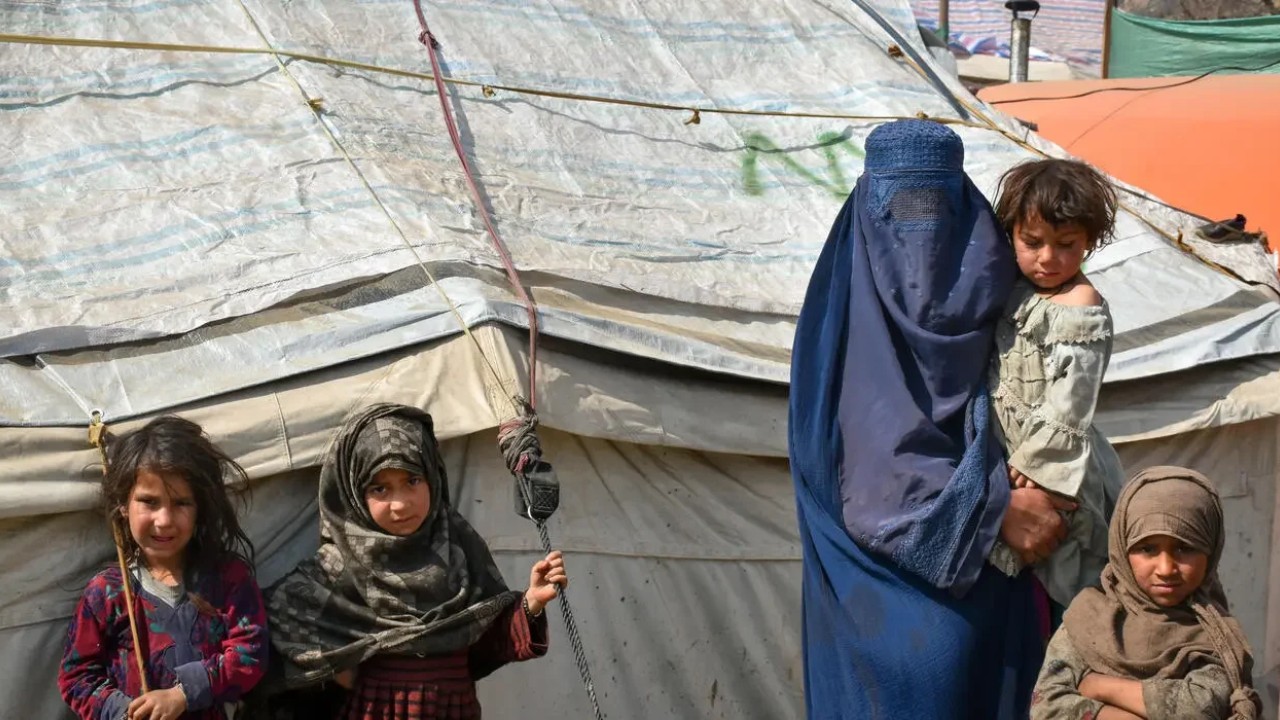
The Kabul Tribune (KT) — A severe funding shortfall is forcing humanitarian organizations in Afghanistan to cut assistance, close facilities and reduce services in areas of greatest need, the United Nations warned, saying the gap could further deepen the country's humanitarian crisis in the coming months.
The U.N. Office for the Coordination of Humanitarian Affairs
said Afghanistan's 2026 Humanitarian Needs and Response Plan requires $1.71
billion to provide life-saving assistance. As of Aug. 26, donors had provided
$509.3 million, or 29.7% of the required funding, according to OCHA's Financial
Tracking Service.
The funding gap has already affected humanitarian operations
across all sectors, OCHA said. During the first half of 2026, aid organizations
reported closures of facilities and service points, suspended assistance,
reduced geographic coverage and disruptions to supply pipelines.
While some additional funding has not yet been reflected in
the U.N. financial tracking system, including at least $147 million identified
through in-country reconciliation and $253 million in funding carried over from
2025, OCHA said the additional resources do not make up for the significant
shortfalls across the humanitarian response.
The impact is being felt not only in the number of people
receiving assistance but also in the availability and continuity of essential
services in areas with high humanitarian needs, the U.N. office said.
The funding crisis is unfolding amid continuing food
insecurity and malnutrition, large-scale returns of Afghans from neighboring
countries, climate-related shocks, inadequate basic services and restrictions
affecting women and girls.
More than 555,000 households live in districts classified as
having an inter-sectoral severity level of 4, where humanitarian assistance
remains a critical lifeline because livelihoods, public services and household
resources are unable to meet basic needs, according to OCHA.
Humanitarian organizations are increasingly being forced to
decide where they can operate, whom they can reach and which services they can
continue providing, the U.N. office said.
The consequences could extend beyond programs that have
already been cut or suspended. OCHA warned that when prevention and early
intervention programs are lost, humanitarian needs can become more severe. The
closure of services can place greater pressure on remaining facilities, while
delays in assistance leave vulnerable households with fewer ways to cope.
People living in remote areas, communities repeatedly
affected by shocks, returnees and households already facing severe poverty and
limited access to basic services are among those most affected by the funding
shortfall, the report said.
“The cost of inaction cannot therefore be simply measured in
services that cannot be delivered today,” OCHA said, warning that needs could
become more severe, more expensive and harder to reverse.
If current funding gaps continue during the second half of
2026, OCHA said Afghanistan could see additional closures of health facilities
and mobile health teams.
Nutrition treatment and prevention programs could also be
reduced during the peak wasting season, while food assistance and agricultural
support could face constraints ahead of the planting and winter seasons.
The U.N. office also warned of further reductions in
protection services, delays in shelter and seasonal assistance and an inability
to expand education and water, sanitation and hygiene services in areas of
greatest need.
Those reductions could leave more people without timely
assistance, allow preventable humanitarian needs to worsen and further weaken
the ability of already vulnerable communities to withstand the coming winter
and future shocks, OCHA said.
The agency called for timely and predictable funding to
maintain essential services, prevent further deterioration and preserve the
capacity to respond to new emergencies.







