The Kabul Tribune (KT) — Iranian authorities have canceled
about 204,000 registration papers held by Afghan migrants in Fars province, and
those who lack valid residency permits will be considered undocumented, a
provincial official said.
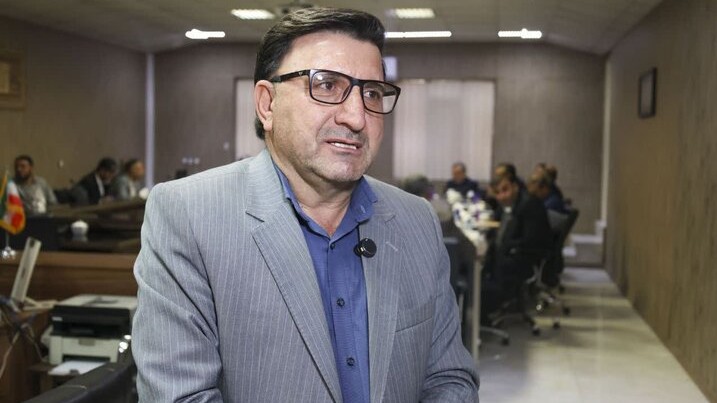
Majid Ahmadi, director general of the Department of Foreign
Nationals and Migrants in Fars, told Mehr News Agency that Iran’s government
and National Migration Organization are seeking to regulate the status of
foreign migrants and move toward legal entry and residency.
People without valid residency documents — including those
who hold registration papers but lack a valid permit — are considered
undocumented and are not eligible for public services, Ahmadi said.
Migrants with valid residency documents can access services
including education, health care and social services in accordance with Iranian
regulations, he said.
104,000 Migrants Returned
Ahmadi said about 104,000 undocumented migrants have so far
been expelled from Fars province and returned to their countries of origin as
part of a government campaign to regulate the status of foreign migrants.
He said some of those migrants could attempt to re-enter
Iran illegally, a possibility authorities are also considering as part of the
process.
Ahmadi stressed that registration papers do not constitute
legal residency permits in Iran.
He also said an announcement allowing foreign migrant
students to register for school had encouraged some undocumented migrants to
remain in Iran so their children could continue their education.
Iran’s National Migration Organization does not intend to
allow undocumented migrants to remain in the country, Ahmadi said. Those
migrants must return to their countries of origin and, if they want to come
back, use legal channels, he said.
Legal Entry for Foreign Workers
Ahmadi said Iranian employers can request foreign workers
through established procedures.
Job seekers can apply through an Iranian embassy in their
country of origin and, after approval by the relevant authorities, legally enter
Iran to work in sectors where foreign workers are needed, he said.







