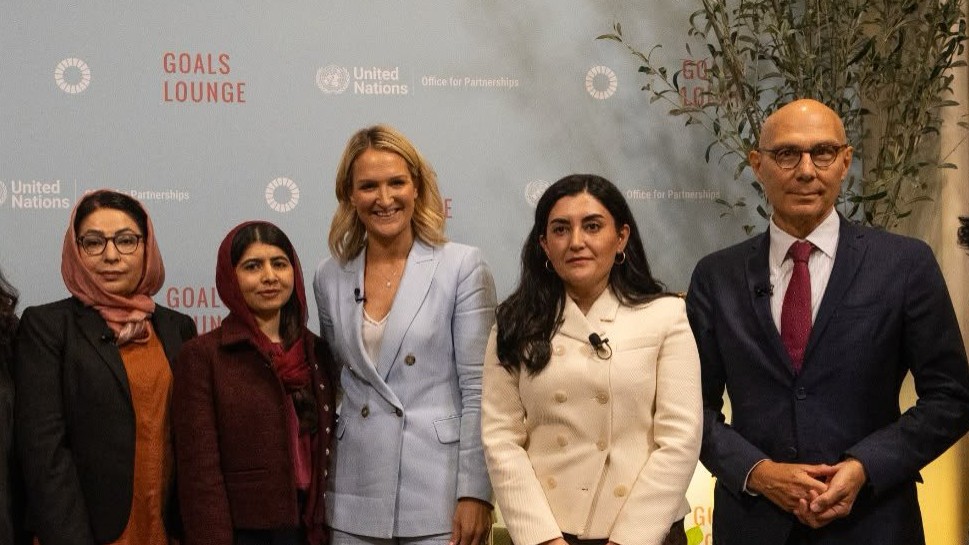
The Kabul Tribune (KT)— United Nations High Commissioner for Human Rights Volker Türk has called on the international community to break what he described as a “deafening silence” over the treatment of women and girls in Afghanistan under Taliban rule.
In a post on X, Türk said a recent meeting had urged the
world to take action against what he described as gender apartheid in
Afghanistan. “The plight of women and girls demands our action — their voices
must be heard,” he said, highlighting the role of civil society and advocates in
pressing for change.
Türk’s remarks come as the United Nations continues to
document severe restrictions on women and girls in Afghanistan. The U.N. says
Taliban policies have effectively excluded women and girls from much of public
life, including secondary and higher education and most employment, while also
restricting their freedom of movement, access to health care and participation
in public affairs. (
More than 2.6 million girls have been denied access to
secondary education since the Taliban returned to power in 2021, according to
the United Nations. A U.N. event this week described Afghanistan as facing a
deepening humanitarian, socioeconomic and human rights crisis, with women and
girls subjected to more than 200 laws and decrees restricting their rights and
participation in public life.
Türk has previously described the system of discrimination
against Afghan women and girls as resembling gender apartheid. In February, he
told the U.N. Human Rights Council that women and girls face extreme gender-based
discrimination and oppression and said their exclusion from public life had
effectively been criminalized by the Taliban authorities.
The Taliban authorities have defended their policies as
consistent with their interpretation of Islamic law and Afghan culture. Their
restrictions on women and girls, however, have drawn sustained criticism from
the United Nations and rights organizations.







