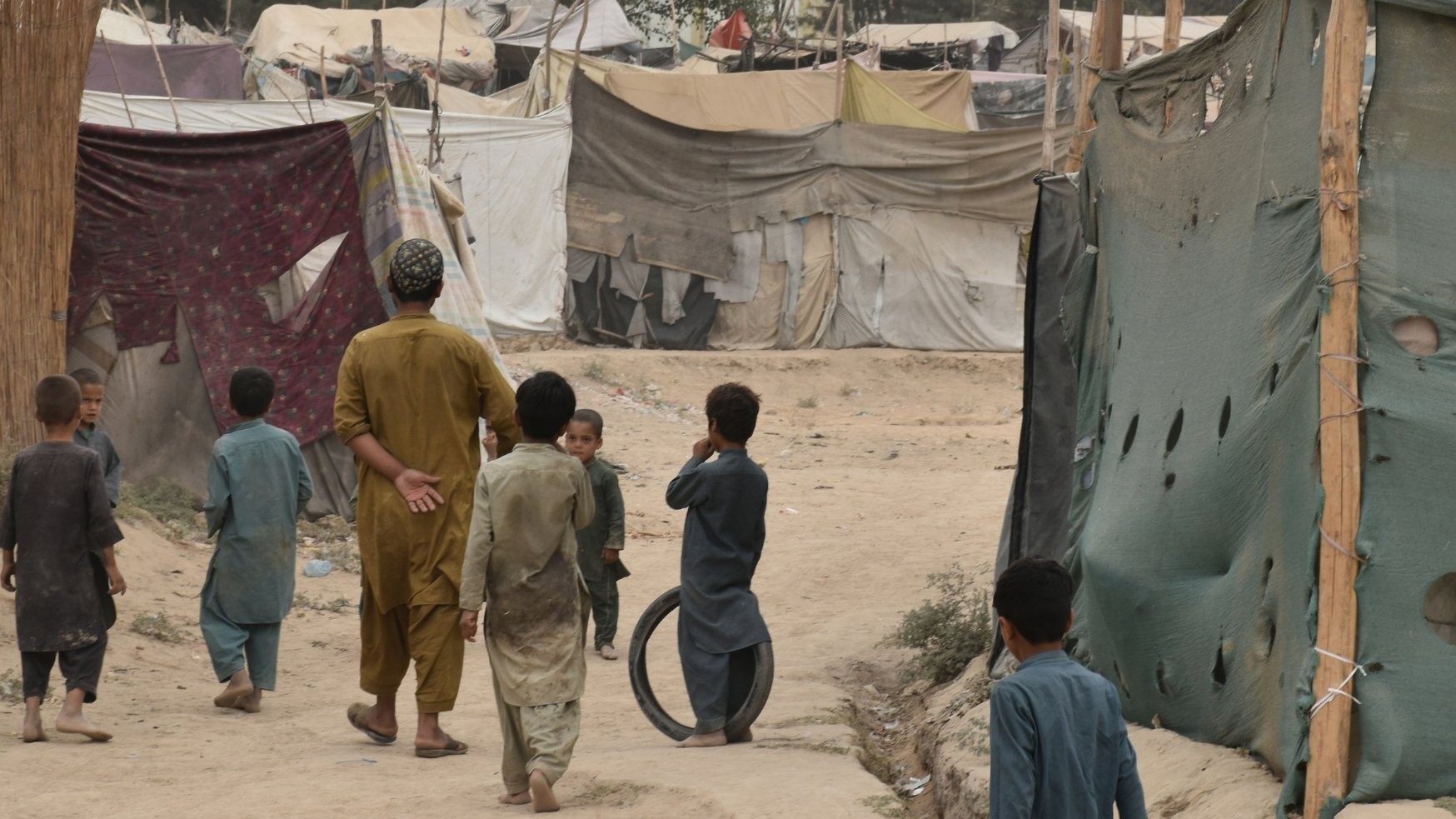
The Kabul Tribune (KT) — Thousands of families returning to Afghanistan urgently need adequate shelter, warmth, protection and essential humanitarian assistance as winter approaches, the United Nations Office for the Coordination of Humanitarian Affairs in Afghanistan said, warning that assistance cannot wait as the country faces a deepening humanitarian crisis and severe funding shortages.
“Winter cannot wait. Neither can humanitarian assistance,”
OCHA Afghanistan said.
The warning comes as millions of Afghans struggle with
poverty, food insecurity and limited access to basic services, while
large-scale returns from neighboring countries are adding pressure on
communities already facing significant humanitarian needs.
OCHA’s 2026 Humanitarian Needs and Response Plan requires
about $1.71 billion to assist people in need. As of Aug. 26, the U.N. agency’s
financial tracking system had recorded about $509.3 million, or 29.7% of the
required amount, according to its August report, Afghanistan:
The funding shortfall has already affected humanitarian
operations. OCHA reported that during the first half of 2026, aid partners
faced service-point and facility closures, suspended assistance, reduced
geographic coverage and disruptions to supply pipelines. The agency warned that
continued funding gaps could further restrict food assistance, health services,
nutrition programs, protection services and seasonal support during the second
half of the year.
Returns add pressure to humanitarian needs
Afghanistan is also facing continued large-scale returns
from Pakistan and Iran. A U.N. response plan published in May projected that
nearly 2.7 million Afghans would return between April and December 2026.
The plan requires $529.2 million to provide immediate
assistance at border crossings and support longer-term reintegration in 35
priority districts. Its priorities include shelter, health care, education,
clean water and sanitation, protection and livelihood support.
Returning families often need immediate help to find shelter
and meet basic needs as they rebuild their lives. The approaching winter adds
urgency to those requirements, particularly for households with limited income
and few resources to prepare for colder weather.
Millions need humanitarian assistance
According to figures cited by OCHA in early October, about
21.9 million people in Afghanistan need humanitarian assistance, while only
around 31% of the funding required for the 2026 response plan had been secured.
On Oct. 6, the agency announced that $18 million had been allocated to
Afghanistan through the U.N. Central Emergency Response Fund to help address
urgent needs.
The additional funding comes as humanitarian organizations
face difficult decisions over which needs they can address with available
resources. OCHA has warned that if funding gaps persist, more services could be
reduced or suspended, leaving vulnerable households with fewer options to cope
with poverty, displacement and seasonal hardships.
OCHA’s latest winter warning underscores the need for timely
assistance to families returning to Afghanistan and communities hosting them.
Adequate shelter, warmth, protection and essential supplies are among the
immediate priorities as temperatures begin to fall.
The agency’s message is clear: humanitarian assistance must
reach vulnerable families before winter conditions make their circumstances
more difficult.
Editorial note: The funding figures above reflect
different reporting dates: 29.7% as of Aug. 26 in OCHA’s report and
approximately 31% in an Oct. 6 report citing OCHA. They should not be presented
as if measured on the same date.







