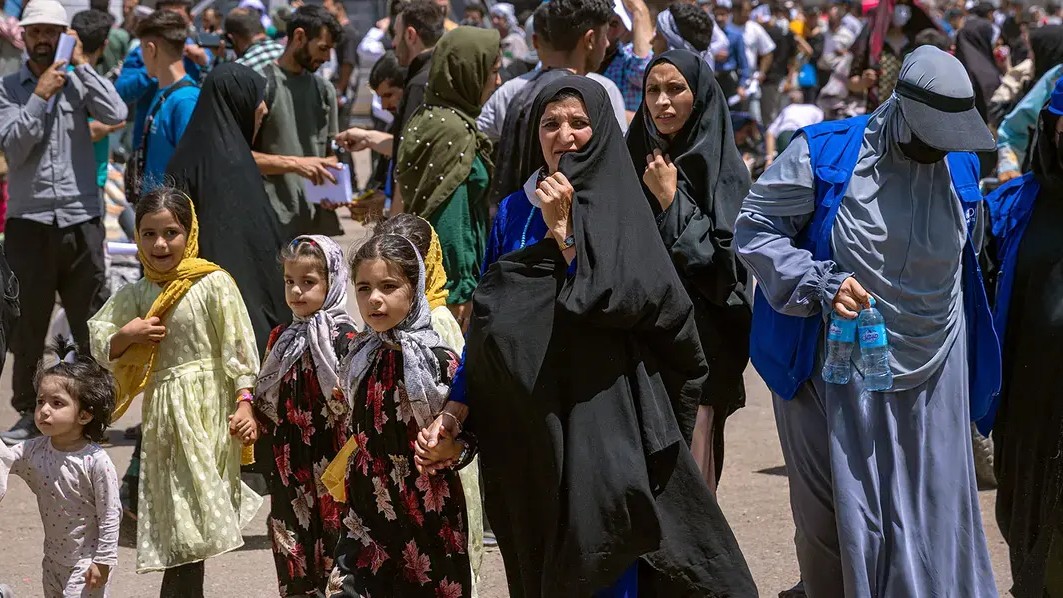
The Kabul Tribune (KT) — The U.N. high commissioner for refugees has called for greater international investment to support the reintegration of Afghan returnees, warning that millions have returned from neighboring countries under difficult circumstances as communities in Afghanistan struggle with poverty, limited public services and restrictions on women and girls.
Speaking at the 77th session of the Executive Committee of the U.N. refugee agency, the high commissioner said nearly 7 million people had returned to Afghanistan from neighboring countries since late 2023, often under difficult conditions and not always voluntarily.
He said U.N. agencies and other partners, including the U.N. refugee agency and the U.N. Development Programme, were helping support the returnees’ reintegration. But he stressed that the scale of the challenges required significantly more international assistance.
The high commissioner also highlighted restrictions imposed on Afghan women and girls, recounting a poem written by a young Afghan girl he met in Kabul earlier this year. The girl had written it for another Afghan girl, focusing on education, courage and hope, and emphasizing that a person’s abilities and worth exceed any limitations imposed on them.
“Never forget you’re not alone. Your voice matters and your dreams are valuable,” the girl wrote.
The high commissioner said the words had stayed with him, adding that Afghan girls should not have to be exceptional to enjoy an ordinary future — including access to education, the freedom to make their own choices and the opportunity to become who they want to be.
He said Afghan girls and millions of others like them were not asking the international community to dream on their behalf, but to give them the opportunity to pursue their own aspirations.
He urged world leaders to translate their commitments into concrete decisions and action, saying they had the power to make a difference.
“History will remember how we choose to use it,” he said.







