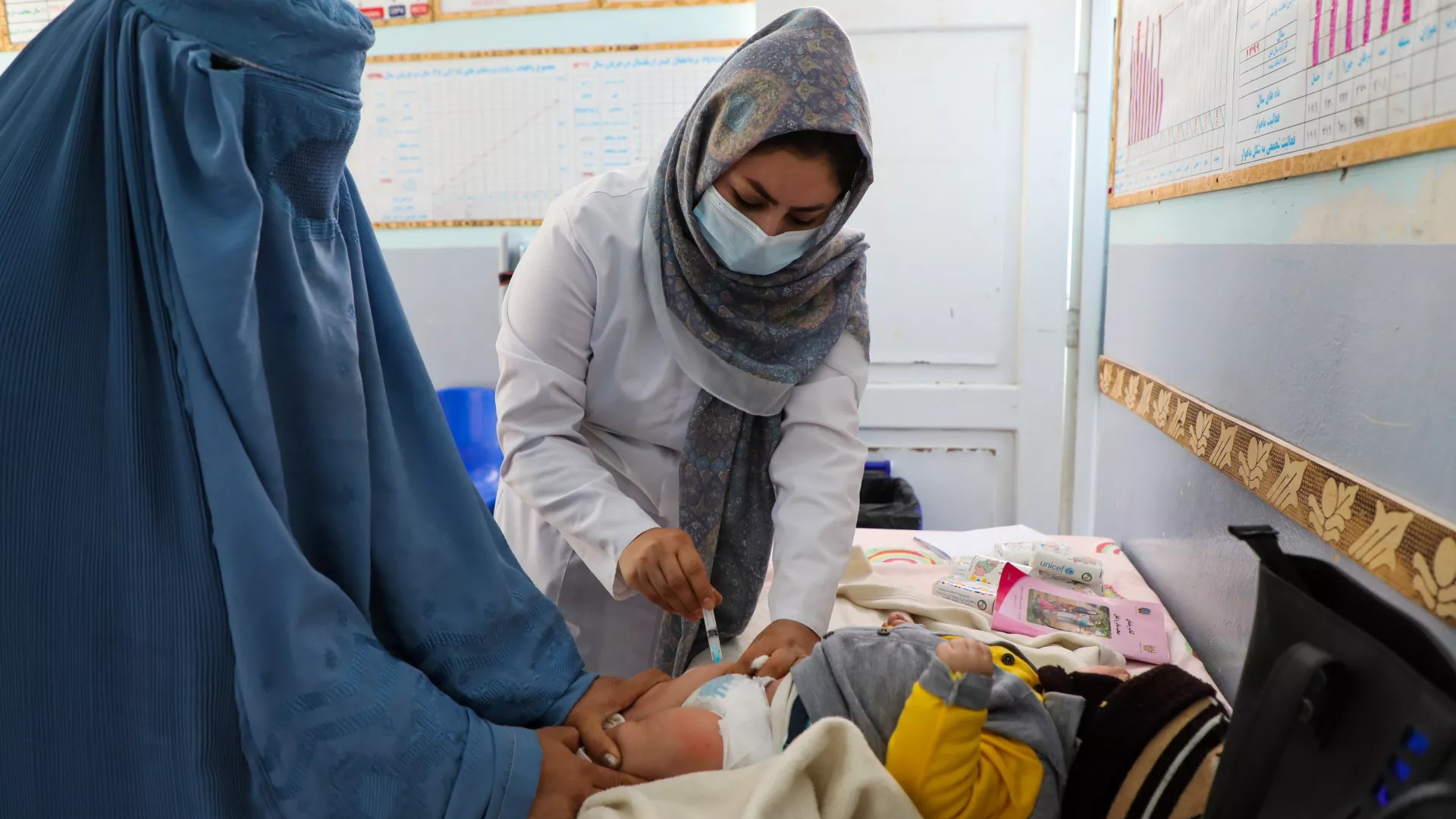
The Kabul Tribune (KT) — Health workers in Afghanistan are reviewing maternal and newborn deaths in hospitals to identify gaps in care and prevent similar tragedies, as the country’s health system faces persistent challenges in providing services to mothers and babies.
Through the Maternal and Newborn Death Surveillance and
Response system, medical teams examine individual cases, identify shortcomings
and agree on practical steps to improve care, the World Health Organization
said Monday.
For Farzana, a midwife at Nangarhar Provincial Hospital,
reviewing the death of a mother or newborn is difficult but necessary.
“We remember each case,” she said. “But when we sit together
and look carefully at what happened, we can at least assess what needs to be
improved.”
The initiative is supported financially by the Asian
Development Bank, with technical assistance from WHO and collaboration with
Afghanistan’s health authorities.
Since WHO-supported work on the system began in Afghanistan
in 2003, more than 900 health workers and managers have received training.
Teams at 50 supported hospitals have reviewed maternal and newborn deaths to
better understand their causes and identify changes needed in clinical care,
WHO said.
The reviews have highlighted complications including severe
bleeding, eclampsia and sepsis among mothers, as well as premature birth, birth
asphyxia and neonatal sepsis among newborns.
Findings are shared with health workers and hospital
managers to help them identify gaps and improve practices. According to WHO,
the process has helped hospitals strengthen referral systems, improve clinical
procedures and provide better support to mothers and newborns at greatest risk.
“Every maternal and newborn death is a profound loss, and
every review is an opportunity to learn and act,” said Dr. Edwin Ceniza
Salvador, WHO’s representative in Afghanistan.
“With the support of partners, including the Asian
Development Bank, WHO is helping health workers use evidence to improve care
quality and prevent avoidable deaths,” he said.
Since 2025, WHO, with support from the Asian Development
Bank, has continued implementing the system in 22 hospitals across 10 provinces
and expanded its coverage to 28 health facilities in seven additional
provinces, the organization said.
The system is intended to turn reviews of deaths into
practical improvements in care, helping health workers identify problems and
reduce the risk of preventable deaths among mothers and newborns.







