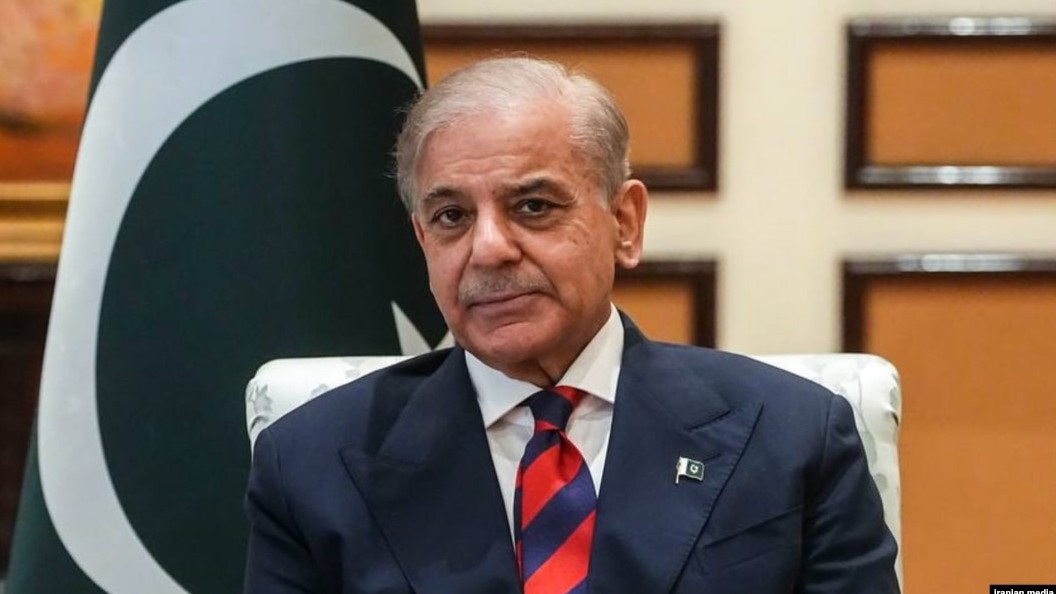
Driven by geopolitical shocks that have severely impacted global energy corridors, the standard cost of living across Pakistan has surged. In response to this unprecedented strain, Prime Minister Shehbaz Sharif introduced a targeted social safety net: the Prime Minister’s Special Fuel Relief Scheme. Intended to shield vulnerable lower-income segments from soaring petroleum prices, the Rs. 75 billion federal allocation represents an immediate, pragmatic fiscal intervention. An analysis of its deployment indicates that the digital-first subsidy program has registered considerable success, successfully providing financial relief directly to citizens who need it most.
Direct Financial Relief for Vulnerable Livelihoods
The foundational strength of the scheme lies in its highly targeted criteria. Rather than deploying a blanket fuel subsidy—which historically drains national reserves while disproportionately benefiting high-income vehicle owners—this program explicitly caters to citizens driving motorcycles, rickshaws, Qingqis, and small cars with engine capacities up to 800cc. For delivery riders, public transit workers, and low-wage daily commuters, fuel is not a luxury; it is a critical operational cost.
Under the policy framework, motorcycle and three-wheeler operators receive Rs. 500 in weekly fuel assistance, translating into a crucial monthly saving of Rs. 2,000. For small-car owners (such as those driving a Suzuki Alto, Mehran, or Bolan), the scheme provides an impactful Rs. 100-per-litre discount on up to 30 litres per month, resulting in a direct monthly saving of Rs. 3,000. According to government metrics, over 10 million citizens have successfully benefited from the initiative. When extending this economic cushion to immediate household families, the program effectively supports an estimated 50 million individuals nationwide, restoring localized purchasing power at a critical juncture.
Technological Architecture and Efficiency
A major factor behind the scheme's rapid deployment is its underlying digital infrastructure. Developed by the Ministry of Information Technology and Telecommunication (MoITT), the system bypasses complex bureaucratic red tape. Motorists can verify their eligibility and register seamlessly by sending a basic SMS containing their CNIC and vehicle details to 9771. This system removes the prerequisite of owning a smartphone, making the process highly accessible to rural and low-literacy demographics.
Once an applicant is registered, requesting the text "TOK" to 9771 generates a unique, single-use digital token immediately redeemable at any participating petrol station across Pakistan. This framework significantly mitigates fraud, double-claiming, and artificial supply hoards by cross-referencing vehicle registration data instantly. Furthermore, to secure the support of private retail networks, the State Bank of Pakistan (SBP) implemented a automated reimbursement mechanism that settles claims from petroleum dealers within a strict 48-hour window, preventing supply disruptions.
Adaptive Governance and Inclusivity
A recurring critique of public welfare projects in developing economies is their rigidity. However, the fuel relief program has demonstrated notable agility by adapting directly to public feedback. Initially, administrative parameters limited the subsidy to vehicles under 15 years old and mandated a minimum fuel purchase of five litres per transaction. Recognizing that the poorest citizens often operate older vehicles and purchase fuel in small, daily quantities, the Prime Minister expanded the vehicle age limit to 20 years (covering models registered on or after January 1, 2006) and completely eliminated the minimum purchase quota. SMS registration fees were also waived, and the ownership rule was modified so that daily wage earners who drive rented or family-owned vehicles could still utilize the subsidy.
Balances on the Fiscal Tightrope
While the domestic impact on public welfare is undeniably positive, the scheme operates within a delicate macroeconomic landscape. Pakistan remains anchored to a strict $7 billion International Monetary Fund (IMF) program. In international financial oversight circles, untargeted energy subsidies are viewed with skepticism due to their potential to skew fiscal deficits.
To maintain its fiscal commitments, the federal government has intentionally limited the initial scope of the fuel relief budget to a three-month rolling window. The program is funded via austerity cutbacks elsewhere—including a 50 percent reduction in fuel allocations for official government vehicles and strict bans on non-essential state expenditures. By substituting state-level luxury spending for grassroots public relief, the government has argued that the program acts as a temporary, non-inflationary buffer against external energy shocks rather than a permanent structural deficit risk.
Conclusion
The Prime Minister’s Fuel Relief Scheme offers a compelling template for crisis-era governance. By combining target-specific economic criteria, an inclusive digital distribution system, and adaptive policy adjustments, the state has delivered concrete financial relief to millions of working-class households. As the country navigates global volatility, the scheme underscores a critical reality: effective public welfare does not require sweeping market distortions. Instead, as demonstrated by the millions of tokens redeemed at fuel stations daily, success lies in executing smart, transparent, and direct assistance to stabilize the vulnerable foundations of the national economy.
Jill Andrious is an experienced analyst and commentator
on South Asia and the Middle East. The views expressed in this article are
solely those of the author and do not necessarily reflect the editorial stance
of The Kabul Tribune.







