The Kabul Tribune (KT) — An analysis by legal expert Kate McInnes argues that the International Criminal Court should expand its investigation into Afghanistan to include broader forms of systemic repression beyond gender-based persecution under Taliban rule.
The article says gender persecution has been a defining
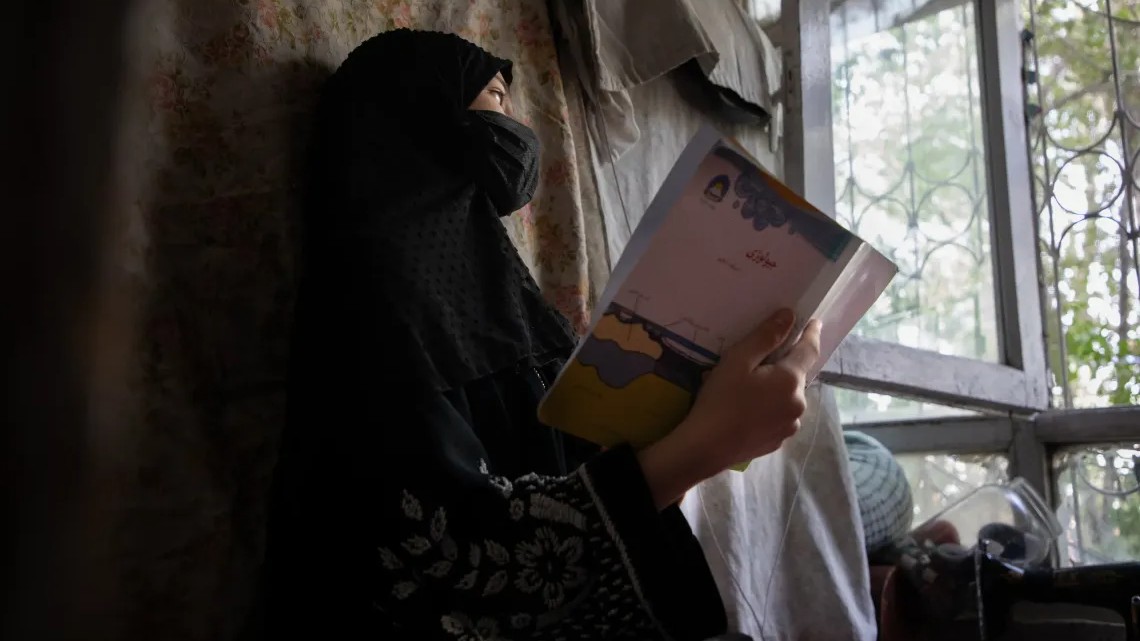
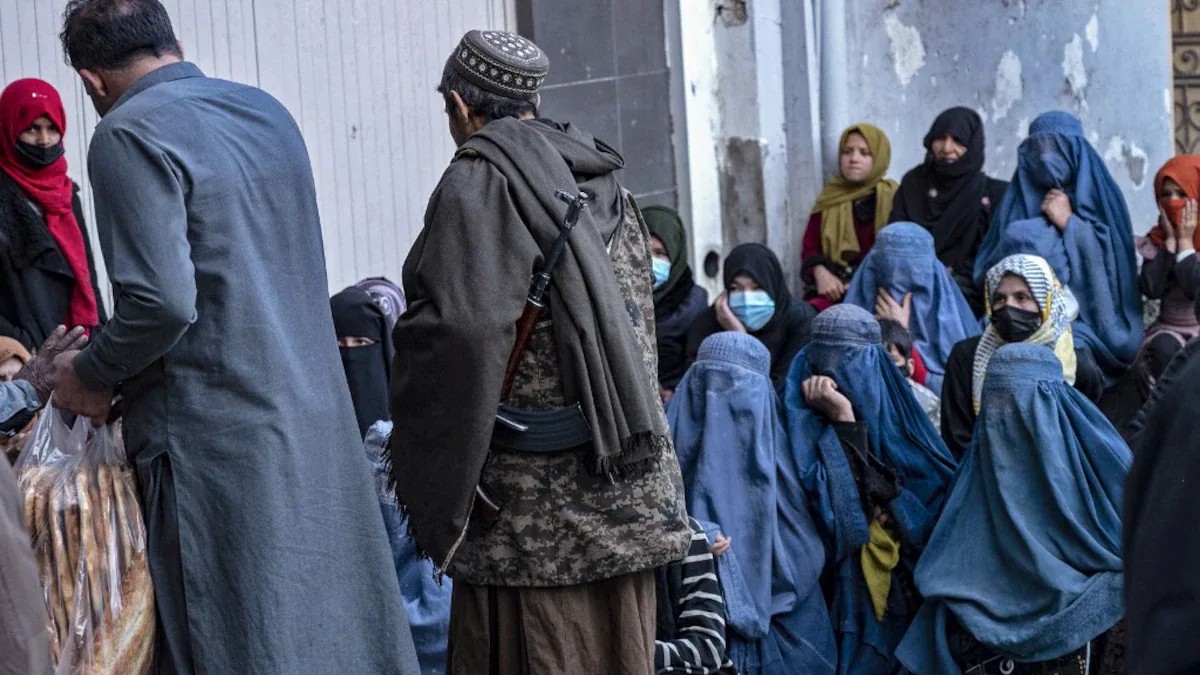
feature of Taliban governance since 2021, with women and girls facing severe
restrictions on education, movement, and participation in public life. It notes
that the ICC has already taken steps by authorizing investigations and issuing
arrest warrants against senior Taliban figures, including Haibatullah
Akhundzada and Abdul Hakim Haqqani.
However, the analysis argues that focusing solely on gender
risks overlooking a wider system of repression embedded in legal and
institutional frameworks.
A key example cited is the Taliban’s 2026 Criminal
Procedural Regulation, particularly Article 9, which reportedly establishes
different punishments based on social status. According to the analysis, the regulation
categorizes people into groups such as religious scholars, elites, middle
class, and lower class, with penalties ranging from warnings for higher-status
individuals to imprisonment or physical punishment for lower-status groups.
The author argues that such provisions undermine the
principle of equality before the law and may amount to persecution under
international law, as they impose unequal treatment based on identity rather
than conduct.
The report also highlights concerns that vague
classifications could allow authorities to apply laws arbitrarily, potentially
targeting marginalized communities or critics while shielding those aligned
with the ruling system.
While acknowledging the importance of addressing
gender-based crimes, the analysis calls for a more comprehensive approach that
examines how multiple forms of discrimination — including those based on social
status, religion, and ethnicity — intersect within a broader system of control.
The discussion comes as international scrutiny of
Afghanistan’s human rights situation continues, with experts warning that
limiting accountability efforts to a single category of abuse could fail to
capture the full scope of alleged violations.