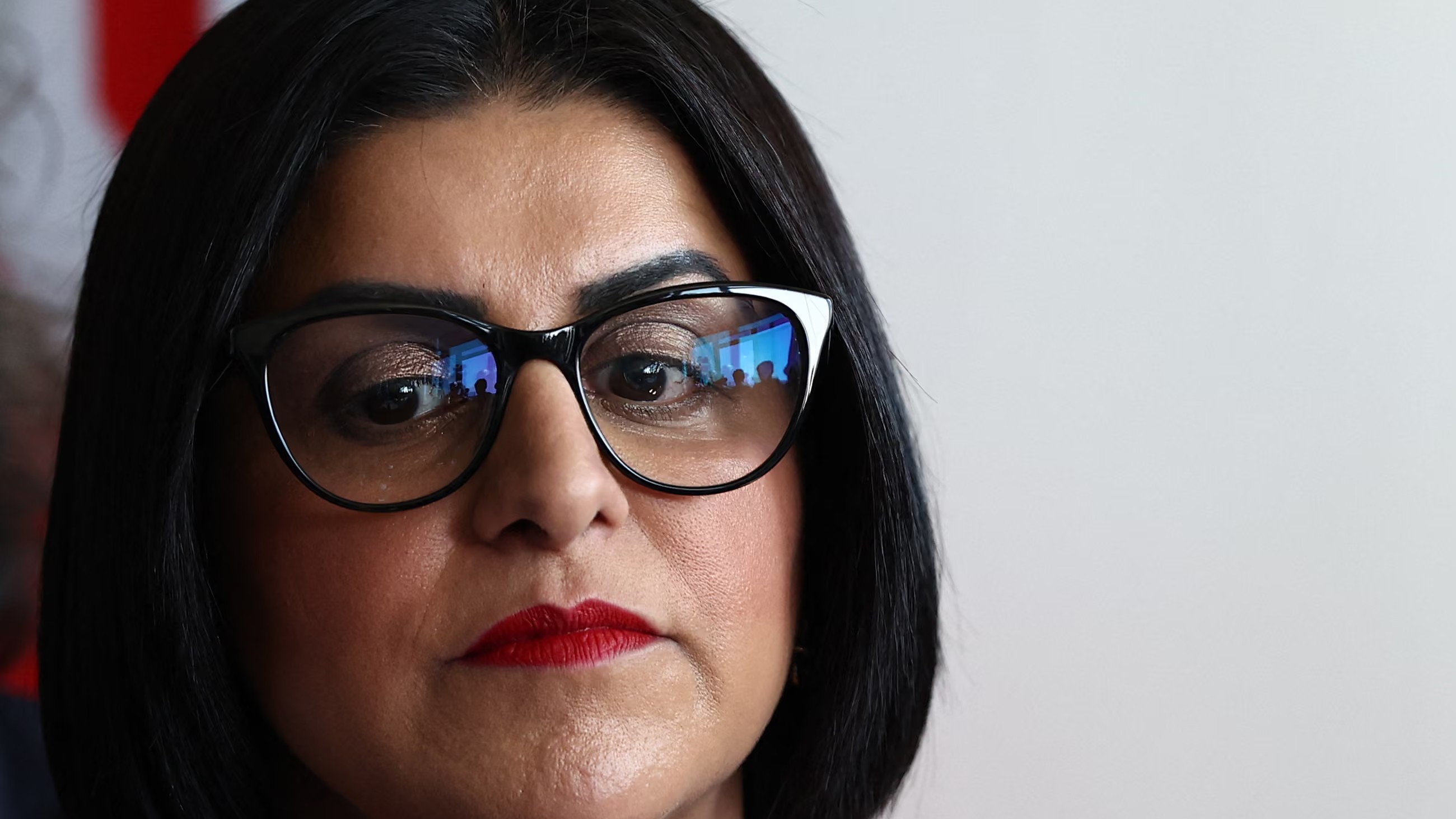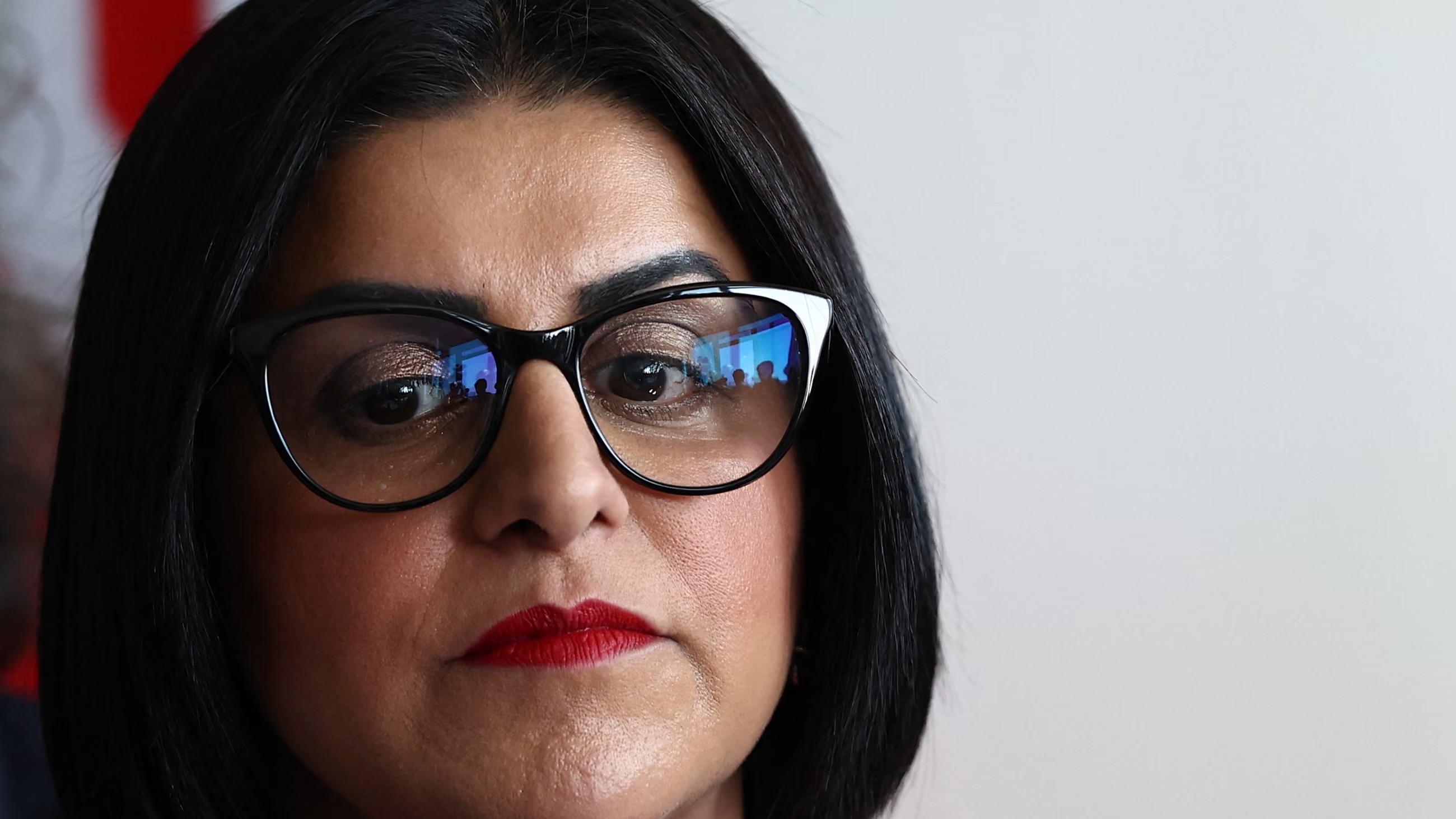
The Kabul Tribune (KT) — The Independent reported that UK Home Secretary Shabana Mahmood has not ruled out the possibility of returning rejected Afghan asylum seekers to Taliban-controlled Afghanistan, a move that could mark a significant shift in current policy.
Mahmood said she is “monitoring very closely” ongoing
discussions between Kabul and European Union countries about a potential
returns program for failed asylum applicants. She also indicated that
additional internal discussions are taking place within the UK government.
“I’m not ruling it in or out,” Mahmood said, adding that the
government is closely observing how other countries are handling similar
arrangements.
Under current UK policy, rejected asylum seekers cannot be
returned to Afghanistan because the UK does not formally recognize the
Taliban-led government. Any move toward a returns program would therefore
represent a major policy reversal and is expected to draw strong criticism from
humanitarian organizations.
The United Nations recently described Afghanistan as a
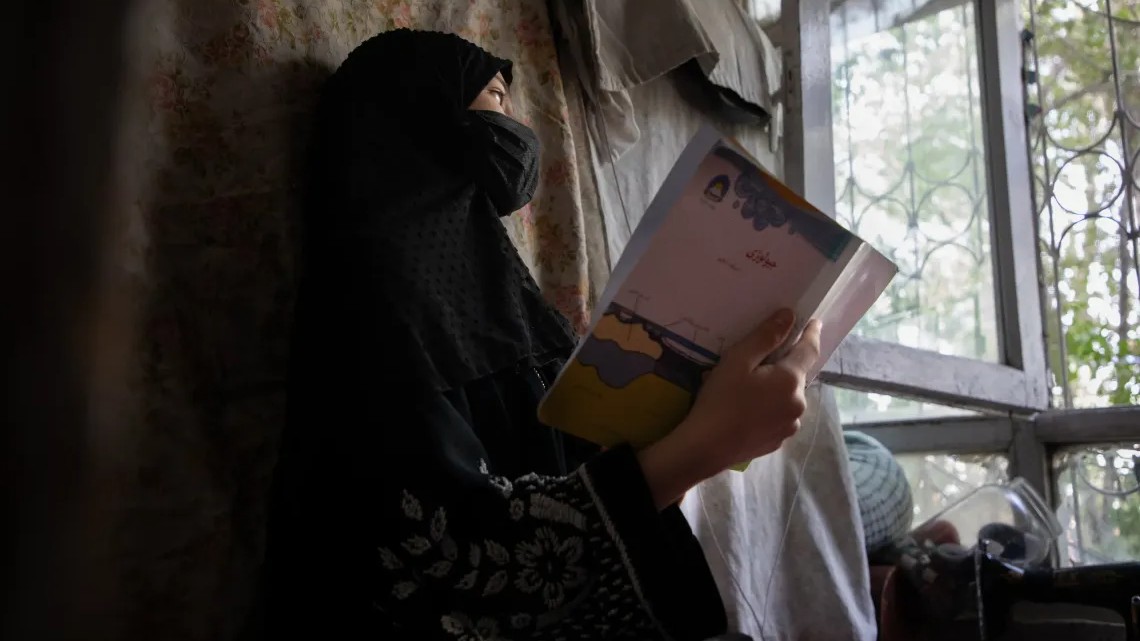
“graveyard for human rights,” citing widespread restrictions, particularly on
women and girls. Those over the age of 11 are largely barred from education and
most forms of employment.
Mahmood’s comments come days after Sweden confirmed
facilitating talks between Kabul and Brussels on a potential returns deal.
Reports suggest that more than 20 EU countries are considering similar
measures, with some, including Germany, already deporting certain Afghan
nationals since 2024.
According to official figures, Afghans were the largest
group arriving in the UK via small boats in the year ending June 2025, totaling
6,360 individuals — an 18% increase from the previous year. Between 2022 and
2024, approximately 29,600 Afghan nationals applied for asylum in the UK.
Approval rates for Afghan asylum seekers have declined
sharply, from 99% in 2023 to 38% in the first half of 2025, following the
introduction of stricter criteria for refugee recognition.
Migration expert Madeleine Sumption said that rejecting an
asylum claim generally reflects a government assessment that the individual can
safely return to their country of origin, although in practice many countries
still avoid deportations to Afghanistan.
Recent UN findings highlighted worsening conditions in
Afghanistan, including reports of arrests, torture and restrictions on
journalists, as well as severe limitations on women’s rights, such as bans on
education, employment and movement without a male guardian.
UK Prime Minister Keir Starmer has made reducing violence against
women and girls a central goal of his government. Meanwhile, Mahmood has
introduced stricter immigration measures, including agreements to return some
migrants arriving by small boats to France.
Under new policies, asylum recipients may face longer waiting
periods — up to 20 years — before applying for permanent residency. The
government has also tightened student visa rules for applicants from
Afghanistan and several other countries following a rise in asylum claims.