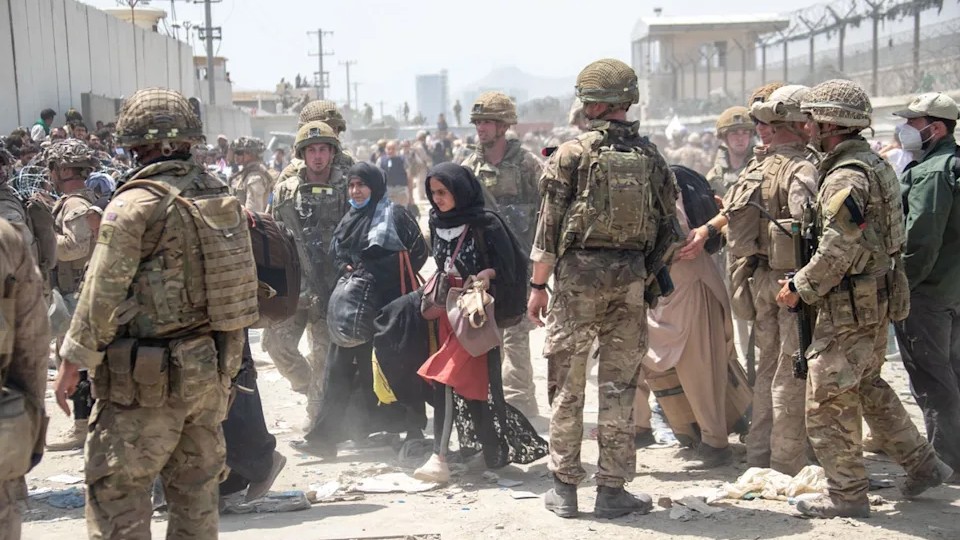
The Kabul Tribune (KT) — Afghan families approved for relocation to the United Kingdom will not receive assistance to leave Afghanistan and must instead make their own way to a third country, the UK Ministry of Defence has said, according to a report by The Independent.
The British Ministry of Defence (MoD) stated that nearly
9,000 Afghans eligible for resettlement in the UK but still awaiting relocation
will not be provided with in-country support to exit Afghanistan.
Defence Minister Luke Pollard told the UK House of Commons
in a written statement on Tuesday that those approved under the resettlement
scheme would need to travel independently to a third country when possible,
where they would receive housing and visa support until 2028.
He noted that some eligible Afghans have already managed to
move to countries such as Pakistan this year, describing it as evidence of
“successful self-moves.” Based on this assessment, the ministry said it had
decided to end assistance for departures from inside Afghanistan, citing
security considerations and cost factors.
The MoD confirmed that the Afghan Resettlement Programme
(ARP), which was previously extended to allow eligible individuals to relocate,
will now conclude by December 2028, after which all support and relocations
will end.
The UK government had previously pledged to bring all
eligible Afghans to Britain by 2029, particularly those who worked with British
forces or were affected by a major data breach that exposed applicants’
personal information.
The report also notes that the UK has ended the use of
short-term defence estate housing for Afghan families, while several hotels
previously used for accommodation are being closed.
The decision has drawn criticism from advocacy groups
supporting former Afghan interpreters and resettlement applicants, who warn
that the move leaves vulnerable families without safe options to flee,
especially amid ongoing security risks and regional instability.