The Kabul Tribune (KT) — The The Washington Post reported that a U.S. jury has convicted an Afghan man on terrorism-related charges but did not find him responsible for the deadly 2021 bombing at Kabul airport.
The verdict, delivered Wednesday in a U.S. District Court in
Alexandria, Virginia, marked a rare setback for the Justice Department in a
high-profile case highlighted by former President Donald Trump. Trump had
previously described the defendant as “the top terrorist” behind the attack.
The jury found Mohammad Sharifullah guilty of conspiring to
provide material support to the extremist group known as Islamic State Khorasan
Province. However, jurors were unable to reach a unanimous decision on whether
his actions directly contributed to the deaths caused by the bombing at Abbey
Gate of Hamid Karzai International Airport.
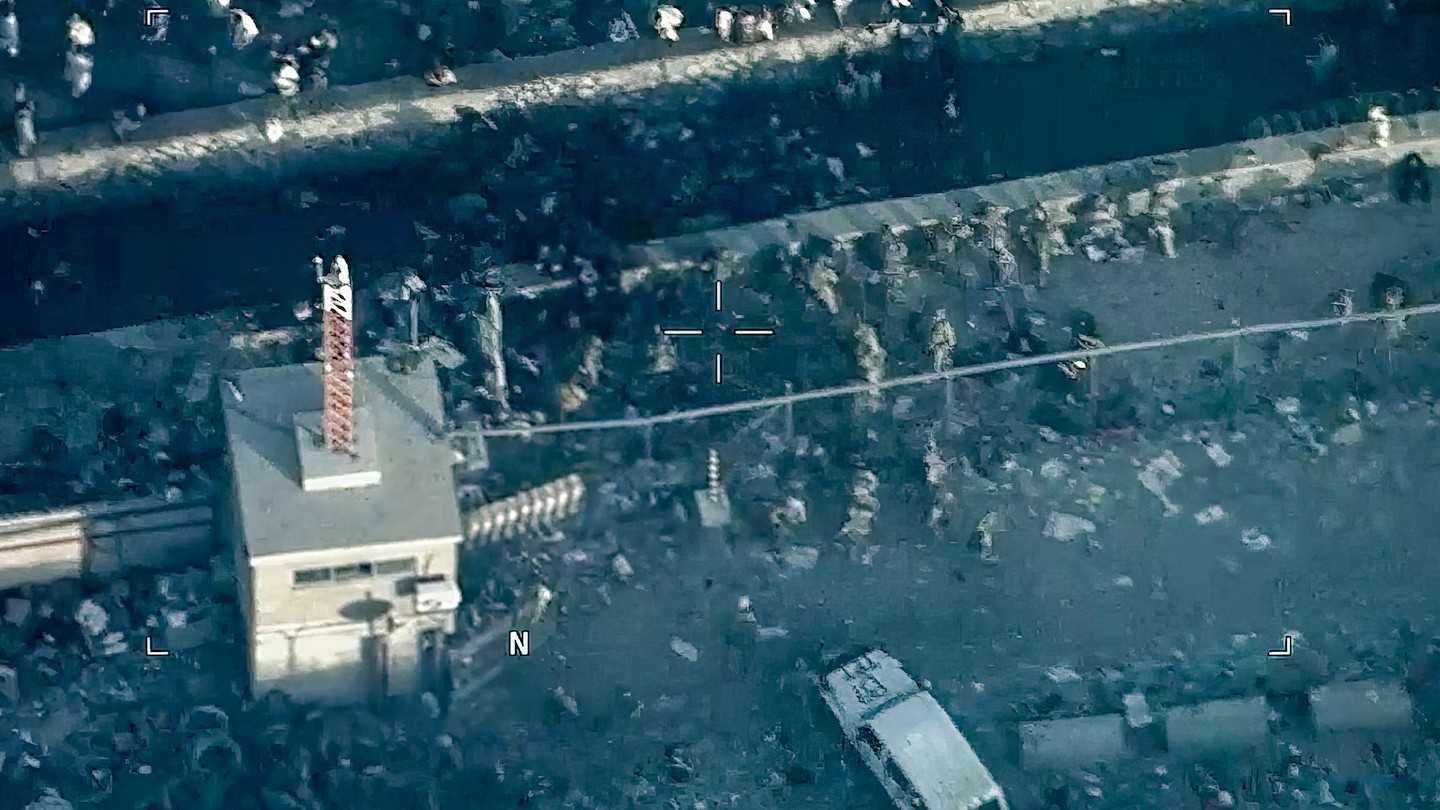
The August 26, 2021 attack killed 13 U.S. service members
and about 170 Afghan civilians during the chaotic final phase of the U.S.
withdrawal from Afghanistan. The explosion occurred as thousands of Afghans crowded
the airport in an attempt to flee the country.
According to prosecutors, Sharifullah was involved in
surveillance and logistical support for ISIS-K operations, including scouting
routes and assisting attackers. However, the defense argued that he was not
directly involved in planning or carrying out the Kabul airport bombing and
that his confessions were obtained under coercion while in Pakistani custody.
The case relied heavily on interviews conducted by the FBI
in March 2025, during which Sharifullah admitted to having links with ISIS-K
since his teenage years. He described carrying out reconnaissance missions and
assisting militants in previous attacks.
Despite these admissions, defense attorneys said there was
no concrete evidence placing him at the scene of the Kabul bombing. They also
claimed that his statements were made under pressure due to threats against his
family.
Jurors deliberated for two days before delivering a mixed
verdict, convicting Sharifullah on the terrorism conspiracy charge, which
carries a maximum sentence of 20 years. They did not, however, agree on a
finding that would have linked his actions to the deaths, a decision that could
have led to a life sentence.
U.S. District Judge Anthony J. Trenga has asked both sides
to submit recommendations on how to proceed, and no sentencing date has yet
been set.