The Kabul Tribune (KT) — A temporary reduction in violence along the Afghanistan-Pakistan border has done little to resolve the deeper causes of tensions between the two neighbors, according to a report published by Foreign Policy.
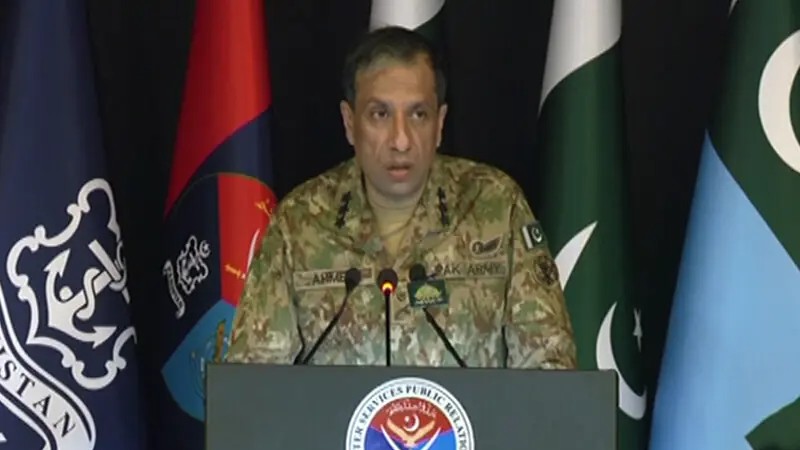
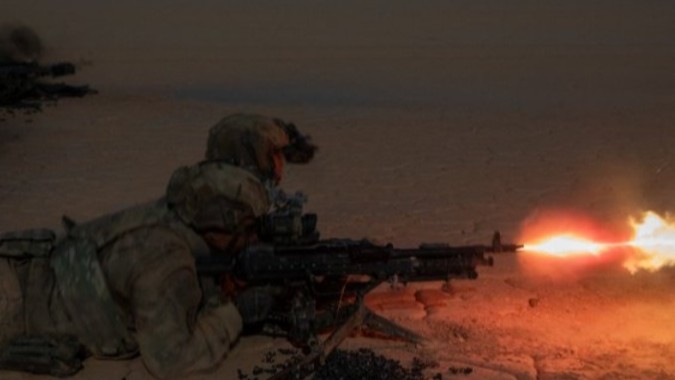
The report said that although clashes between Pakistani
forces and the Taliban have eased following recent ceasefire efforts, the
underlying disputes driving the conflict remain unresolved.
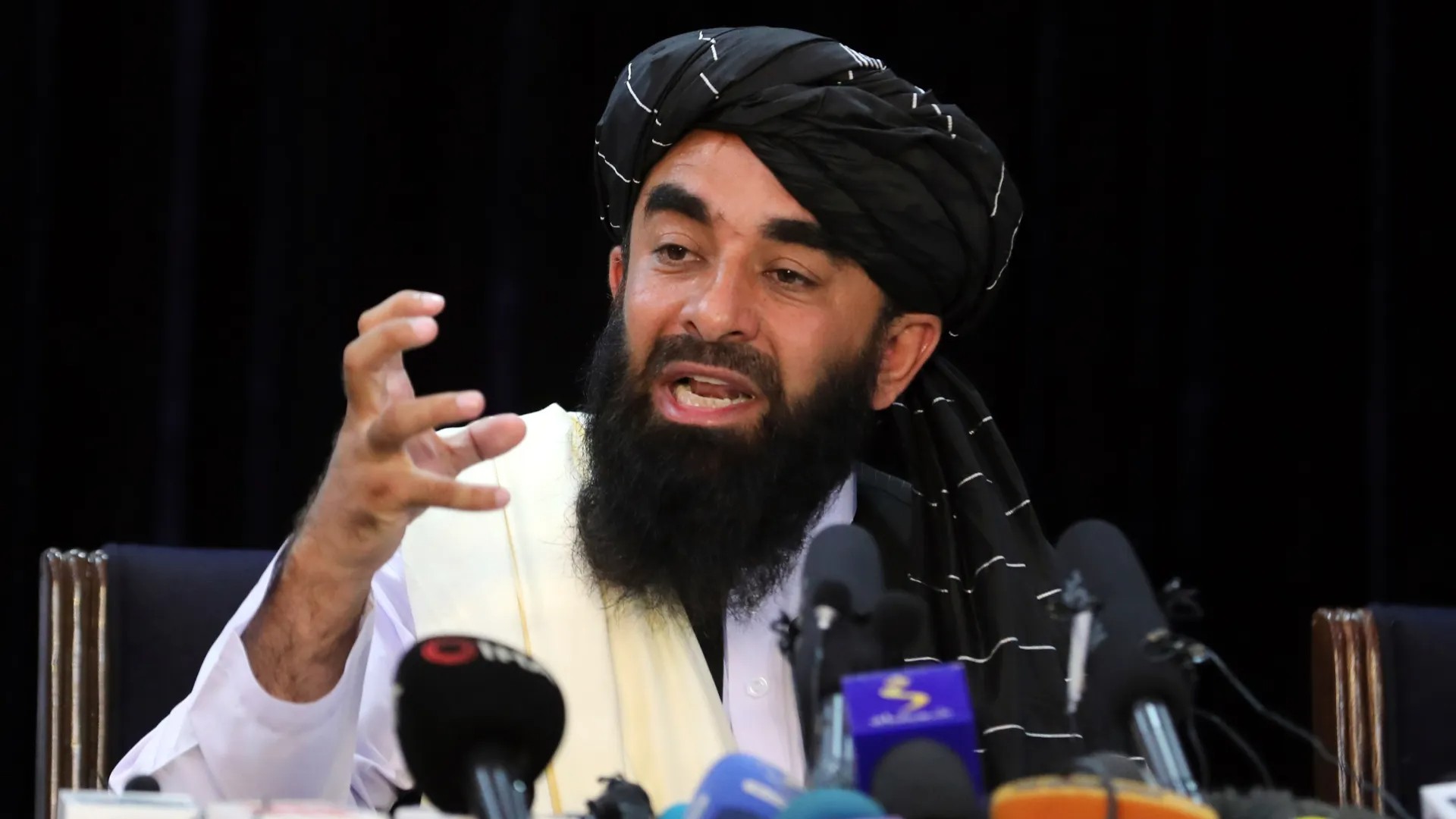
According to the analysis, Pakistan continues to accuse the
Taliban of allowing Tehrik-i-Taliban Pakistan (TTP) militants to operate from
Afghan territory and launch attacks across the border. The Taliban have
repeatedly denied the allegations, insisting they do not permit any group to
use Afghanistan against other countries.
Foreign Policy noted that security concerns are only one
aspect of the dispute. Historical disagreements over the Durand Line, which
Pakistan considers its international border with Afghanistan, continue to fuel
mistrust. No Afghan government, including the Taliban administration, has
formally recognized the border.
The report also highlighted long-standing ethnic and
political sensitivities linked to the division of Pashtun communities on both
sides of the frontier, describing them as major obstacles to a lasting
settlement.
Despite a relative decline in cross-border hostilities,
analysts cited by the publication warned that the situation remains fragile and
could deteriorate if the core political and security issues are not addressed.
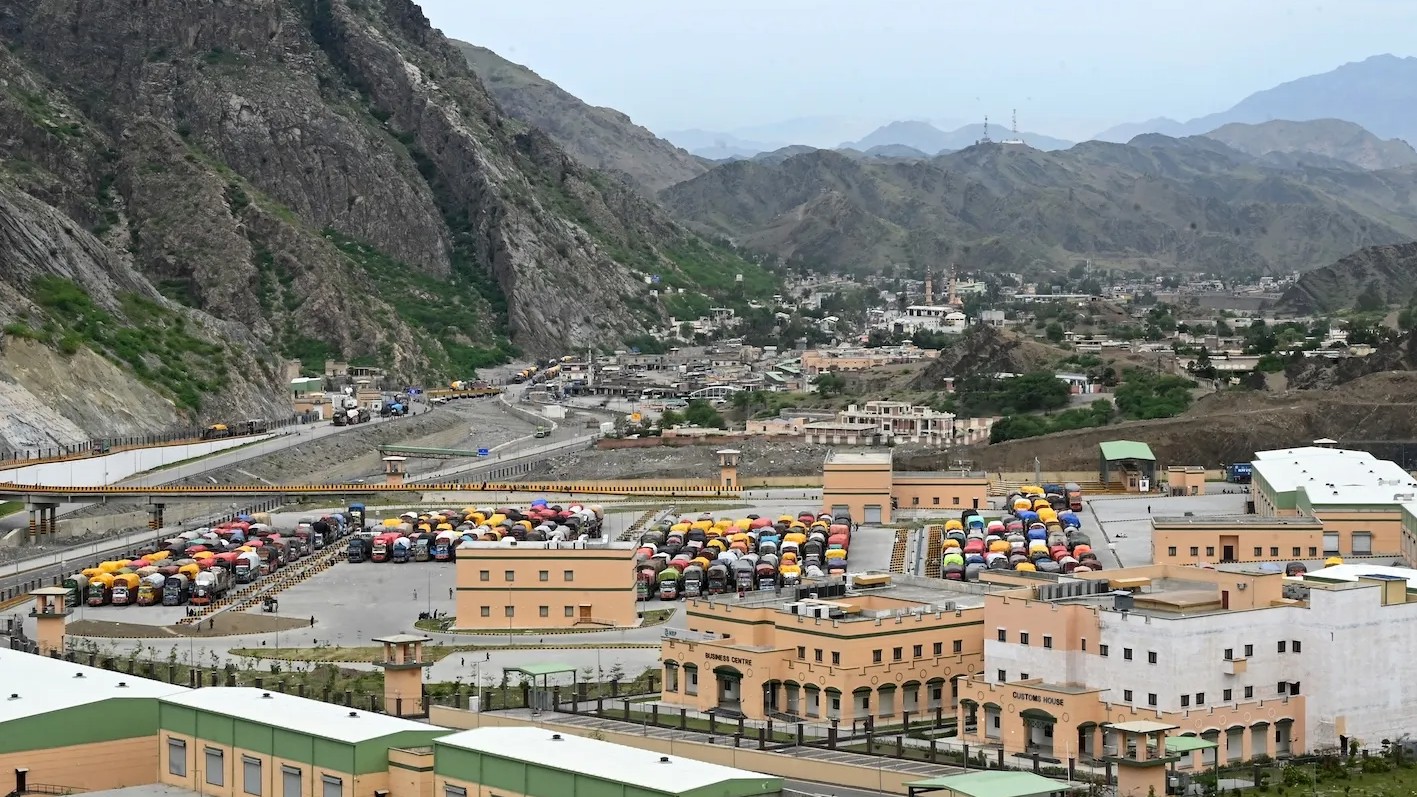
The report added that both sides face growing pressure to
prevent further escalation, particularly as instability along the border
affects trade, migration and regional security.
Foreign Policy concluded that while ceasefires may
temporarily reduce violence, a durable peace will require broader political
solutions and greater trust between Kabul and Islamabad.