The Kabul Tribune (KT) — A geopolitical crisis in the Middle East is increasingly evolving into a global humanitarian emergency, with United Nations agencies warning of rising hunger in Africa and worsening malnutrition in Afghanistan.
Nearly 100 days after tensions began in the region,
continued instability in the Strait of Hormuz — a key global energy and
shipping route — is disrupting supply chains, increasing fuel and transport
costs, and straining already underfunded humanitarian operations.
Despite a fragile ceasefire between the United States and
Iran, sporadic hostilities and ongoing uncertainty continue to affect global
logistics, driving up the cost of delivering aid to vulnerable populations.
Speaking Thursday at UN headquarters in New York, World Food
Programme Acting Executive Director Carl Skau said earlier warnings about the
impact of rising energy prices are now becoming reality.
“What we warned against is now playing out in real time in
many of these contexts,” he told reporters.
The World Food Programme had previously warned that if oil
prices remained above $100 per barrel, up to 45 million additional people could
face hunger due to the link between energy and food costs.
That pressure is already visible. In Somalia, an additional
2.5 million people are now experiencing acute food insecurity. In Afghanistan,
2.3 million more people have been pushed into acute hunger, while Sri Lanka has
seen another 1.3 million people affected.
Skau said the causes vary by country but include rising food
prices, underfunded aid responses, and increased operational costs that limit
humanitarian reach.
The longer-term outlook is also concerning. Higher
fertilizer costs could reduce agricultural productivity in East Africa during
the upcoming planting season, raising the risk of further food shortages.
The crisis is also disrupting global humanitarian supply
chains.
The United Nations Children’s Fund warned that rerouted
maritime shipments are adding two to four weeks to delivery times, while air
freight capacity across Middle Eastern routes has tightened and port congestion
is increasing.
“Increased transport costs mean less money for the
lifesaving supplies children need,” said UNICEF logistics chief Jean-Cédric
Meeus.
Air freight costs for vaccines shipped from India to several
African countries have risen by up to 70 percent, while trucking costs for
therapeutic food deliveries have increased significantly. Sea freight costs for
education materials have surged by as much as 150 percent in some cases.
UNICEF estimates that supply disruptions could delay
critical humanitarian shipments by four to six months.
For Afghanistan, the consequences are particularly severe.
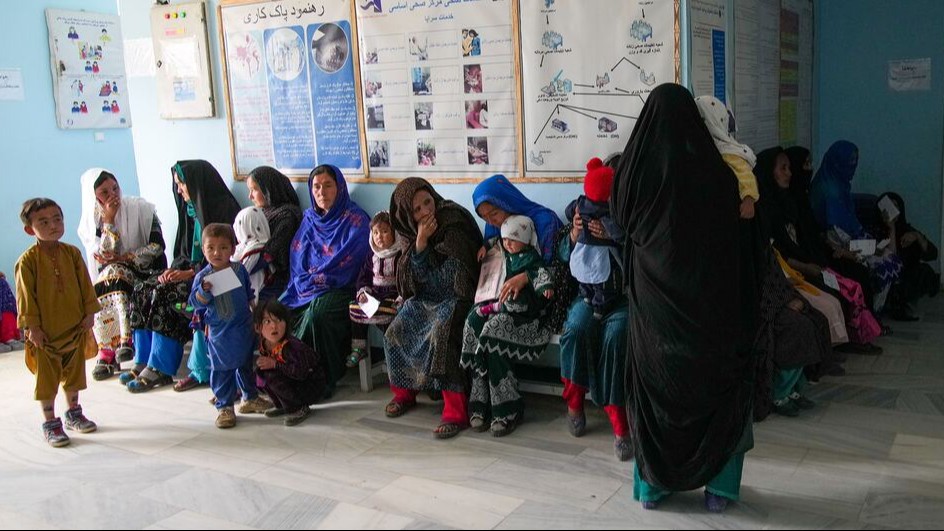
Following a recent visit, Skau described witnessing mothers
leaving a rural health clinic near Jalalabad with malnourished children after
nutrition supplies ran out.
“I’ve never seen anything like it,” he said. “The
desperation in that clinic is hard to describe.”
Afghanistan is also dealing with economic pressure linked to
the regional crisis, alongside the return of nearly 2.8 million people from
neighboring countries over the past year.
Before the crisis escalated on Feb. 28, roughly 20 percent
of global oil shipments passed through the Strait of Hormuz. Since then,
disruptions have driven up oil prices and increased costs across global trade
networks.
The UN trade body UNCTAD warned that the economic burden is
falling disproportionately on poorer countries, many of which rely heavily on
oil imports.
UN Secretary-General António Guterres had earlier warned
that disruptions in the Strait of Hormuz could slow economic growth, increase
inflation, and worsen global poverty and hunger.
Although the ceasefire has reduced the risk of immediate
escalation, humanitarian agencies say the broader consequences are already
unfolding, with rising costs, disrupted supply chains, and growing needs across
vulnerable regions.