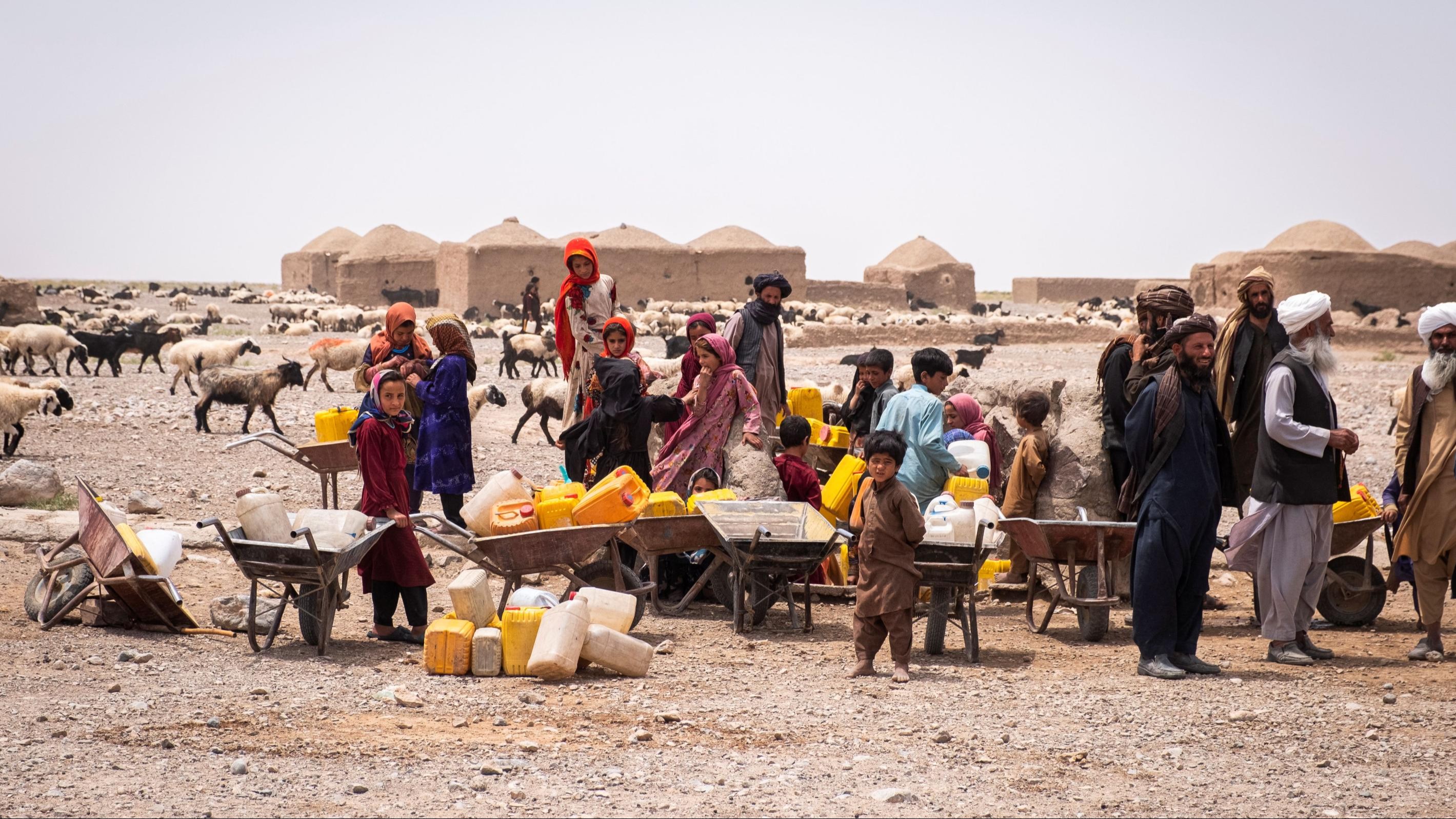
The Kabul Tribune (KT) — Afghanistan is facing a worsening climate crisis marked by severe droughts, flash floods and extreme weather that continue to destroy homes, crops and livelihoods across the country, according to the United Nations Assistance Mission in Afghanistan (UNAMA).
On World Environment Day, UNAMA said communities across
Afghanistan are increasingly affected by unpredictable weather patterns that
are deepening humanitarian and environmental challenges, while also
contributing to rising food insecurity and displacement.
More than half of the population is affected by prolonged
drought and water shortages, which are severely damaging agriculture — the
backbone of rural livelihoods. Farmers in eastern provinces such as Nangarhar
report repeated crop failures and growing competition over scarce water
resources.
In southern provinces including Kandahar, Helmand, Nimroz,
Zabul and Uruzgan, declining rainfall, recurrent drought and unregulated
groundwater extraction have pushed water systems to critical levels. Rivers are
drying up, irrigation systems are collapsing, and many communities are
struggling to access safe water.
The situation is also severe in western Afghanistan, where
provinces such as Ghor and Farah are experiencing prolonged drought, while
other areas face flash floods that destroy infrastructure and farmland.
Extreme weather events are becoming more frequent in central
and eastern provinces, including Logar, Parwan and Kapisa, while dust storms
and strong winds in the south are damaging crops and affecting public health.
Environmental degradation is compounding the crisis, with
deforestation in Kunar, Nuristan and Logar reducing natural protection against
floods and landslides, and ecosystem damage in mountainous regions such as
Badakhshan contributing to biodiversity loss. Unregulated mining is also
polluting water sources and degrading land.
In urban areas, air pollution remains a major concern in Kabul,
particularly during winter months, while increasing waste linked to tourism is
straining environmental management in provinces such as Panjshir, Kapisa and
Maidan Wardak.
Despite these challenges, UNAMA said communities are taking
steps to respond through local and national initiatives. These include
large-scale infrastructure projects such as the Qush Tepa Canal, aimed at
improving irrigation and agricultural production in northern provinces.
At the same time, nature-based solutions such as planting drought-resistant
vegetation, improving irrigation systems and strengthening water conservation
efforts are being expanded.
UNAMA added that it is supporting climate awareness and
environmental protection initiatives across the country, bringing together authorities,
communities and civil society to promote sustainable practices.
Experts warn that without coordinated and urgent action,
Afghanistan’s climate crisis could further worsen humanitarian conditions and
threaten long-term stability.