The Kabul Tribune (KT)— The United Kingdom is set to reopen its refugee resettlement scheme and establish new legal routes for refugees, with priority given to vulnerable Afghan women and girls, Palestinians and people with disabilities, The Guardian reported Sunday.
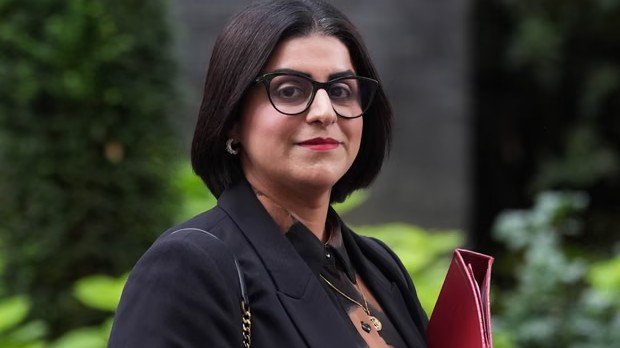
The announcement is expected to be made by Home Secretary
Shabana Mahmood at the Labour Party conference. The scheme had stopped
accepting new referrals in December 2024 but was never formally closed,
according to The Guardian.
Under the reopened program, refugees would undergo security
and criminality checks before being resettled in the U.K. Those admitted
through the scheme would receive indefinite leave to remain, providing a
five-year path to permanent settlement, according to the report.
The Home Office expects Afghan women and girls and
Palestinian refugees to account for about one-quarter of arrivals under the scheme.
The initial number of places is expected to be in the hundreds, with the
possibility of increasing to the low thousands as irregular migration levels
fall. An annual cap will be set.
Refugees will be identified through the U.N. refugee agency,
UNHCR, and the International Refugee Assistance Project, or IRAP. Families will
be allowed to reunite under the scheme, although extended family members will
not be included, The Guardian reported.
The British government also plans to open other refugee
resettlement pathways. From October, charities and nonprofit organizations will
be able to apply to sponsor refugees, while applications for a work sponsorship
route are expected to open in spring 2027.
The new resettlement routes come as the British government introduces
broader changes to its asylum system. Refugees who arrive through irregular
routes could have their status reviewed every 30 months for up to 20 years,
with the possibility of returning them to their home countries if those
countries are later deemed safe.
The limited number of places has drawn criticism from
refugee organizations and migration experts. Madeleine Sumption, director of
the Migration Observatory at the University of Oxford, said the impact of the
reopened route would depend largely on how many people were allowed to enter
Britain.
Jon Featonby, chief policy analyst at the Refugee Council,
welcomed the creation of safe and legal routes but said they would need to
operate at a larger scale to have a significant effect.
The Guardian reported that the government plans to begin
with hundreds of places and potentially expand the program to thousands, while
maintaining an annual cap.