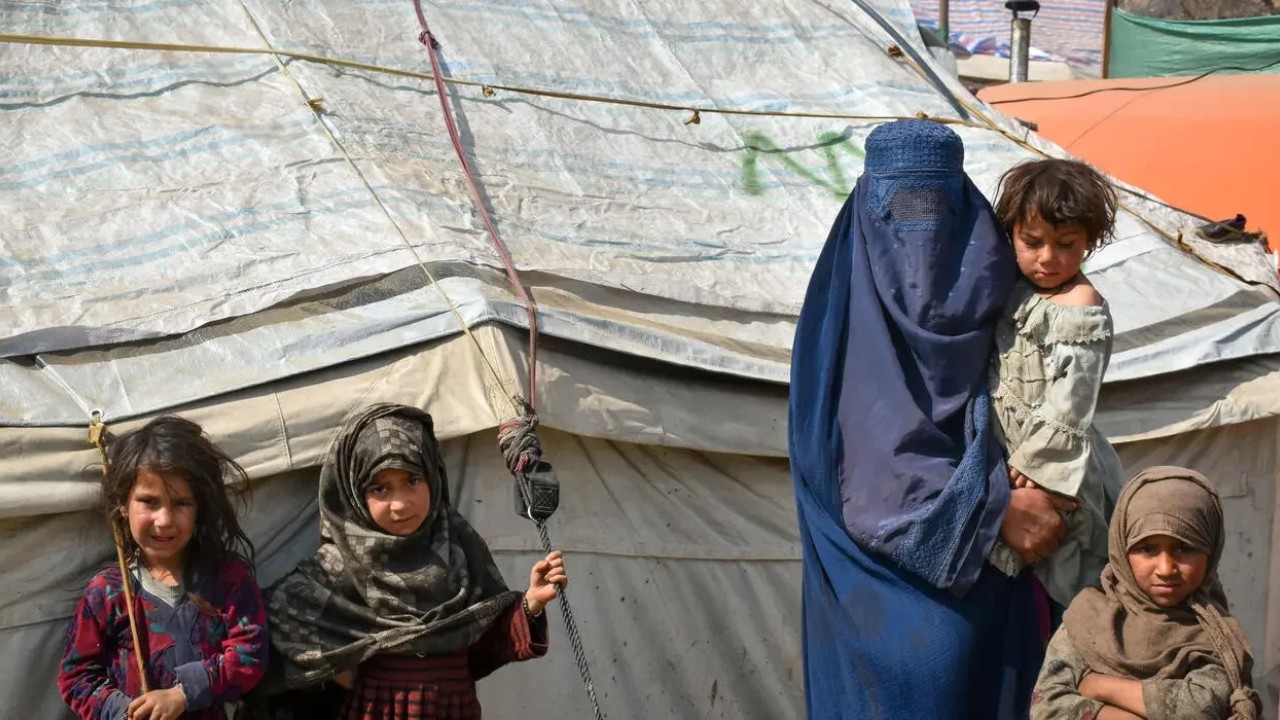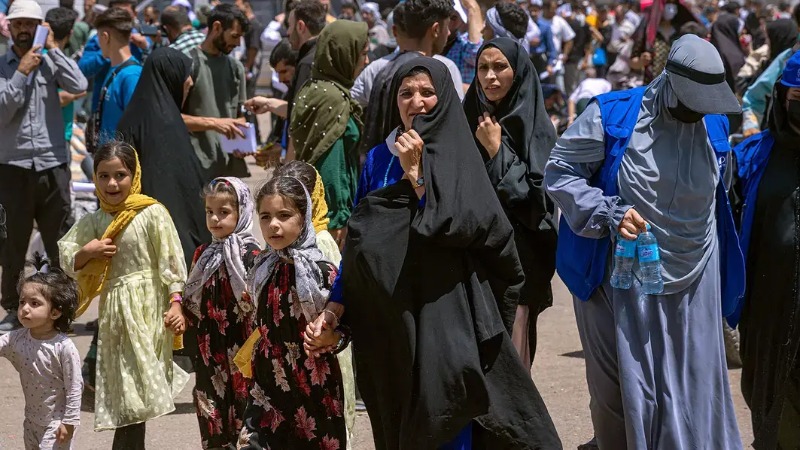
The Kabul Tribune (KT) — More than 2 million Afghans have returned from Iran and Pakistan so far this year, worsening an already dire humanitarian situation, the U.N. refugee agency said in a report released at the end of September.
UNHCR said operational constraints inside Afghanistan —
including a 48-hour nationwide internet shutdown and restrictions on female
Afghan staff — have severely disrupted its ability to deliver assistance to
returnees.
The agency warned that Afghans in Pakistan remain at risk of
arrest and deportation following the expiration of the grace period for Proof
of Registration (PoR) cards on Aug. 31. The move came as Pakistan entered the
second phase of its “Illegal Foreigners Repatriation Plan,” targeting
undocumented Afghans and holders of Afghan Citizen Cards, and later expanding
it to include PoR card holders.
UNHCR said the Afghanistan situation remains “critically
underfunded,” with only 32% of the $478 million required for 2025 received. The
agency’s updated regional returns appeal calls for $258.6 million to scale up
its emergency response.
Afghanistan’s humanitarian crisis continues to deepen,
driven by a deteriorating human rights situation, economic hardship, recurring
natural disasters and limited access to services. The influx of returnees has
further strained scarce resources.
Recent earthquakes in eastern Afghanistan have left nearly
half a million people in need of humanitarian aid. The OCHA-led Eastern Region
Earthquake Response Plan, launched in September, seeks $139.6 million to assist
about 456,000 people whose homes were damaged or destroyed. UNHCR said its
response focuses on needs assessments, emergency shelter, essential items and
protection for the most vulnerable, including returnees.
In Pakistan, floods in the Shangla and Swat districts in
September compounded challenges for both refugees and host communities. UNHCR
said it provided core relief items and shelter kits through the Commissionerate
for Afghan Refugees and the Provincial Disaster Management Authority.
In Iran, Afghans face increasing uncertainty after the
expiration of Headcount Slips in March and the rollout of a new regularization
and return scheme affecting more than 2 million people. Many have reported
growing discrimination and harassment, UNHCR said.
The agency also expressed concern over arbitrary
deportations in Tajikistan, including of recognized refugees and
asylum-seekers, adding to anxiety and distress within the Afghan community.
UNHCR urged all states to refrain from forcibly returning
Afghans who are not deemed in need of international protection, warning that
such actions could further destabilize Afghanistan’s fragile situation amid the
ongoing crisis.