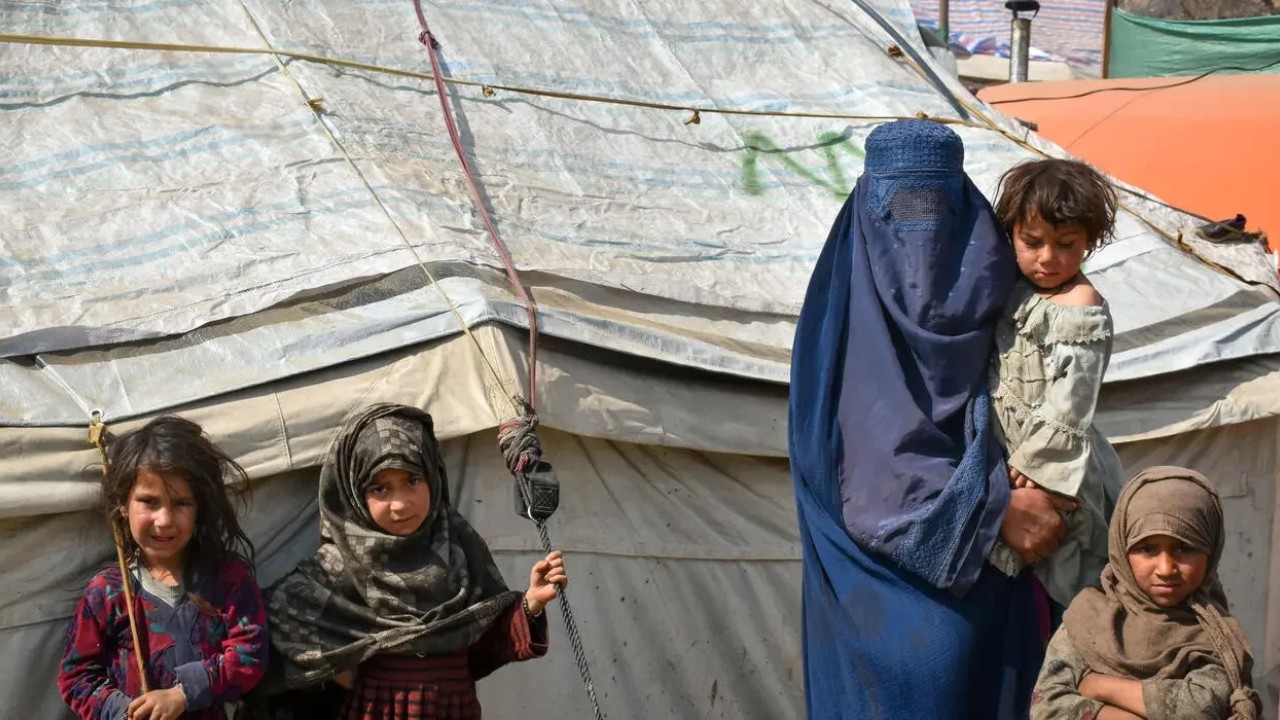
KABUL, Afghanistan (AP) — The Taliban’s sweeping internet shutdowns across Afghanistan are crippling education, aid delivery, and livelihoods, Human Rights Watch and humanitarian agencies said this week.
The restrictions, which began in mid-September in northern
provinces and spread nationwide by the end of the month, have left millions of
Afghans without access to online services. The blackout reached Kabul on Sept.
29, when both mobile and fiber-optic networks were suspended, according to
monitoring reports from Proton VPN.
Taliban officials said the measure was intended to curb
“immoral behavior,” but rights groups warned the shutdowns are having
devastating effects on daily life.
“The Taliban’s moves to cut internet access harms the
livelihoods of millions of Afghans and deprives them of their basic rights to
education, health care, and access to information,” said Fereshta Abbasi,
Afghanistan researcher at Human Rights Watch. “The Taliban should drop its
baseless rationales and end these shutdowns.”
Businesses in the capital reported immediate disruptions,
and flights to and from Kabul’s airport were temporarily canceled. Students,
many of them women who already face sweeping restrictions on education, were
unable to attend online classes. One lecturer told Human Rights Watch that only
nine of his 28 students could join a class after the blackout.
The shutdown has further isolated women and girls, who
depend on digital platforms for learning, remote work, and community support.
Women-led initiatives, already struggling under Taliban restrictions, said the
ban undermines their efforts to provide services.
Journalists reported being unable to communicate locally or
internationally, as popular platforms like WhatsApp and Signal were disabled.
Aid groups also said the loss of connectivity jeopardizes their ability to
coordinate relief efforts in a country already reeling from multiple
humanitarian crises.
“This is another crisis on top of the existing crises, and
the impact is going to be on the lives of Afghan people,” said Indrika Ratwatte,
the U.N. humanitarian coordinator in Afghanistan.
The United Nations and international human rights bodies
have long condemned internet shutdowns, saying they erode fundamental freedoms,
exacerbate inequalities, and endanger lives by restricting access to health and
emergency services.
“Afghans were already isolated from the world but now they
are completely cut off,” Abbasi said. “The longer the Taliban internet
shutdowns continue, the more harmful the consequences for both the people and
the country.”