noDate
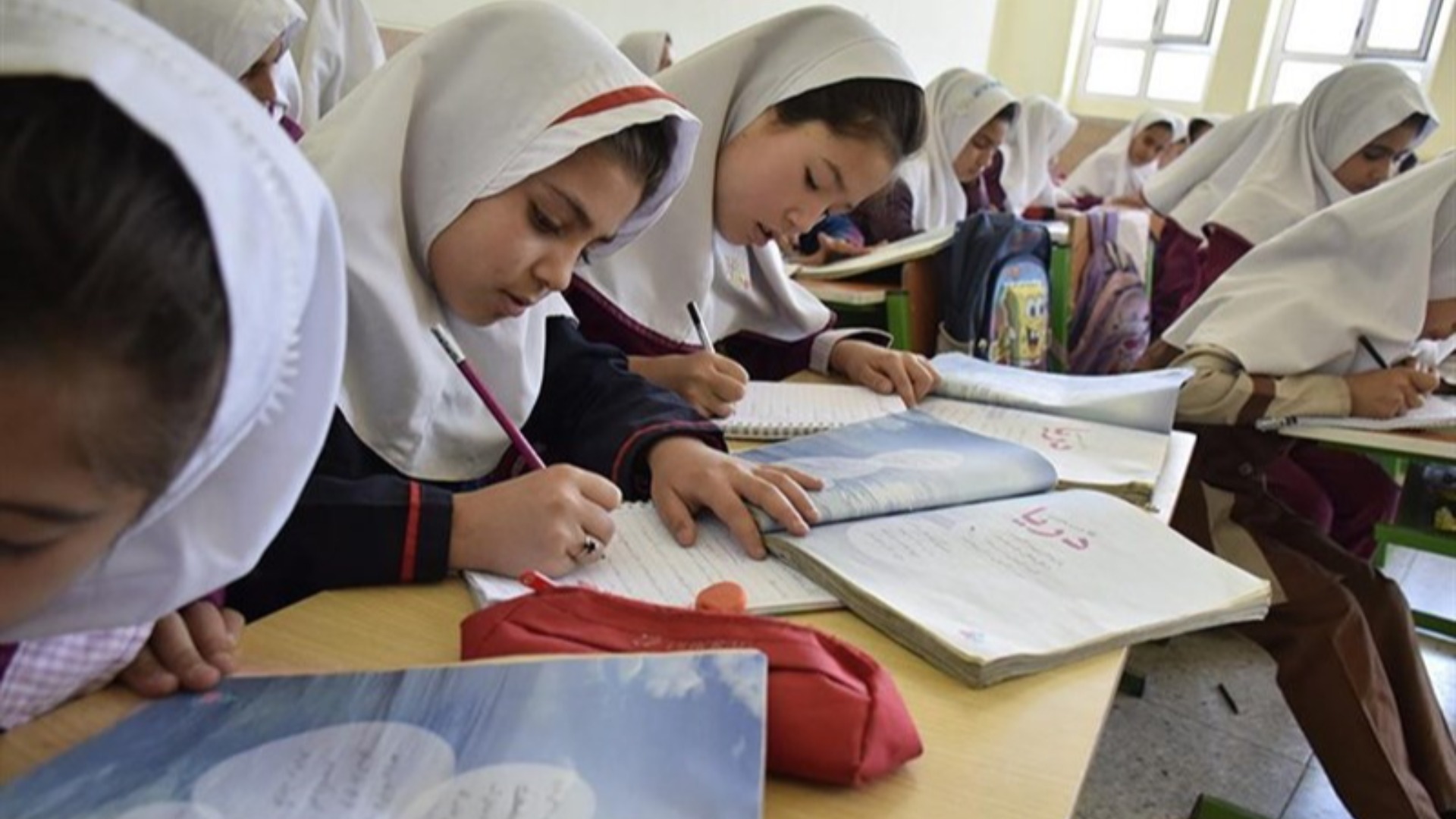
Iran’s education minister said about 50,000 Afghan migrant children eligible for schooling have not been enrolled in Iranian schools this year, underscoring ongoing tensions over the treatment of migrants in the country.
Alireza Kazemi, the minister of education, told Iranian media that nearly 600,000 children of foreign nationals were registered last year but acknowledged that tens of thousands remain excluded. He said migrant children are usually enrolled later than Iranian nationals, noting that local students are prioritized first.
Iranian authorities routinely describe undocumented Afghan migrants as “illegal foreign nationals” and in many cases refuse to enroll their children in schools. Human rights organizations and migrant advocates say Afghan families face widespread mistreatment in Iran, including denial of services, harassment and the forcible deportation of thousands back to Afghanistan.
According to Kazemi, Iranian officials estimate that some 2 million Afghans have returned to Afghanistan in the past year, including as many as 300,000 school-age children. Still, roughly 50,000 Afghan children remain in Iran without access to formal education.
Kazemi said the government plans to work with the Interior Ministry to establish a process for registering some of those students. Yet he stressed that enrollment depends on migrants completing legal procedures, effectively excluding those without proper documentation.
“Foreign nationals who have sought refuge in our country are human beings, and their children should not be deprived of education,” Kazemi said. But rights groups say such assurances conflict with government actions that keep many Afghan children out of classrooms.
Iran hosts millions of Afghan migrants and refugees, many of whom fled decades of war and, more recently, the Taliban’s return to power in 2021. But migrants in Iran face increasing pressure as authorities escalate deportations and tighten restrictions on their daily lives.