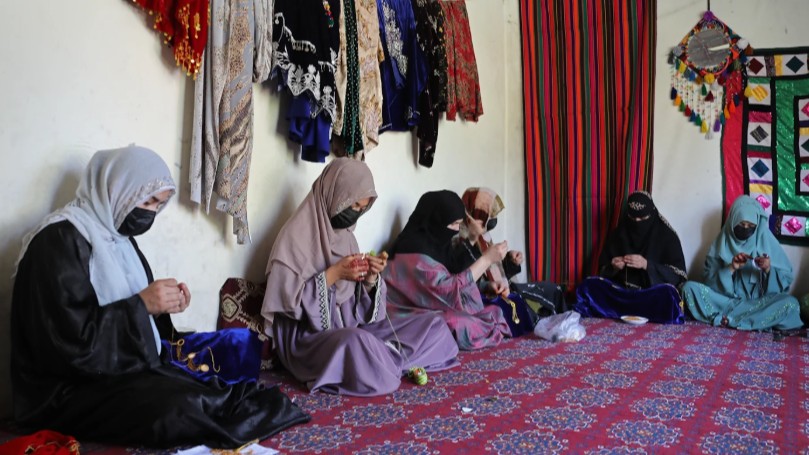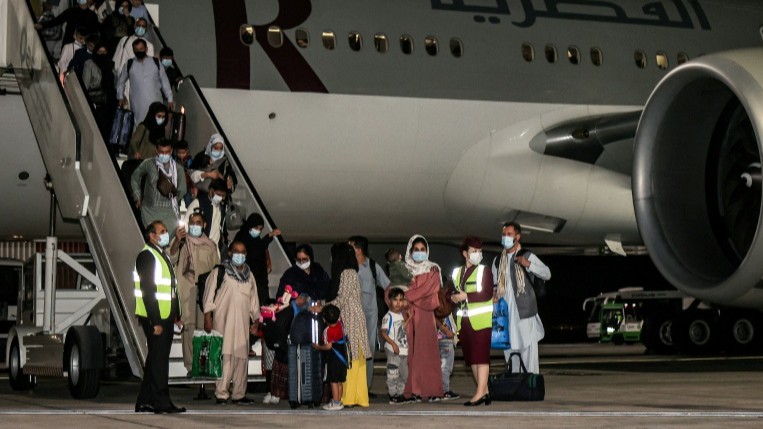
The Kabul Tribune (KT) — AFP reported that around 1,100 former Afghan allies of U.S. forces and their families remain stranded in Qatar, facing uncertainty over their future after more than a year at a former American base on the outskirts of Doha.
The Afghans, evacuated following the 2021 U.S. withdrawal
from Afghanistan, are currently housed at Camp As Sayliyah, where they have
been awaiting resettlement in the United States.
“We are all living in extreme anxiety… we feel that we are
in limbo,” said one former interpreter for U.S. forces, speaking on condition
of anonymity due to security concerns.
Processing of Afghan refugee cases stalled after U.S.
President Donald Trump paused refugee admissions in January 2025 and later
suspended all Afghan immigration cases in November.
Camp residents fear returning to Afghanistan due to possible
reprisals by the Taliban, while no clear alternative pathway has been
confirmed.
Advocacy group AfghanEvac said U.S. authorities are
considering a proposal that would require camp residents to choose between
returning to Afghanistan or relocating to the Democratic Republic of the Congo.
In an open letter shared by residents, Afghans at the camp
rejected the proposal, saying they could not return to Afghanistan due to
security risks and were unwilling to move to another conflict-affected country.
“Our concern is safety… we are asking for a better and safer
country where we can rebuild our lives,” said a female resident who arrived at
the camp in early 2025 with her child.
The U.S. State Department has not confirmed plans to send
Afghans to DR Congo but said relocation to a third country could provide safety
and a fresh start.
Meanwhile, the Taliban’s Foreign Ministry has stated that
Afghans abroad can return home safely, a claim that contrasts with concerns
raised by residents and international observers.
According to the United Nations, dozens of cases of
arbitrary arrests, detentions, and mistreatment of former officials and
security personnel have been reported in recent months, including among
returnees.
Residents also described fears during recent regional
tensions, including Iranian missile activity targeting U.S. bases in the Gulf,
which caused explosions near the camp.
Many families live in confined conditions with limited
freedom of movement, leaving only for serious medical emergencies.
The U.S. government has also offered financial incentives
for voluntary return to Afghanistan, with some residents reportedly accepting
payments. However, many others have rejected the option, citing ongoing
security risks.
“Security is not something that can be negotiated,” one
resident said, adding that no amount of money would convince him to return to
Afghanistan under current conditions.