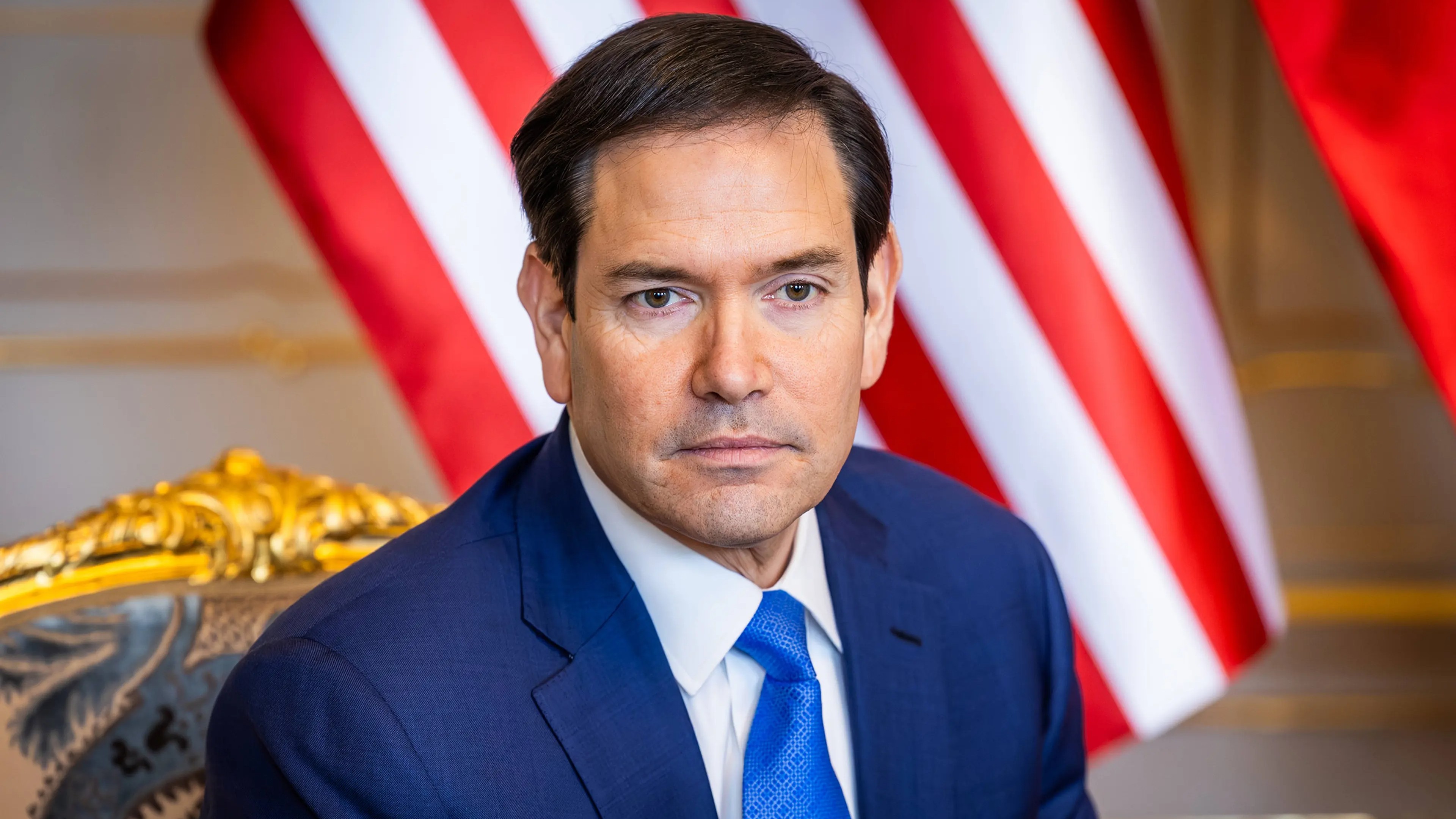
The Kabul Tribune (KT) — Reuters reported that Marco Rubio on Tuesday described a U.S.-proposed United Nations resolution on the Strait of Hormuz as a test of the effectiveness of the United Nations, urging China and Russia not to repeat past vetoes.
Rubio said the draft resolution calls on Iran to halt
attacks on commercial shipping and stop laying naval mines in the strategic
waterway, a vital route for global energy supplies and trade.
Members of the UN Security Council held closed-door
discussions on Tuesday on the draft text, which was prepared by the United
States in coordination with Bahrain, Saudi Arabia, the United Arab Emirates,
Kuwait, and Qatar. If adopted, the resolution could pave the way for sanctions
against Iran and potentially further measures if Tehran fails to comply.
The proposal comes amid renewed tensions following recent
exchanges of fire between U.S. and Iranian forces, which have threatened a
fragile ceasefire and raised concerns over maritime security in the region.
A previous resolution backed by the United States failed
last month after both China and Russia exercised their veto power in the
15-member council.
The new draft avoids explicitly authorizing the use of force
but is framed under Chapter VII of the UN Charter, allowing the council to
impose measures ranging from sanctions to military action if necessary.
“Everyone wouldn’t want to see this vetoed again, and we’ve
made some slight adjustments to the language,” Rubio told reporters, adding
that it remains uncertain whether the changes would prevent another veto.
He described the vote as a critical test for the United
Nations, saying its outcome would reflect the body’s ability to function
effectively.
According to the draft seen by Reuters, the resolution
condemns Iran’s alleged violations of the ceasefire and its actions threatening
freedom of navigation through the Strait of Hormuz. It calls on Tehran to
immediately halt attacks, disclose the locations of naval mines, and allow safe
passage for humanitarian and commercial vessels.
The draft also urges Iran to cooperate with UN efforts to
establish a humanitarian corridor through the strait, as disruptions have
affected the delivery of aid, fertilizer, and other essential goods.
Under the proposal, the UN secretary-general would report
back within 30 days on Iran’s compliance, after which the Security Council
could consider further steps, including sanctions.
China’s UN mission said it is still reviewing the draft,
while Russia did not immediately comment.
UN spokesperson Stephane Dujarric emphasized the importance
of keeping the waterway open and ensuring safe navigation.
The escalation follows a U.S.-led initiative known as
“Project Freedom,” aimed at escorting stranded vessels through the strait, as
well as a broader proposal for a multinational maritime coalition to strengthen
regional security and ensure continued access to the critical shipping route.