The Kabul Tribune (KT) — Agence France-Presse reported Monday that the European
Commission plans to invite Taliban officials to Brussels in the near future for
discussions on returning migrants to Afghanistan.
Sources familiar with the matter said a formal letter would
be sent imminently to Kabul to arrange a date for the meeting in the Belgian
capital. The planned visit, coordinated with Sweden, would follow two earlier
trips by European officials to Afghanistan on the same issue.
A spokesperson for the Commission said officials are working
on a potential technical-level follow-up meeting in Brussels with Afghanistan’s
de facto Taliban authorities. No specific date has been announced.
Letter From 20 Countries
The move comes as part of broader efforts by around 20
European Union member states to tighten migration policies and explore
mechanisms for returning migrants—particularly those with criminal
convictions—to Afghanistan.
According to the Commission, a technical meeting was held in
Kabul in January 2026 to advance the discussions, following an October letter
from several countries urging the EU to find diplomatic and practical
solutions.
Legal And Ethical Concerns
The proposed visit raises practical and ethical concerns,
particularly because it involves engagement with Taliban authorities, who are
not formally recognized by the EU.
Since returning to power in 2021, the Taliban have remained
largely isolated internationally after enforcing a strict interpretation of
Islamic law. For the visit to proceed, officials would require special entry
exemptions from Belgium, where EU institutions are based.
Humanitarian Context
The EU’s push for migrant returns comes amid a worsening
humanitarian crisis in Afghanistan. Since 2023, more than five million Afghans
have returned from Iran and Pakistan, many of them forcibly, according to
international organizations.
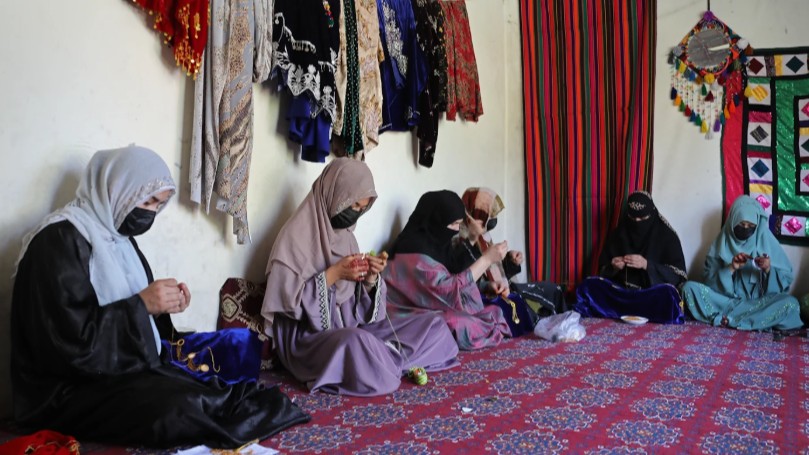
Most returnees are living in severe hardship, often without
stable housing or employment.
Germany Leads Efforts
EU data show that about one million asylum applications from
Afghans were filed between 2013 and 2024, with roughly half approved. In 2025,
Afghans continued to represent the largest group of asylum applicants in the
bloc.
Amid shifting public sentiment on migration, some countries
have moved to scale back asylum policies. Germany has deported more than 100
Afghans with criminal convictions since 2024 through charter flights
facilitated by Qatar.
The policy shift follows several violent incidents involving
Afghan nationals, including a deadly car-ramming attack in Munich last year.
Mixed Reactions
Austria has also engaged with Taliban representatives,
hosting a delegation in Vienna in September. Other countries, including Belgium
and Sweden, are considering similar steps.
However, the approach has drawn criticism from humanitarian
organizations. Lisa Owen, Afghanistan director for the International Rescue
Committee, warned that returning Afghans under current conditions could
endanger lives.
Rights groups have also expressed concern that such meetings
could allow Taliban officials to identify individuals for return, potentially
putting them at risk.
Diplomatic sources, however, said the primary aim of the
proposed Brussels meeting is to address technical challenges, such as issuing
passports to Afghans whose embassies in Europe are not recognized by Taliban
authorities, as well as logistical issues including airport capacity in Kabul.