The Kabul Tribune (KT) — CARE Nederland has warned that women and girls in Afghanistan are among the most affected by global cuts to humanitarian aid and development programs, according to its director, Inge Kauer.
“When aid programs are cut, women and girls are the first to
lose access to healthcare, income, protection, and education,” Kauer told
NU.nl.
She said the impact is particularly severe in Afghanistan,
where she recently visited several aid projects at risk of closure due to
funding shortages. These include a clinic treating severely malnourished
children and an education initiative for girls in remote areas.
At one clinic, Kauer observed a seven-month-old girl
weighing only three kilograms, noting that the child had shown improvement
after receiving treatment. At another project, she met a nine-year-old girl who
had recently begun learning to read and aspired to become a doctor or teacher.
Kauer warned that the suspension of funding threatens not
only immediate humanitarian needs but also the country’s long-term development.
“Afghanistan is missing out on the teachers of the future,” she said, adding
that reduced opportunities could weaken economic prospects and leave
communities increasingly disadvantaged.
She also noted similar challenges in other countries,
including the Gaza Strip, Sudan, Myanmar, and Yemen, where aid cuts have
disrupted essential services for women and girls.
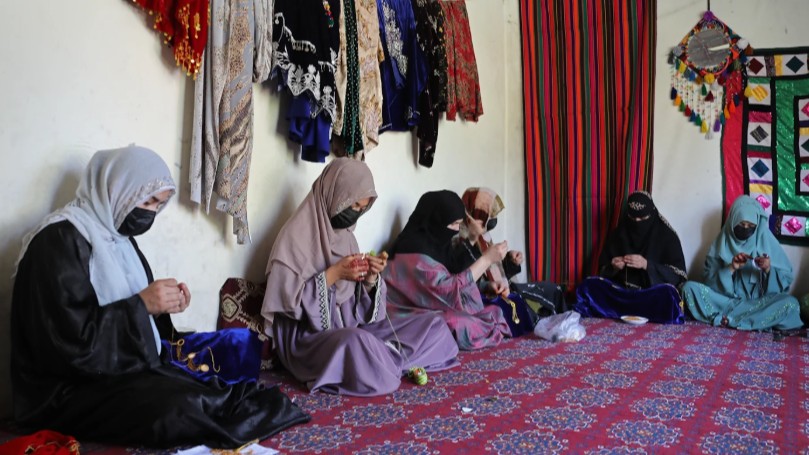
Despite ongoing challenges, Kauer said many Afghan women
continue to work under difficult conditions, including midwives traveling to
rural areas and female staff operating in care institutions under increasing
restrictions.
However, she cautioned that such efforts are not sustainable
without continued support, emphasizing the need for long-term and reliable
funding, particularly for women-led organizations.
Background: Afghanistan remains heavily reliant on
international humanitarian assistance following years of conflict and economic
instability, particularly after the Taliban returned to power in 2021.
Reductions in global aid have raised concerns among humanitarian groups about
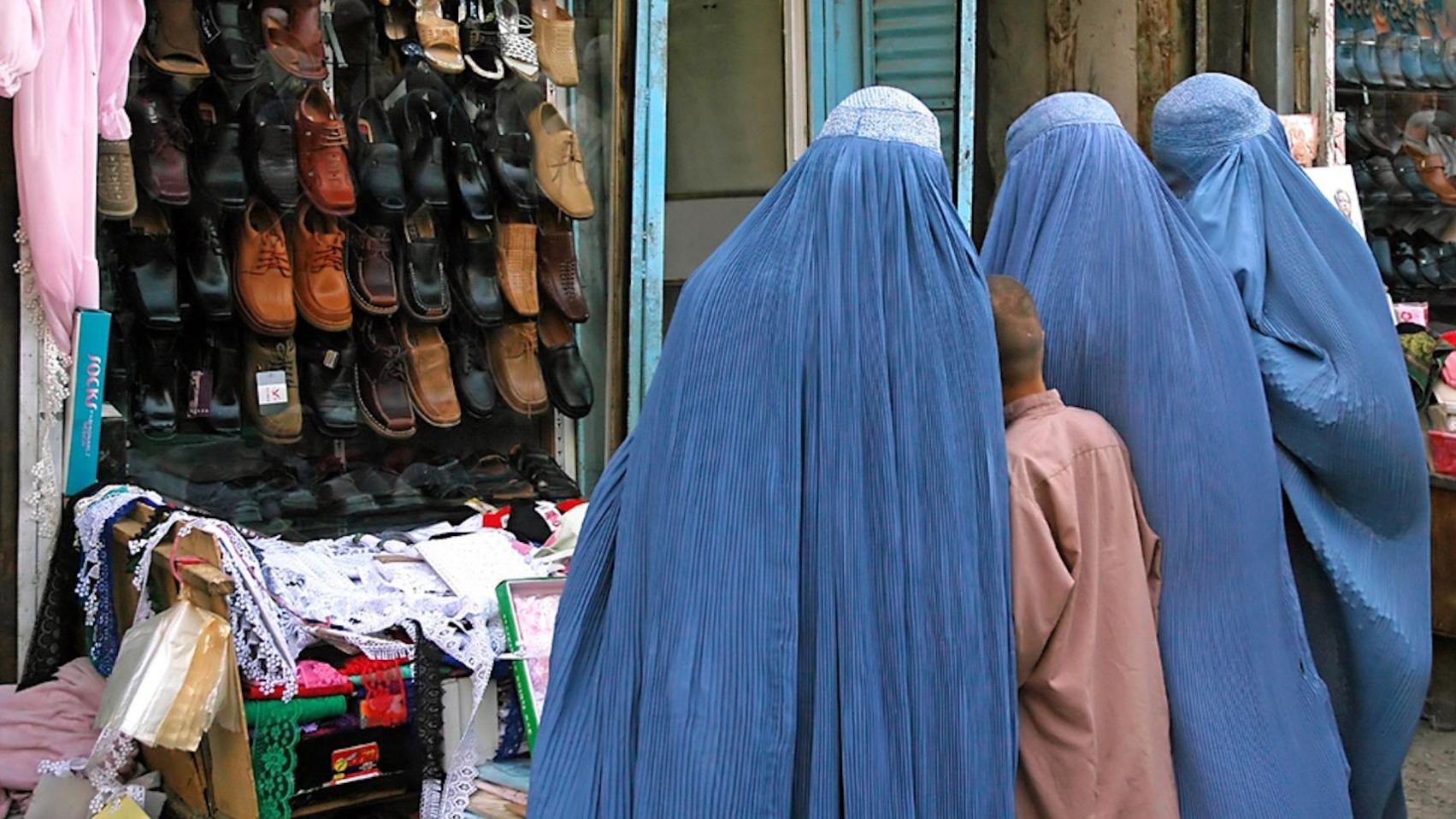
worsening conditions, especially for women and children. Ongoing restrictions
on women’s education and employment have further limited opportunities,
increasing vulnerability and dependence on external support.