The Kabul Tribune (KT) — United Nations in Afghanistan and NGO partners have launched a $529 million response plan aimed at supporting an estimated 2.7 million Afghan returnees from Iran and Pakistan, according to a statement posted on social media.
The 2026 Response Plan for Afghan Returnees (RPAR), announced in Kabul on 19 May 2026, is designed to assist returnees from border entry points through to their communities of settlement across Afghanistan.
The plan projects that about 1.7 million Afghans will return from Iran and 1.1 million from Pakistan between April and December 2026.
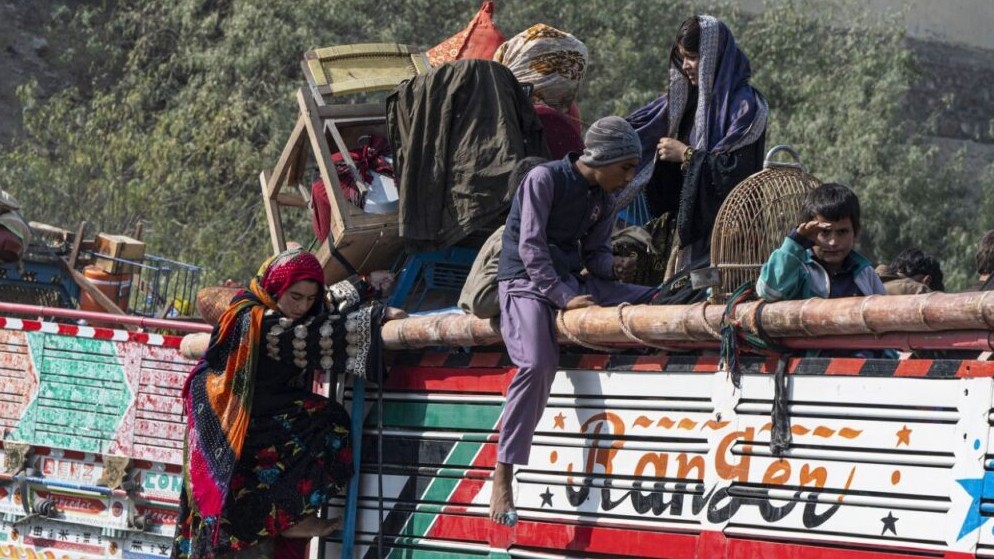
Since September 2023, nearly 5.9 million Afghans have returned to Afghanistan, with 2.9 million arriving in 2025 and another 600,000 in the first four months of 2026, according to the plan.
UN officials said the scale of returns represents a major demographic and development challenge for the country. Tajudeen Oyewale said more than half of returnees are women and children, many of whom were born or raised outside Afghanistan and have limited ties to their communities of origin.
He warned that without sustained investment in housing, livelihoods, water, health, and protection services, Afghanistan could face secondary displacement, rising poverty, and increased social tensions affecting both returnees and host communities.
The response plan is structured around a two-tier approach:
A $100.7 million border response focused on emergency assistance, including cash support, health care, nutrition, protection services, water and sanitation, and transport at key crossing points with Iran and Pakistan. The effort is led by the International Organization for Migration-coordinated border consortium.
A $428.5 million reintegration component targeting 35 priority districts, focusing on restoring essential services, creating economic opportunities, and improving housing and land rights, coordinated through the Durable Solutions Working Group.
World Vision International Country Director Thamindri De Silva said funding gaps remain a major concern, noting that current resources at the border can only cover about 40% of the most vulnerable returnees, despite higher levels of need.
The United Nations and its partners have urged international donors to fully fund the plan, warning that gaps in financing could worsen the humanitarian situation and undermine long-term reintegration and stability efforts in Afghanistan.