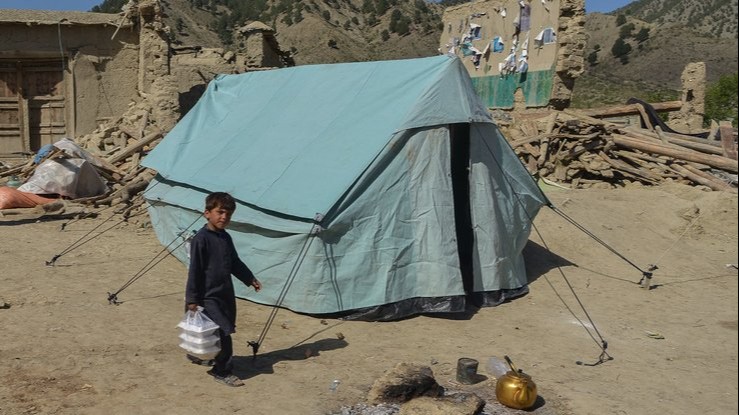
The Kabul Tribune (KT) — Afghanistan is facing a worsening humanitarian situation driven by cross-border conflict, widespread flooding and prolonged drought conditions, according to the latest humanitarian update by the United Nations Office for the Coordination of Humanitarian Affairs (OCHA).
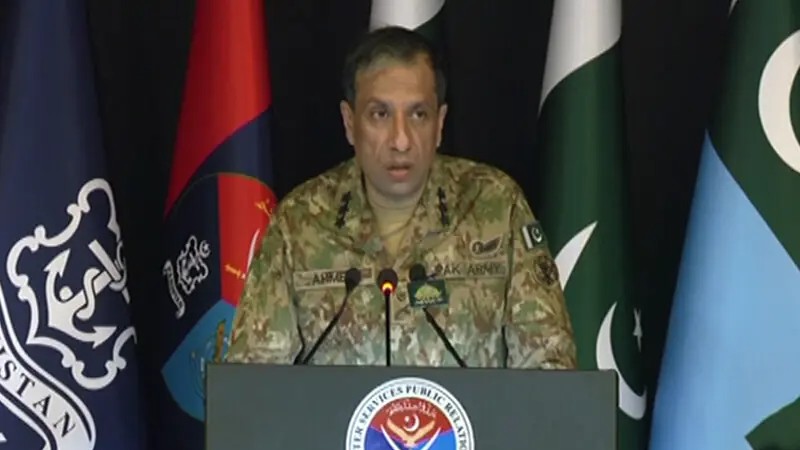
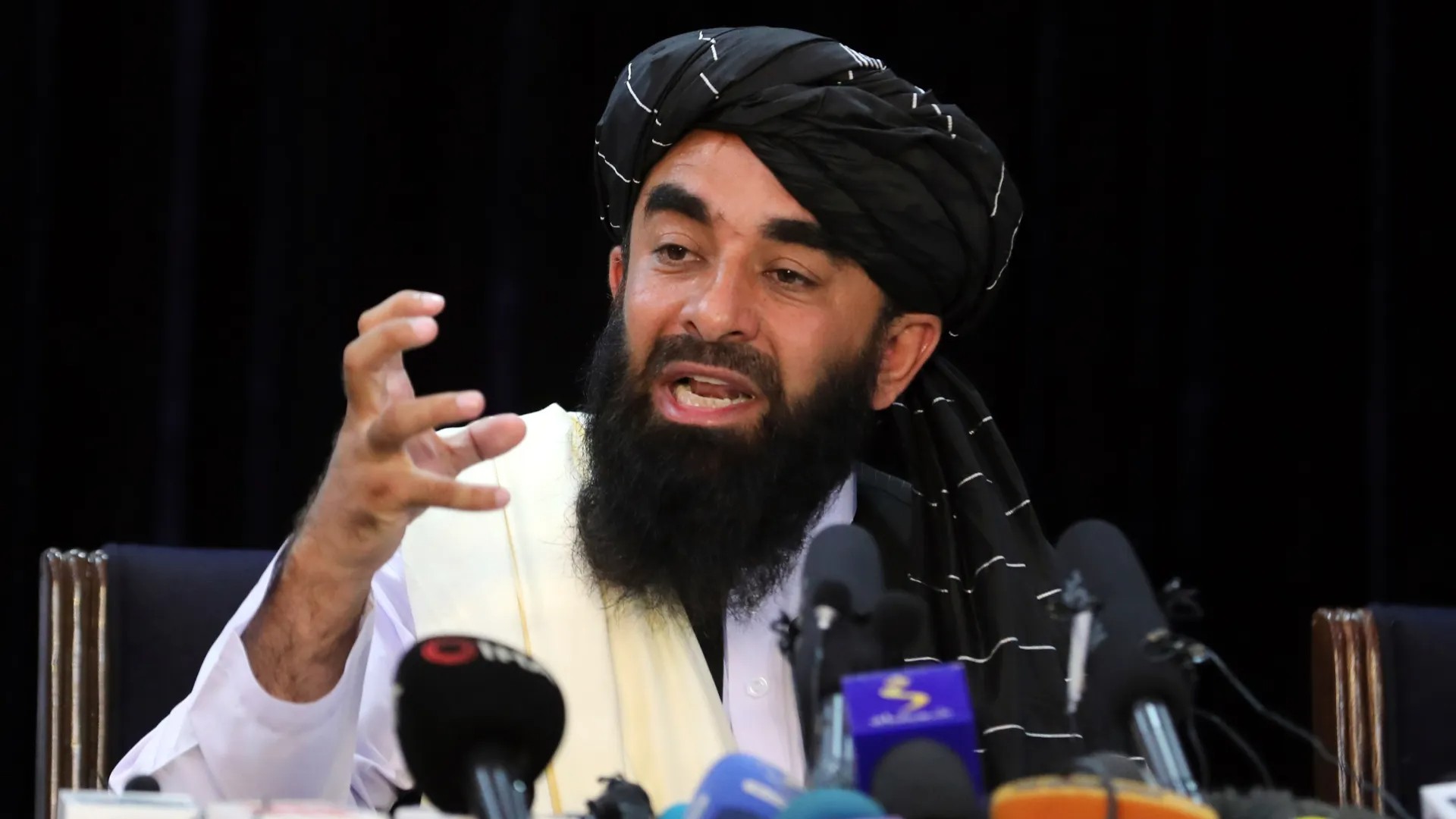
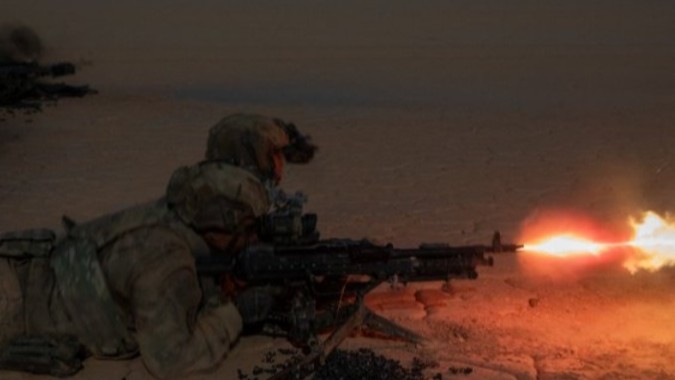
The report highlights that ongoing clashes between Taliban
forces and Pakistani military units since late 2025 have resulted in
significant civilian harm. Between January and March 2026, the United Nations
Assistance Mission in Afghanistan (UNAMA) recorded 769 civilian casualties,
including 372 deaths and 397 injuries. Women and children were among those
affected.
According to UNAMA, most incidents occurred in February and
March, largely due to airstrikes following Pakistan’s military operation
announced in February. The report says airstrikes accounted for the majority of
civilian casualties, while additional deaths and injuries resulted from
cross-border shelling and isolated incidents.
More than 100,000 people have been displaced across eastern
provinces, including Khost, Kunar, Nangarhar, Nuristan, Paktia and Paktika.
Nearly 1,000 homes have been damaged or destroyed, while schools, health
facilities and water systems have also been affected. Access constraints have
further limited humanitarian operations in several areas.
The health sector has been heavily impacted, with at least
19 facilities closed or partially suspended, affecting an estimated 78,000
people. Education has also been disrupted for more than 13,000 students in
affected provinces.
Separately, heavy rainfall between March and April triggered
widespread flooding across 31 provinces, affecting tens of thousands of people.
At least 55 people were killed and 148 injured, while more than 7,700 homes
were damaged and over 1,700 destroyed.
Humanitarian agencies, including the World Food Programme,
warn that around 160,000 people in flood-affected areas are facing heightened
food insecurity. Aid groups have also raised concerns over rising malnutrition,
limited access to clean water and deteriorating health services.
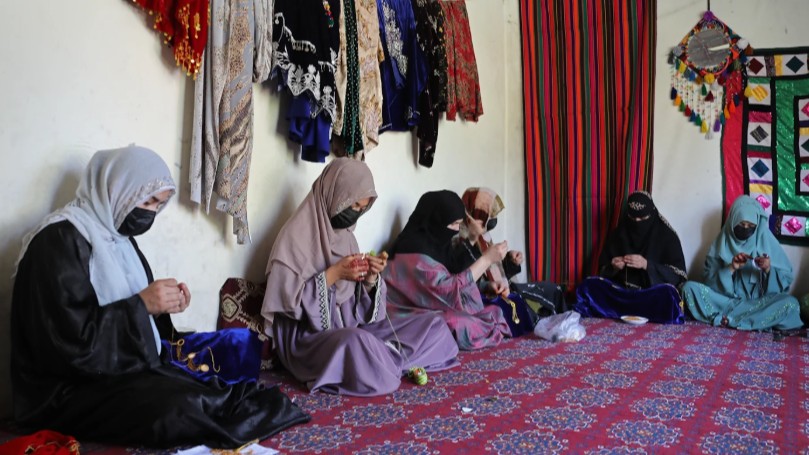
The report further notes that Afghanistan continues to
experience its sixth consecutive year of drought-like conditions, worsening
food insecurity and rural livelihoods.
OCHA says the combination of conflict, climate shocks and
economic vulnerability has left millions in urgent need of assistance. It calls
for sustained funding, improved humanitarian access and stronger protection of
civilians to prevent further deterioration of conditions across the country.