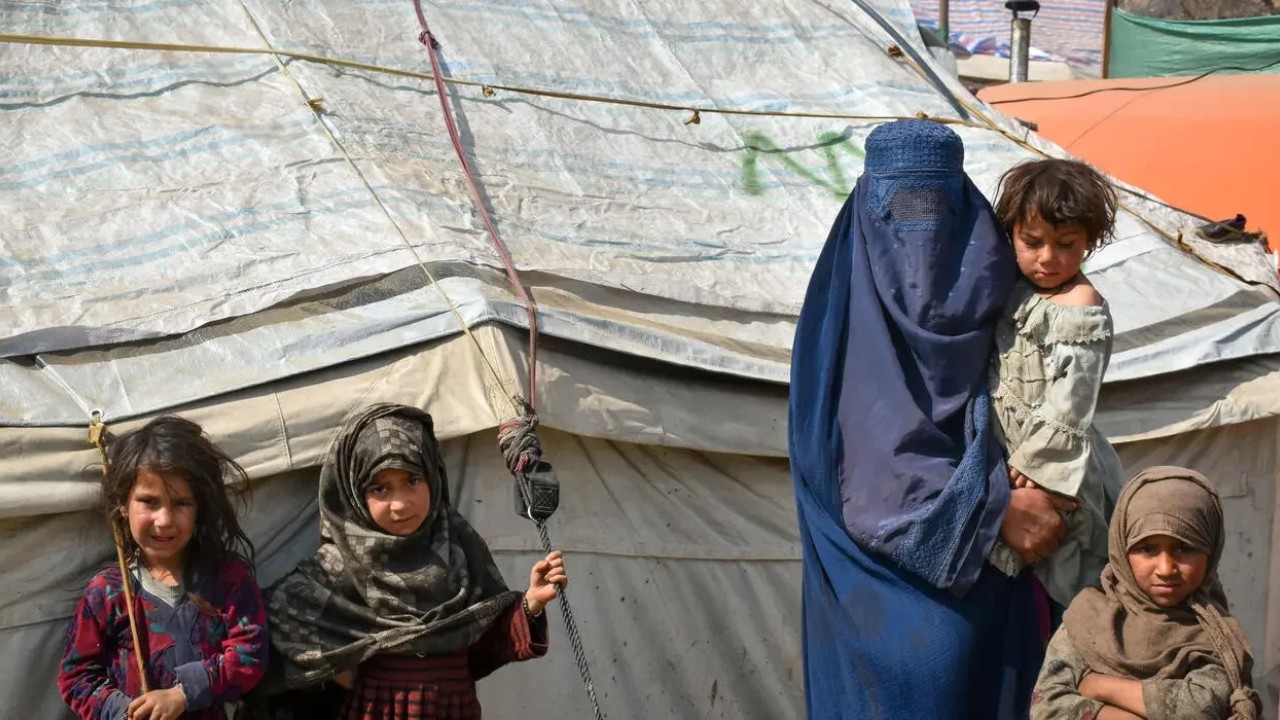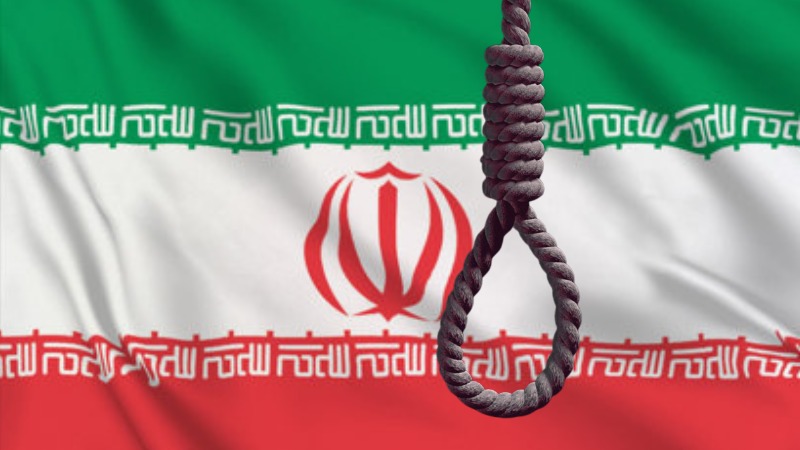
The Kabul Tribune (KT) — At least 58 Afghans are among more than 1,000 people executed in Iran in less than nine months of 2025, U.N. experts said Tuesday, warning of a dramatic surge that they called a grave violation of international human rights law.
The independent experts said the scale of executions was
“staggering,” with an average of more than nine hangings per day in recent
weeks. “Iran appears to be conducting executions at an industrial scale that
defies all accepted standards of human rights protection,” they said.
The U.N. figures, covering the period since Jan. 1, 2025,
documented 1,000 executions but noted the true number is likely higher due to
Iran’s lack of transparency. Among those killed were 57 Afghan men and one
Afghan woman.
Most executions were carried out for drug-related offenses
and murder, followed by security charges and rape. The experts expressed alarm
that at least 499 people had been executed for drug crimes in less than nine
months, compared to an average of just 24 to 30 per year between 2018 and 2020.
They said the rise marked a reversal of progress under a
2017 amendment to Iran’s drug law that initially reduced the scope of the death
penalty. International law restricts capital punishment to the “most serious
crimes,” interpreted as intentional murder, the experts said, stressing that
drug crimes do not meet that threshold.
The U.N. experts also reported 10 executions on espionage
charges this year, eight of them after June 13 following Israeli military
action. A new Iranian bill has expanded the definition of espionage to include
contact with foreign and diaspora media outlets.
Executions, they added, disproportionately affect
marginalized communities, often resulting in confiscation of family homes and
farmland. Most cases are handled in Revolutionary Courts behind closed doors,
with few official announcements.
The experts urged Tehran to impose an immediate moratorium
on executions, publish data on death sentences, comply with fair trial
standards and move toward full abolition of the death penalty.
“With further amendments to the 2017 Law on Combating
Illicit Drugs under review, Iranian authorities have a critical opportunity to
reverse this alarming trend,” they said. “The international community cannot
remain silent in the face of such systematic violations of the right to life.
States must take concrete diplomatic action to pressure Iran to halt this
execution spree.”