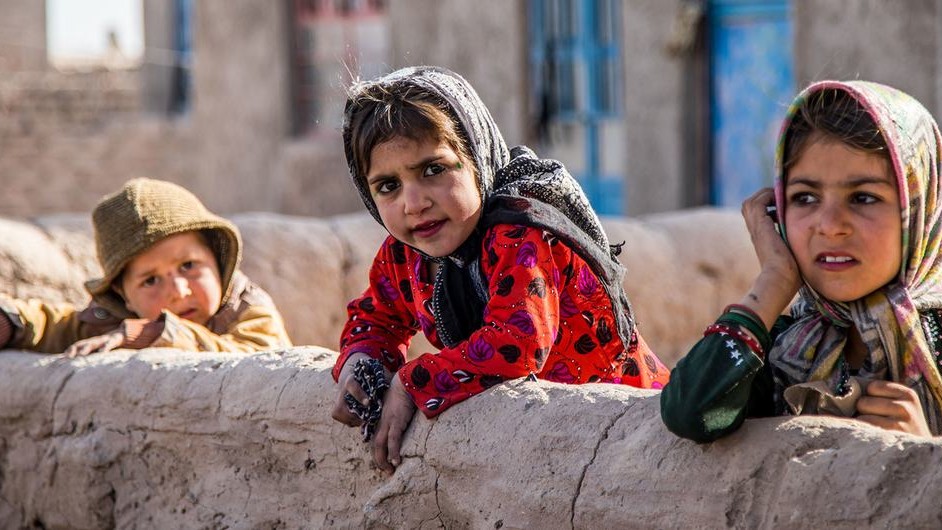
The Kabul Tribune (KT) — The United Nations says Afghanistan’s humanitarian and economic crisis is worsening, with millions facing deepening poverty due to mass population returns, prolonged drought and declining international assistance.
According to a new report by the United Nations Development
Programme, an estimated 28 million people were living in poverty in Afghanistan
in 2025. The situation has been compounded by the return of approximately 2.9
million Afghans during the year, pushing an additional 1.4 million people into
hardship.
The report, titled Afghanistan Socioeconomic Review, notes
that while the country recorded a second consecutive year of economic growth,
real GDP expanded by only 1.9 percent in 2025, down from 2.3 percent in 2024.
With population growth reaching 6.5 percent, real GDP per capita declined by an
estimated 2.1 percent.
Millions of families continue to struggle to access basic
necessities, including food, water, healthcare and housing. More than 80
percent of households are in debt, while nearly three-quarters rely on negative
coping mechanisms to survive.
“Taking stock of Afghanistan’s socioeconomic reality, this
year’s report reveals a country under growing strain,” said Kanni Wignaraja.
The scale of returns has further intensified pressure on
already vulnerable communities. Since 2023, nearly five million Afghans have
returned to the country. According to UNDP, 92 percent of recent returnees
reported being unable to secure basic necessities, compared with 74 percent
nationwide.
In provinces hosting the largest numbers of returnees, only
3 percent of people have formal employment, while 78 percent depend on casual
daily labor.
The report also highlights worsening climate conditions.
Drought affected 64 percent of the country in 2025, while access to safe
drinking water dropped sharply to 44 percent, down from 59 percent in 2024.
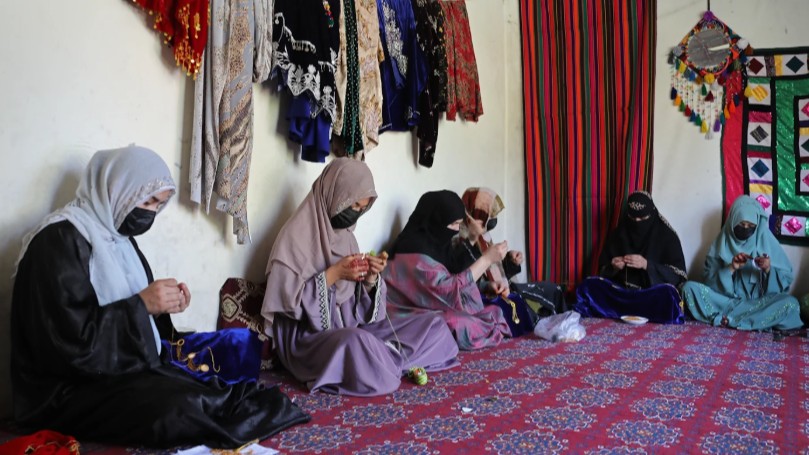
At the same time, ongoing restrictions imposed by the
Taliban on women and girls continue to undermine economic activity. Nearly 100
decrees issued since 2021 remain in effect, limiting women’s access to
education, employment and freedom of movement.
Afghanistan’s trade deficit widened to a record $11.3
billion in 2025, equivalent to about 60 percent of nominal GDP, driven by
rising imports and stagnant exports.
Declining international aid has further aggravated the
crisis. Total assistance fell by 16.5 percent in 2025, despite increasing
humanitarian needs. More than 440 health clinics were forced to close or scale
back services due to funding shortages, raising the share of people without
access to healthcare from 16 percent in 2024 to 23 percent in 2025.
“Across Afghanistan, communities need more than short-term
relief. They need a pathway to progress,” said Stephen Rodriques.
He added that investing in jobs, public services and local
markets would be essential to help households recover and rebuild their lives.